
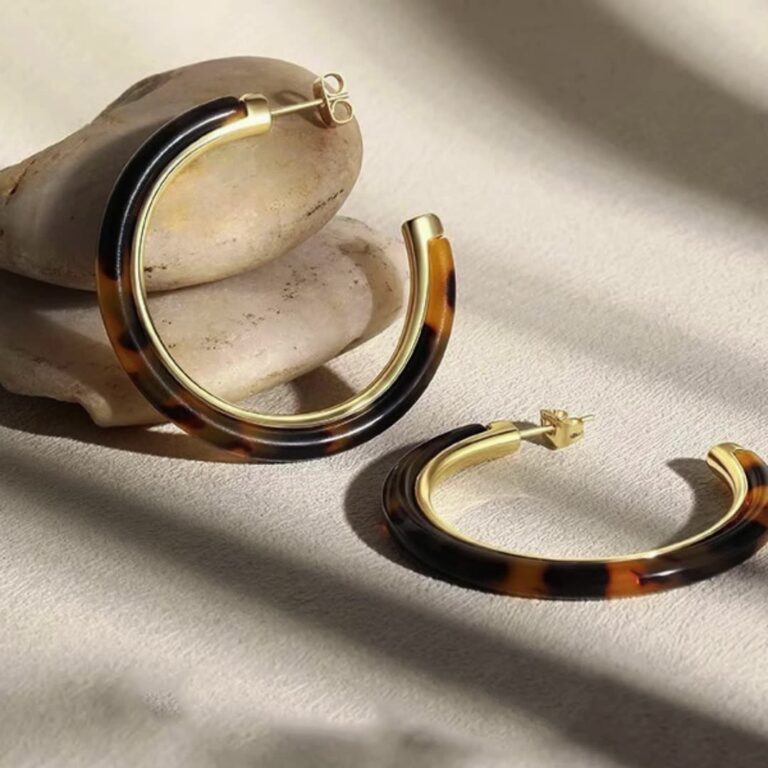
Breaking the Mold: How Silver Casting Transforms Jewelry Making
It’s a sunny afternoon in a bustling workshop. Jewelers meticulously craft stunning pieces, each glinting in the light. But behind the sparkle, there’s an underlying question—how has technology transformed such an age-old practice? Jewelry casting has evolved, and at its core, silver casting plays a pivotal role. Yet, even as we appreciate the art, we ponder: are we fully leveraging new advances? Let’s delve into the exciting evolution of this craft and uncover the potential that modern techniques can bring. From here, we embark on a deeper exploration into silver casting’s unique elements.
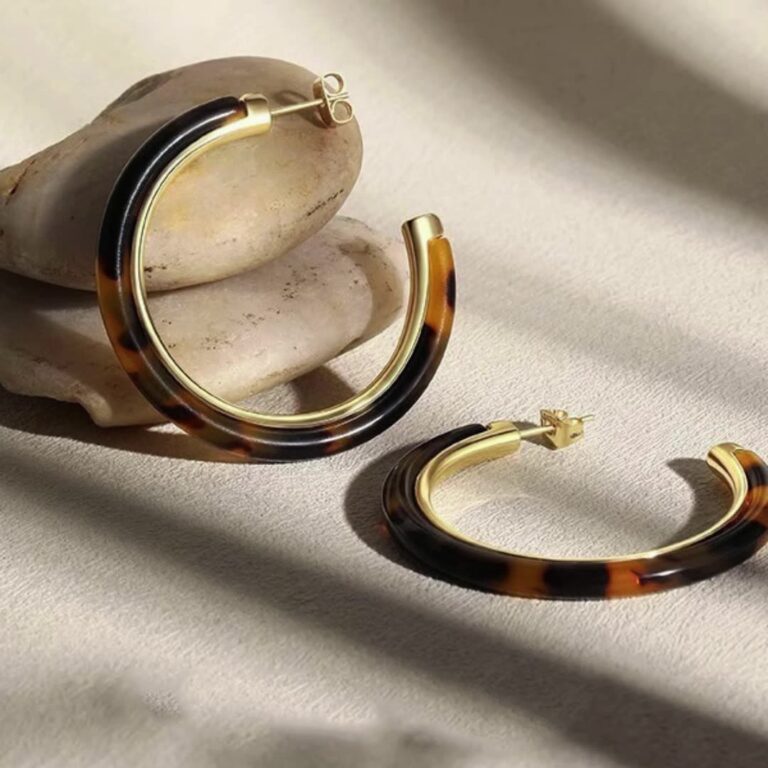
The Flaws of Traditional Silver Casting Methods
When we dissect the intricacies of silver casting, it’s like unpeeling an onion—each layer revealing more complexity. Traditional methods have long been the cornerstone of the craft, yet they carry flaws that can hinder artistry and efficiency. Historically, inaccuracies in temperature control and the reliance on manual skill have led to inconsistencies. With terms like “shrinkage porosity” and “surface defects,” it’s evident the older ways had their drawbacks (and let’s be honest, who loves unpredictability in an art form?). These issues often result in longer production times and higher costs. Predominant users often found themselves operating under pressure—funny how that works, right? But there is light at the end of the metal tunnel, and the next evolution promises added precision and reduced strain.
The challenges faced in this domain prompt us to explore revolutionary solutions that address these hidden pain points.
New Paradigms in Silver Casting: A Future Outlook
What’s Next?
Looking to the future, silver casting is set to embrace new technological principles, repositioning itself as a beacon of innovation within the jewelry sphere. Technologies like computer-aided design (CAD) and computer numerical control (CNC) machines have introduced precision-based solutions that eliminate much of the guesswork previously associated with crafting exquisite pieces. When you think about it, the leap from traditional bench jeweler tools to these digital marvels signifies not just an advancement, but a total reinvention of the craft. It’s a pivotal moment, reshaping the industry’s foundations.
For instance, by integrating 3D printing into silver casting, jewelers can now create prototypes with remarkable accuracy—a paradigm shift that’s both exciting and daunting. Looking forward, we expect even more sophisticated machinery to take center stage, pushing the boundaries of what can be achieved, much like how we’ve seen in other sectors such as automotive or aerospace.
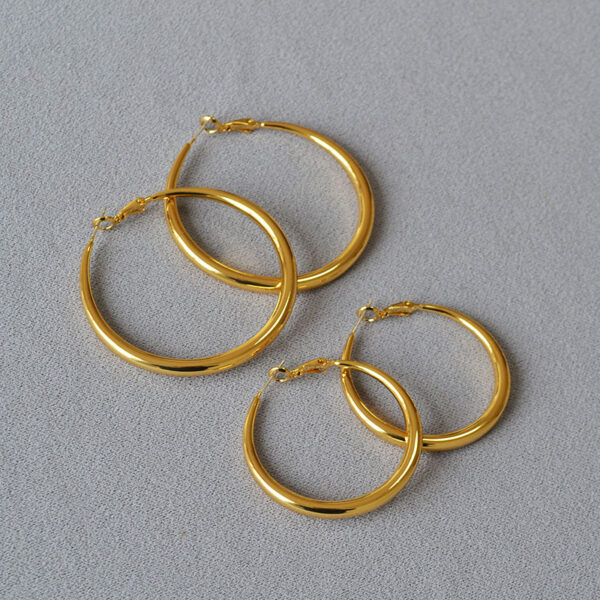
In wrapping up, the modern landscape of jewelry casting invites both awe and introspection. From overcoming traditional challenges to embracing high-tech solutions, the journey of silver casting mirrors the evolution of artistry itself. Perhaps this evolution teaches us that innovation is as much about retaining craftsmanship’s heart as it is about welcoming new tools. So when choosing pathways forward, consider these measures: design fidelity, production efficiency, and material integrity. It’s a vibrant road ahead for those willing to explore. If you’re interested in diving deeper into the world of metal casting innovations, check out Star Harvest. It’s a world where tradition meets technology, and potential is cast anew.