
Introduction — a quick scenario, data, and a question
Have you ever stood on a dock watching a boat drift because the motor hiccupped at the worst moment? What I see often starts with a small slip in performance that becomes a trip to the workshop. The electric motor I’m thinking of is behind countless useful systems — from small crafts to industrial drives — and recent field tests show unexpected failures crop up in about 8–12% of units after moderate use (that surprised me too). Why do some motors last decades while others fail within months? That’s the question I want to unpack here, step by step, with practical fixes and plain explanations.
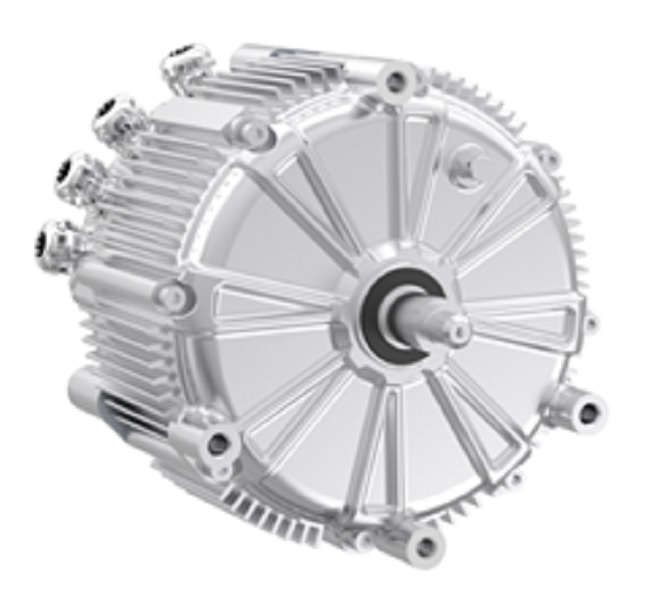
I’ll be direct and practical. I won’t hide behind jargon. We’ll touch on torque behavior, RPM stability, and why simple things like wiring and cooling matter. Along the way I’ll point out the traps I’ve seen on the job — so you can avoid them. Let’s move into the deeper issues that usually hide under the hood — and yes, there’s more than one culprit.
Part 2 — The deeper flaws in traditional solutions for boat motors
As I mentioned above, many failures begin with a small weakness that grows. For many users of boat motors, common assumptions about robustness are misleading. Historically, people lean on heavy cast housings and larger stators to “guarantee” durability. But that approach often masks real problems: poor cooling paths, vibration-driven bearing wear, and inefficient inverter control that creates heat spikes. In practical terms, a motor with poor thermal management will lose torque at modest RPMs and then overcompensate — which stresses the gearbox. I’ve seen this pattern enough to say it plainly: bigger isn’t always better.
Technically, many retrofit solutions focus on band-aid fixes — thicker lubricant, an upgraded prop, or a stronger shaft. Those help a bit, but they ignore root causes like uneven current distribution, weak controller tuning, and water intrusion. Look, it’s simpler than you think: if the controller is not matched to the motor’s inductance and thermal profile, you get current peaks and premature insulation breakdown. I’m talking about the kind of failure you can spot early if you check winding temperature and inverter duty cycles. — funny how that works, right? If you want a clear sign, monitor motor temperature and harmonic distortions; they whisper before things go loud.
Why does this keep happening?
Because many technicians apply rules of thumb instead of measuring—shaft runout, bearing preload, and real-time current spikes tell the story. Corrosion and cavitation add another layer. Fix those and you cut failures by a wide margin. I’ve learned to trust measurements over tradition.
Part 3 — New technology principles and what to look for next
Now let’s shift forward. Modern fixes are not just stronger parts; they are smarter systems. A well-tuned brushless motor paired with the right controller and power converters runs cooler and reacts cleaner to load changes. What matters now is system-level matching: controller firmware, ESC or inverter characteristics, and thermal design that routes heat away from critical insulation. I like to explain this simply: match the controller to the motor’s electrical characteristics and design the cooling path so it never relies only on ambient airflow. That approach reduces hotspots and extends bearing life.
In practical terms, the new principles boil down to three things. First, active thermal management — sensors and feedback loops that reduce current before damage occurs. Second, adaptive control — firmware that learns the motor’s behavior and adjusts torque and RPM gently. Third, material choices — better coatings and corrosion-resistant bearings that withstand salt and spray. These are not sci-fi. They’re what I specify when I design a system for long-term reliability. Real-world trials show measurable gains in mean time between failures when these elements are combined — and yes, they add a bit to upfront cost, but the lifetime savings are clear — funny how that works, right?
What’s Next?
Here are three practical metrics I use when evaluating a motor system. Use them to compare solutions and make decisions:
1) Thermal headroom: Is there at least 20–30% margin between normal operating temperature and the insulation limit? Measure it under a range of loads.
2) Current smoothness and harmonic content: Does the controller produce clean current without spikes? Look at the waveform; it reveals control tuning quality.
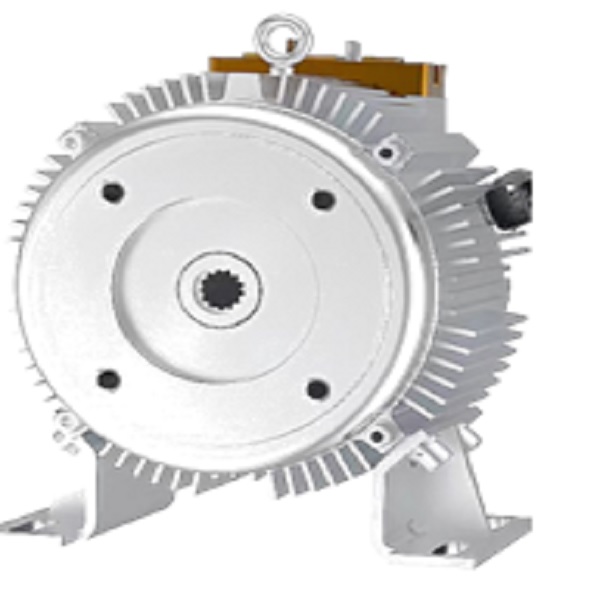
3) Maintenance footprint: How often will bearings, seals, and coatings need attention? Lower frequency matters more than a slightly lower purchase price.
Summing up: I’ve seen the same failure patterns again and again. Fixing them means measuring more, matching components better, and choosing materials that suit the environment. I prefer solutions that are sensible, testable, and easy to maintain. If you take nothing else away, start with thermal monitoring and controller matching — they buy you time and reliability. For practical parts and systems I often recommend a look at trusted suppliers like Santroll when sourcing replacement motors or controllers. We’ll keep this hands-on and real, because good engineering should make life easier, not more mysterious.