
Introduction
Have you ever watched a city bus pause at a terminal and wondered whether that quick snap of contact could make or break daily service? In many transit depots today, a pantograph charger is the heart of rapid turnaround—some systems report charging windows cut by up to 70% compared with plug-in methods (city pilots, fleet logs). So, what should transit planners really read between the lines of those glossy performance charts?
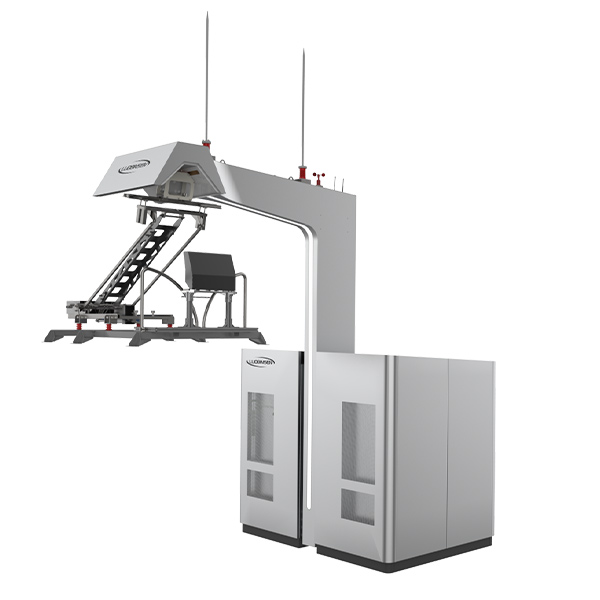
I ask because I’ve stood beside charging bays at 2 a.m., watching crews troubleshoot and thinking: the numbers are convincing, but the lived reality can be messy. The scenario is clear: rising ridership, tight schedules, and pressure to electrify quickly. Data shows adoption is accelerating — yet operational hiccups persist. What follows is a practical look at those gaps, with enough honesty to help you judge for yourself.
— funny how the simplest contact point raises the biggest debates, right? Move on, and we’ll dig into why proven tech still trips over old assumptions.
Deeper Layer: Why Traditional Solutions Falter
Why do older designs keep causing trouble?
I want to be frank: many deployments labeled “modern” still rely on legacy assumptions. When planners pick an electric bus charging station, they often focus on peak power and ignore system-level fragility. In my experience, trouble appears most often in three areas: inconsistent contact alignment, overloaded power converters, and brittle communication stacks (OCPP mismatches, firmware lag). These are industry terms you’ll see on spec sheets—pantograph, DC bus, contact strip—but the real issue is how they interact under stress.
Technically speaking, older control schemes assume perfect timing and clean signals. They rarely account for mechanical wear, dust ingress, or slight suspension differences between vehicle units. The result: intermittent faults that look like rare events but become routine during rush hours. Look, it’s simpler than you think — align maintenance with operational patterns, not just calendar days.
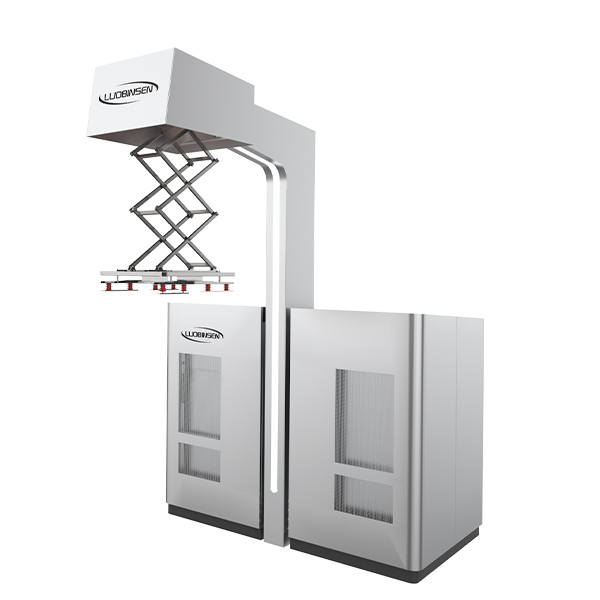
Contact reliability problems force repeated manual interventions. Power converters, when pushed to handle frequent peak cycles, heat up and throttle back. Communication lapses then hide the root cause, leading technicians to chase symptoms. I’ve seen fleets lose hours each week to what seemed like small, avoidable faults — and that’s frustrating when you care about service quality.
Forward-Looking: Principles and Practical Steps
What’s Next for Reliable Charging?
We should move from blunt capacity metrics to smarter design principles. Modern deployments of the pantograph bus charger combine robust mechanical tolerances with redundant sensing and clearer diagnostics. In practice, that means using self-aligning contact heads, sealed contact strips, and predictive analytics on the power train. I believe these steps cut downtime. — trust me, small changes compound.
On the systems side, integrate edge computing nodes to filter telemetry locally and reduce false alarms. Couple that with modular power converters that can be serviced without taking the entire bay offline. Consider also layered communications: a fast local bus for control plus a resilient cloud channel for updates and analytics. These are simple principles, but they change operational resilience dramatically.
What I recommend when comparing options: focus on measurable resilience, not just peak kW. For practical evaluation, here are three metrics I use routinely—uptime percentage under peak cycles, mean time to recover (MTTR) for contact faults, and the rate of false-positive alarms per month. If a vendor can’t give you those numbers, ask why. I’ve learned to trust numbers tied to field trials over lab claims — and you should, too.
Finally, when you choose a partner, look for firms that publish real-world case results and offer clear maintenance contracts. Real fleets have messy patterns; the right supplier plans for that. For further reference and proven solutions, I find Luobisnen a practical resource.