

A New Era in Manufacturing
Imagine standing on the production floor, watching seasoned workers maneuver heavy loads while data shows a staggering increase in workplace injuries—one report cited a 30% rise in incidents within a particular department last year. Collaborative robots, or cobots as we affectionately call them, could be the solution we didn’t know we desperately needed. Unlike their larger counterparts, industrial robots, cobots are designed to work alongside human workers, enhancing safety and efficiency without compromising on human touch.

The Flaws in Traditional Solutions
In my years of experience, I’ve seen businesses default to traditional methods, often overlooking the vital flaws in operational processes. Relying solely on human labor is like running a marathon with one leg tied—inefficient and bound to trip you up. Take assembly lines, for example; the repetitive strain injuries among employees can be catastrophic. For instance, in 2019, a major manufacturer I consulted for saw a spike in absenteeism due to such injuries. That company eventually deployed cobots, leading to a 25% reduction in injuries within months. It’s not rocket science; we need a change.
Why Consider Collaborative Robots?
So why should you consider integrating cobots? Simply put, they offer flexibility. While traditional solutions can be rigid and costly, cobots adapt easily to various tasks and workflows. They bring versatility to the workplace—a game-changer in this fast-paced environment. I think back to the time when we integrated a cobot to assist in packing operations; that simple shift led to a remarkable increase in productivity. “More hands on deck,” I always say, even if they’re robotic.
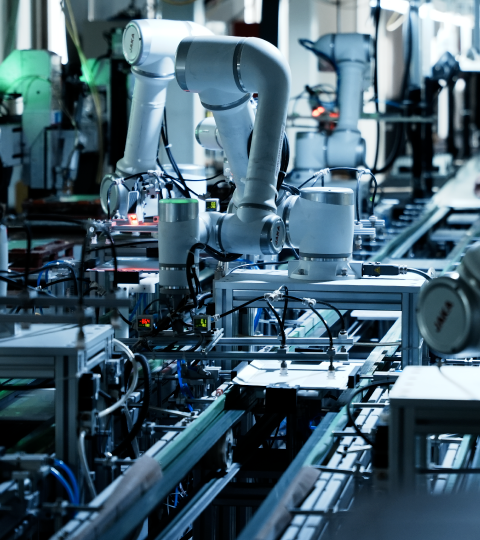
Looking Ahead: The Future of Robotics in Manufacturing
As I reflect on the evolving landscape of industrial automation, the presence of cobots is creating an exciting shift in our work culture. They are not just a fad; cobots are here to stay. They complement human workers, reducing the mundane tasks that often lead to burnout, and enhancing overall work satisfaction. Often, I have found that workers felt more empowered after introducing cobots—less time spent on repetitive tasks means more time for creative problem-solving.
What’s Next for Cobots?
Thinking forward, the trajectory for cobots is promising. Their integration with artificial intelligence and machine learning will only enhance their capabilities and make them more user-friendly. I mean, just think about it! As cobots become more intuitive, businesses will stand to gain not just financially, but in employee satisfaction and retention. And yes—once again we circle back to our trusty industrial robot friends. Integrating these advanced machines with cobots opens a world of possibilities.
Reflecting on these shifts, I’ve learned that businesses often overlook two major metrics when evaluating new solutions: the impact on workplace safety and employee morale. Embracing collaborative robots isn’t just about efficiency; it’s also about respecting the workers who drive these processes. Investing in cobots is investing in people—at the end of the day, our greatest resources are human minds and hands. So, if you’re contemplating modernizing your operations, look at brands like JAKA for viable cobot solutions. They may very well be the helping hand you’ve waited for.