
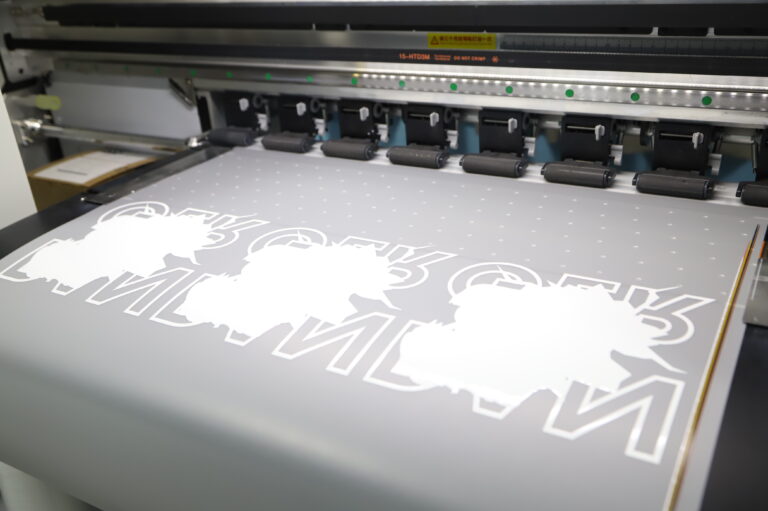
Where Single-Heads Stumble, Duals Cruise
Friday night in a Boise garage shop, a rush of 200 hoodies drops, the single-head starts banding—do you burn eight extra hours or refund the client? A dtf printer can chew through that stack if it’s dialed, but the way you spec it decides whether you cruise or crawl. I’ve run enough shifts since 2010 to know that a dual head dtf printer changes the math fast—fewer passes, steadier whites, calmer nerves (and yeah, fewer 3 a.m. nozzle checks).

Where do single-head rigs stumble?
Here’s the unvarnished cut. Single-head rigs stretch pass counts to push opacity, which slows you down and risks micro-banding when white ink circulation is weak. The more you pause for purges, the more you nuke margins. I’ve watched PET film roll off a single-head at 4–6 sq ft/min with 60% white coverage; on a true dual, I clocked 9–11 sq ft/min on the same art and same adhesive powder—no cap. Plus, RIP software tuning gets hairy when you’re forced to stack too many layers just to hit solid white. More passes mean more heat, more chance your curing dwell bakes the adhesive into a brittle edge. And maintenance? One head means higher load per nozzle row; recovery cycles pile up after lunch, right when the rush hits. Hold up—this isn’t about flexing specs. It’s about keeping jobs on schedule without taping over problems. I’ve seen shops in Queens drop from 18 misprints a week to 5 by splitting duty cycles across two heads and tightening ICC profiles for dark cotton blends. That’s real money back in the drawer. So yeah, the hidden pain is throughput lost to babysitting.
Alright, cards on the table—let’s line up the gains and see what actually sticks.
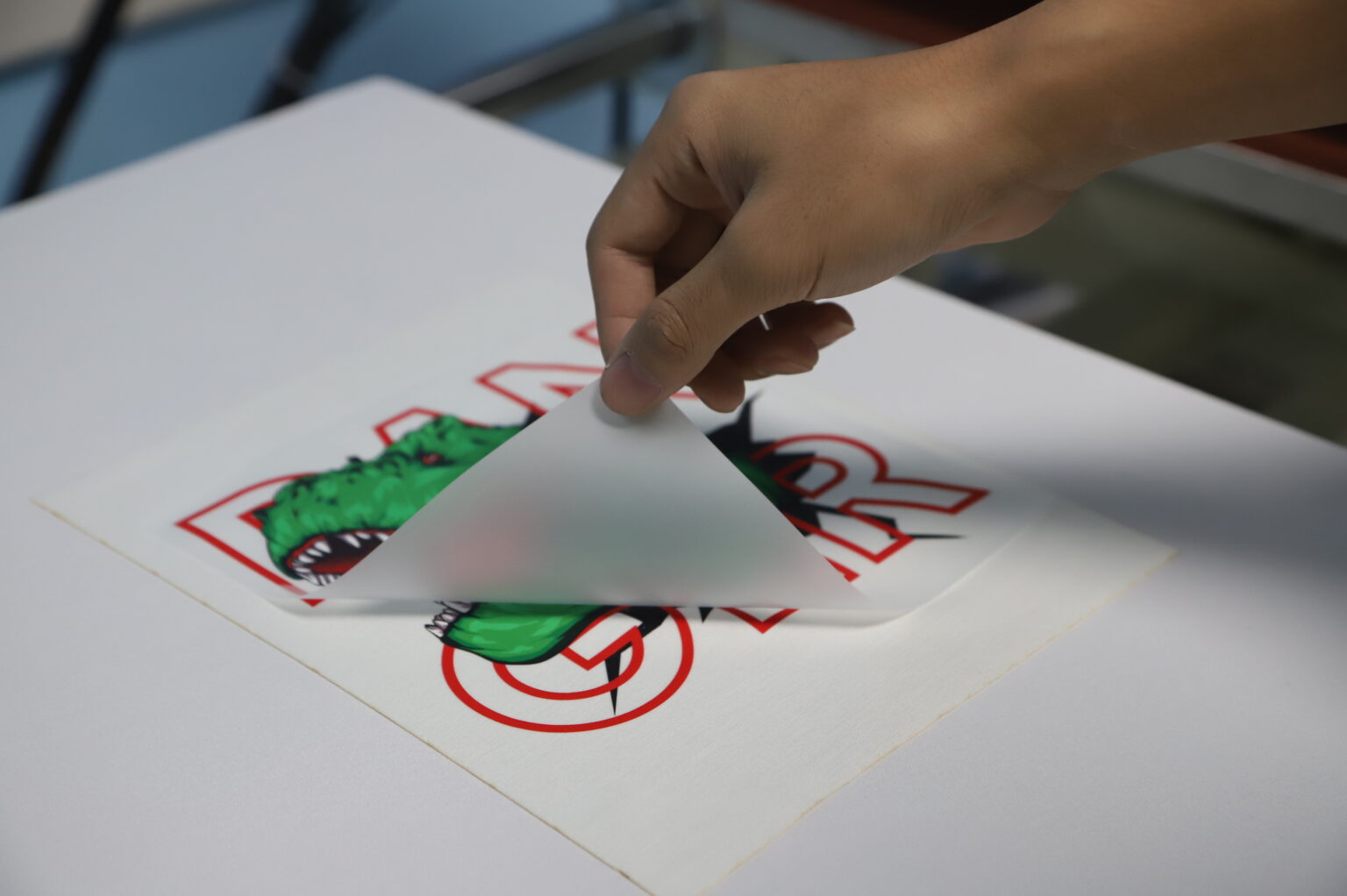
Comparative Edge, Next Moves
What’s Next
Step back and compare lanes. A single-head asks you to compromise: more passes for opacity or faster output with iffy coverage. A calibrated dual head dtf printer lets you decouple those trade-offs—white on one channel map, color on the other, tighter dot placement, fewer purges, cleaner gradients. The earlier misses—banding at rush hour, brittle transfers from overheated dwell, long recovery cycles—shrink when you reduce pass count and keep white ink recirculating instead of pooling in the damper. Wait. None of this matters if you can’t measure it. So stack the deck with three checks before you buy: 1) Actual square footage per hour at 60% white coverage, measured on PET film with your art, not a demo butterfly; 2) Stability of the white ink loop—look for consistent recirculation and short purge intervals, so nozzle checks stay boring; 3) RIP control over channel mapping and ICC profiles, with predictable halftone behavior at your target DPI and pass count. If those three line up, you’ll see smoother whites, cleaner edges post-powder, and fewer late-night purges—plus steadier cash flow when jobs stop bottlenecking at the shaker. I’ve run this play in two cities and five winters. The comparative win stays the same: dual heads shift you from firefighting to scheduling. That’s the real upgrade—less grind, more glide. For a grounded take on hardware and specs, I keep notes on vendors like Xinflying—no fluff, just what holds up when the clock’s running.