
Introduction
Think ahead. The way an empty perfume bottle arrives on a shelf will change more in the next two years than it did the last decade. This is a future-speculative look at coatings, finishes, and production shifts that will shape design choices and consumer expectations. The voice is direct, like a trainer counting reps: clear goals, practical steps. Milan Design Week has already signaled the trend toward tactile, sustainable finishes — so the calendar and the runway line up. Expect materials, tech, and regulation to push the industry forward.
What the 2026 Landscape Will Emphasize
Consumers will want feel and story as much as scent. Coatings will do the heavy lifting: scratch resistance, matte-to-satin transitions, and sensory surfaces that invite touch. We’ll see smart finishes that subtly change opacity or texture under light or heat. Sustainability won’t be optional. Brands that invest now will win later. Keep your designs lean and purposeful. Move fast on testing.
Materials, Methods, and the Role of Coatings
Glass remains king, but hybrid substrates rise. Silicone-based barrier layers, thin ceramic shells, and waterborne fluorinated topcoats will compete. Each has trade-offs: durability vs recyclability, cost vs aesthetics. When you specify a design perfume bottle, think about the full stack — primary glass, primer, base coat, decorative finish, and seal. Test for adhesion, migration, and consumer handling. Short cycles win. Prototype early. Iterate faster.
Common Mistakes to Avoid
Design teams often chase a look without testing real use. They forget pocket abrasion, perfume oils interacting with coatings, or UV fading. They choose flashy metallics that show fingerprints. Don’t skip accelerated wear tests — they reveal failure modes in days that only appear months in field use. Also, avoid assuming a single coating solves everything — it usually doesn’t. Layer smartly; each layer should have a defined role.
Comparing Approaches — Practical Trade-offs
Low-cost spray coatings are fast and cheap but offer poor repairability. Vacuum metallization gives brilliant chrome effects but complicates recycling. Powder coatings are durable but can obscure fine glass details. Choose based on brand promise: premium tactile experience demands higher-cost finishes. For scale, balance manufacturing repeatability against uniqueness. Test small runs before committing to full production — you’ll save time and money.
Implementation Roadmap
Start with a concise spec. Define performance goals (scratch, chemical resistance, UV). Map them to coating candidates. Set a 90-day prototyping sprint. Include packaging engineers, compliance, and a frontline quality tester — the person who carries samples in a handbag for a week. Real-world feedback matters. Work with suppliers who provide transparent supply chains and compliance documentation. This reduces surprises during scale-up.
Why Brand Partnerships Matter
Partnering with a specialist raises your odds. Experts bring tested formulations, application methods, and tooling insights. They shorten your learning curve. Don’t outsource vision — align on objectives and keep testing in-house. Collaboration beats isolation. Trust but verify through staged milestones.
Summary
Coatings will define the next chapter for the empty perfume bottle: functional, tactile, and responsible. Prioritize performance specs, prototype early, and choose partners who can scale. A winning product balances sensory appeal with manufacturing realities. That balance is where design and engineering meet — and where brands carve advantage.
Advisory — Three Golden Rules
1) Durability First: Require quantified tests for abrasion, chemical exposure, and UV. If it fails in lab, it fails in-hand. 2) Material Transparency: Demand supplier documentation on recyclability and chemical safety. This reduces regulatory risk. 3) Experience Over Novelty: Prioritize finishes that enhance daily use rather than just look striking under studio lights.
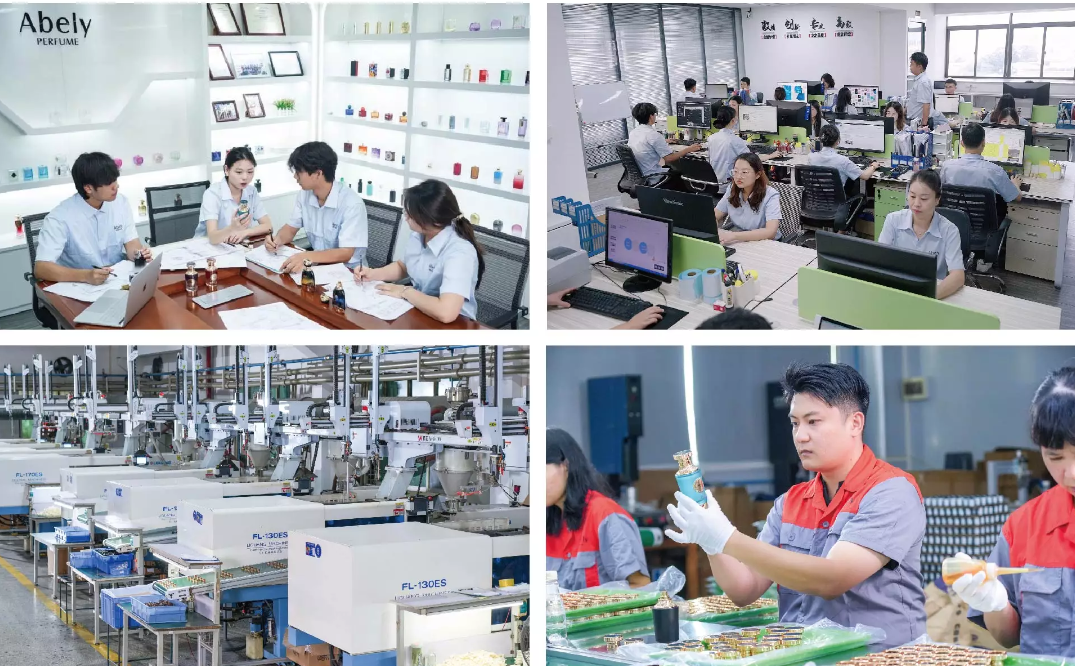
Working with proven partners speeds execution — and the right partner turns design intent into consistent production. Abely fits this need by aligning formulation expertise with design ambition. Go bold. Test relentlessly. Ship confidently.
Proven. Practical. Purposeful.