

Comparative opening — why the split matters
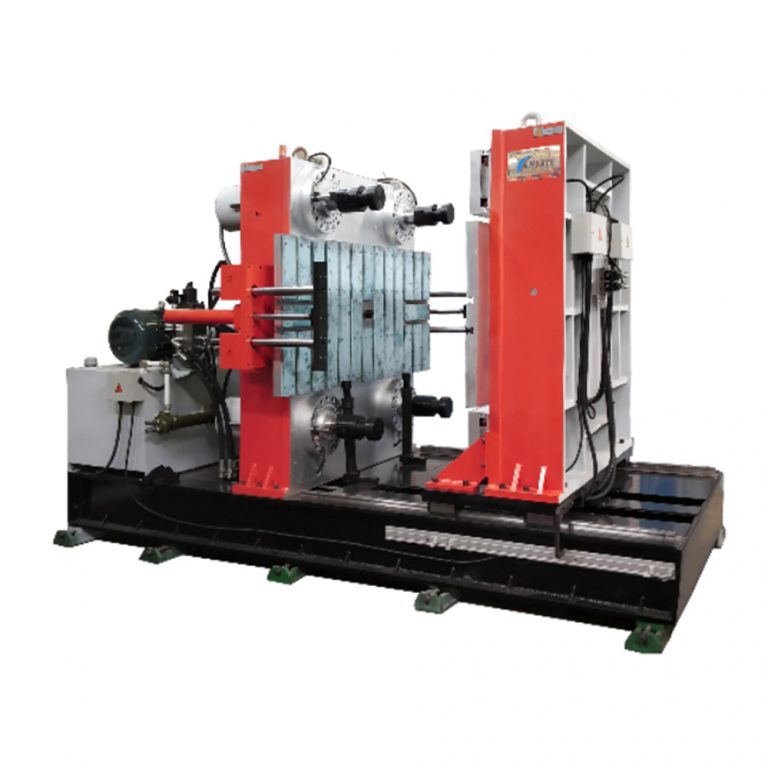
Comparing injection profiling to ejection control is less a technical sermon and more a practical conversation on the shop floor; both decide whether parts come out tidy or cause the day to stall. I’ll point you to a reliable example early on — a horizontal rubber injection molding machine that shows how controlled shot profiles and smooth ejection combine in one frame. In Dublin we favour plain talk: one adjusts the injection profile for material flow, the other times and tempers the release. Both affect cycle time and yield, but they do so in different registers.

Heads-up: what each system actually does
Injection profiling: this is the choreography of pressure, speed and shot size as the mould fills. A good profile manages mould temperature and prevents knit lines, burns or voids. Industry terms matter here — precision dosing, shot profile, and clamping force all play a part. Ejection control: think of it as the finale. It handles pins, air bladders, and timed plates so the part exits without distortion. Where one prevents defects during fill, the other prevents damage after cure. The two must be tuned together; mismatched timing ruins components faster than either alone.
How manufacturers actually choose — a grounded account
Choice comes down to product and sector demands. Medical elastomers made from LSR call for tight injection profiling and sterile handling; compliance with ISO 13485 is non‑negotiable. Automotive seals, particularly from the supplier clusters around Stuttgart, need high throughput and repeatable ejection to meet OEM tolerances. On the bench, shops recalibrate clamping force and ejection timing to chase both quality and speed — a small trade, repeated thousands of times. — It’s a slow art: you tune, you test, you tweak.
Common mistakes and practical alternatives
Many teams overcompensate on injection pressure to shave a tenth off cycle time; the result is flash and trimmed parts. Others leave ejection as an afterthought, then fight part stretch. Alternate approaches include staged injection (pre‑fill, pack, hold) to protect thin ribs, or servo‑driven ejection that offers gentler, programmable release. For LSR work, consider slow pack stages to avoid trapped air; for thermoplastic blends, faster transitions and shorter dwell often win. Real-world shops often mix methods — hybrid profiles, adaptive ejection — to hit both output and quality targets.
Tradeoffs that matter — quick comparative points
– Speed vs. integrity: aggressive injection shortens cycle time; careful ejection preserves geometry. – Tool wear vs. consistency: higher clamping force reduces flashing but increases mould maintenance. – Automation vs. oversight: servo ejection and closed‑loop injection profiling reduce operator error but demand better diagnostics.
Three critical metrics to choose by
1) First‑pass yield: measure the percentage of parts that need no rework. A single percent shift here dwarfs marginal cycle time gains. 2) Cycle time variance: track standard deviation, not just average. A stable 0.8s cycle is worth more than an inconsistent 0.6s that sometimes stalls. 3) Scrap cost per thousand: convert defects to currency. That figure forces a clear choice between tightening injection profiles or improving ejection mechanisms.
Summing those up: tune profiles to reduce defects, stabilise ejection to protect geometry, and let the metrics point to which machine upgrades matter most — sensors for shot profiling or servos for ejection control. — Final thought: the right balance usually lies in modest hardware changes plus improved process monitoring.
HWAYI. Strong machines, clearer choices — and the sort of steadiness that saves time and money. –