
Quiet problem statement
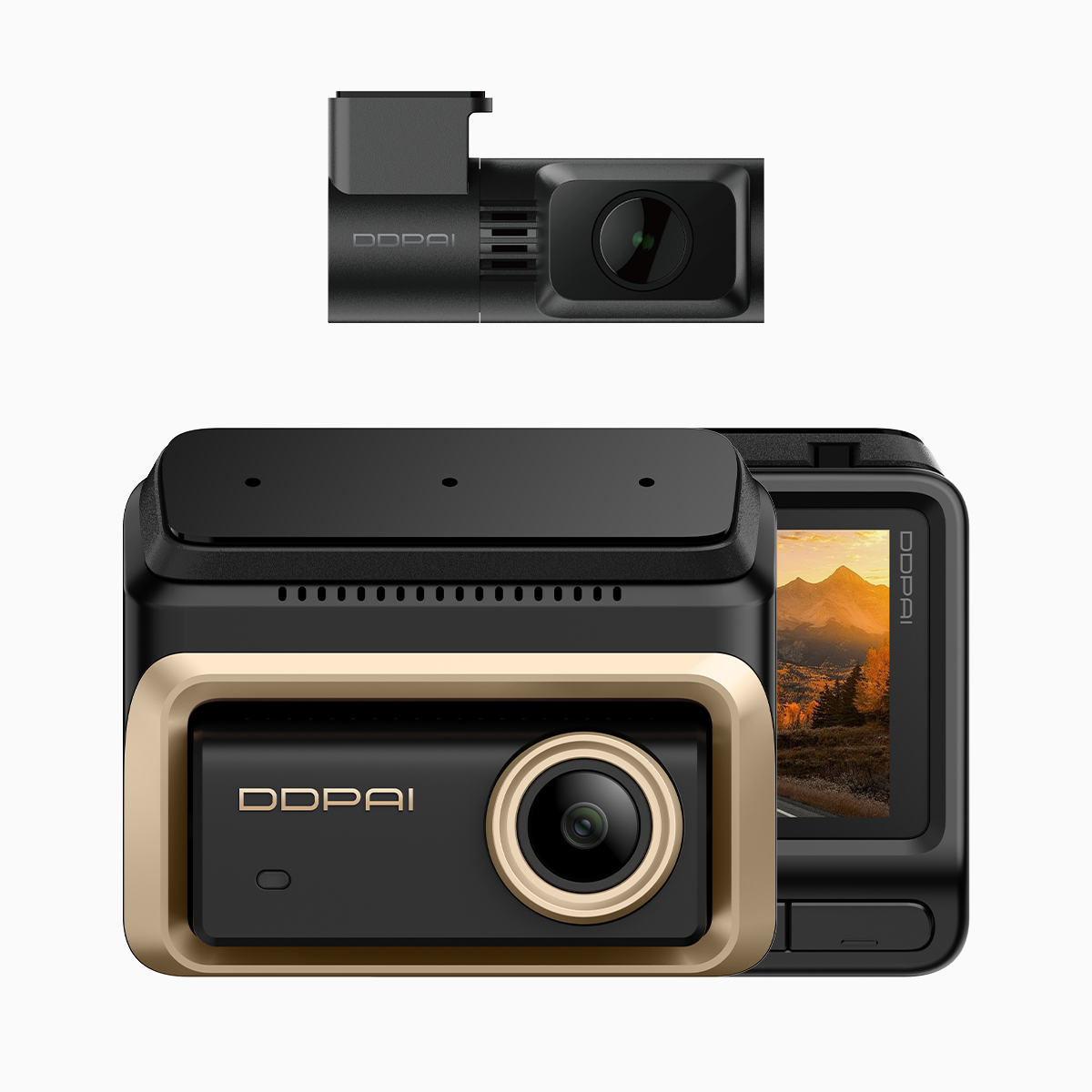
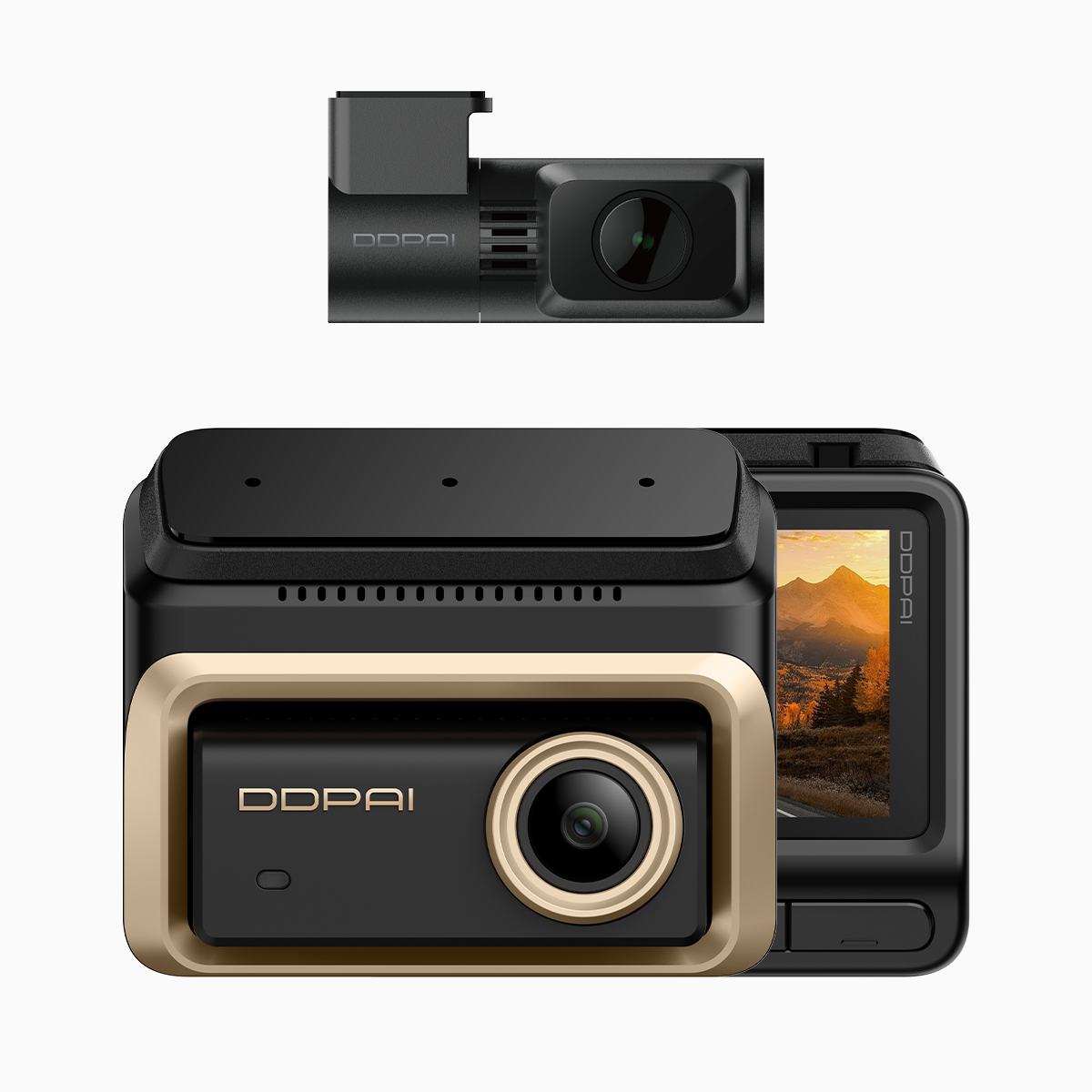
Driving out of a tunnel is a brief, sharp test: bright daylight punches into a dim tunnel scene and the camera either bleaches the sky or buries the interior in black. For drivers and fleet managers who rely on recording clarity, that mismatch matters. Modern solutions use Wide Dynamic Range—WDR—and multi-lens setups to reduce the trade-offs. I often start with a simple tool in mind: the 3 channel dash cam that blends a front, rear, and cabin perspective to capture context without losing detail.
The physics behind WDR
WDR is not magic. It’s about exposure stacking and intelligent gain control across different pixels and frames. A sensor will underexpose or overexpose when faced with extreme contrast, so WDR combines multiple exposures or applies per-pixel tone mapping to retain highlights and shadows. The result: readable license plates in glare, facial detail in shadow, and fewer blown-out skies. Industry terms that matter here: sensor, exposure, and dynamic range. The hardware and firmware determine how naturally the camera renders both ends of the light scale.
Why three channels help
A single lens can try to compromise. Triple-channel systems distribute responsibility. The front-facing camera prioritizes detail and higher frame rate for moving objects and plate capture; the rear covers collisions from behind; the cabin lens records occupants and immediate context. Together they raise the chance that at least one feed preserves crucial evidence when a scene flips from dark to bright. Frame rate and bitrate settings become practical levers—you tune them to favor motion clarity or storage efficiency, depending on priorities.

Real-world anchor: Metro Manila and everyday light shocks
In dense urban corridors like EDSA in Metro Manila, sudden transitions between underpasses and sunlit avenues are common and unforgiving on imaging. Fleet drivers and ride-share operators there report frequent footage loss at those exact moments, which is why triple-channel rigs are gaining traction in the Philippines. A focused setup—correct exposure bias for the front sensor, conservative gain for the cabin camera, and an adaptable WDR algorithm—fixes most of it without over-processing the image.
Common mistakes and how teams fix them
Teams often chase higher bitrate as a cure-all. That’s a mistake—more bitrate only preserves compressed detail; it can’t rescue a blown highlight. Another misstep is leaving all cameras at identical exposure profiles. Calibrate per channel. —Also, don’t ignore mounting angle: a slightly upward tilt on the front camera invites more glare. Practical changes: set the front lens to prioritize highlight retention, lower cabin gain, and keep rear exposure neutral. Field of view (FOV) choices matter too—wider isn’t always better if it adds distortion to plates or faces.
Alternatives and trade-offs
If triple-channel cost is a barrier, dual-channel systems still offer meaningful gains: front plus cabin or front plus rear. Software HDR on single-lens units has improved, but it can introduce motion artifacts when exposures are merged across frames. The true trade-offs are between hardware capability (sensor size, WDR implementation) and post-processing (noise reduction, compression). Choose what matches your most common incident profile—nighttime collisions require different tuning than midday tunnel exits.
How to choose: practical rules
Three golden rules for evaluation: 1) Prioritize sensor and WDR quality over raw megapixel claims—real-world exposure handling beats a larger file size. 2) Check per-channel configurability—being able to tune exposure, frame rate, and bitrate independently prevents single-point failure. 3) Confirm physical fit and tested mounting angles for your routes; a lab spec means little if glare hits the lens where you park. For buyers focused on local needs, a reliable option is the 3 channel dash cam philippines, which balances those points without excessive complexity.
Advisory close: three critical metrics
Measure these before you buy: WDR performance in real scenes (not just slides), per-channel exposure control, and sustained bitrate under motion. Expect measurable improvement in plate legibility and fewer unusable tunnel-exit clips when the system meets those metrics. Final thought—good hardware paired with sensible configuration saves time and stress. DDPAI Philippines sits naturally in that space as a partner for operators who need clear footage from the instant light changes. Solid results. —