
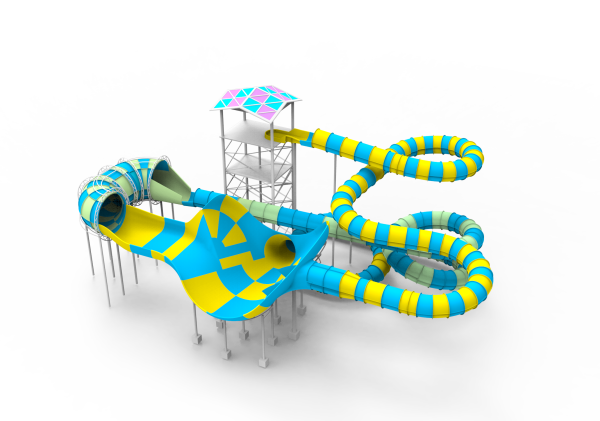
Comparative lead-in: why these ten matter
When you’re compare’n manufacturers, you need sharp, usable signs — not pretty brochures. Start by lookin’ at how a supplier handles basic build work like water slide construction and whether the big pieces — the large slide sections — line up with real-world needs. I saw that first-hand down in New Braunfels at Schlitterbahn, where engineers rebuilt a high-capacity slide after repeated load issues; that visit taught me what separates a solid design from wishful thinkin’. Fiberglass panels, gelcoat finish, and proper UV-stabilization are obvious pieces, but the benchmarks below show the practical differences y’all can count on.
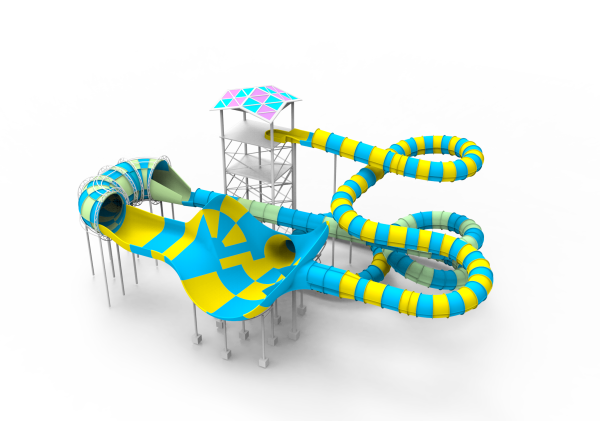
Benchmark 1 — Structural integrity and load-bearing design
Look for clear load ratings, redundant supports, and structural steel where needed. A pro system won’t rely on a single bracket; it’ll use a distributed support strategy and reinforced polymer where weight reduction matters without sacrificin’ strength.
Benchmark 2 — Manufacturing consistency and tolerances
Precision matters. Check quoted tolerances for slide joints, flange fittings, and seat intersections. Tight, repeatable tolerances mean parts mate cleanly on site, cuttin’ down install rework and water seepage problems.
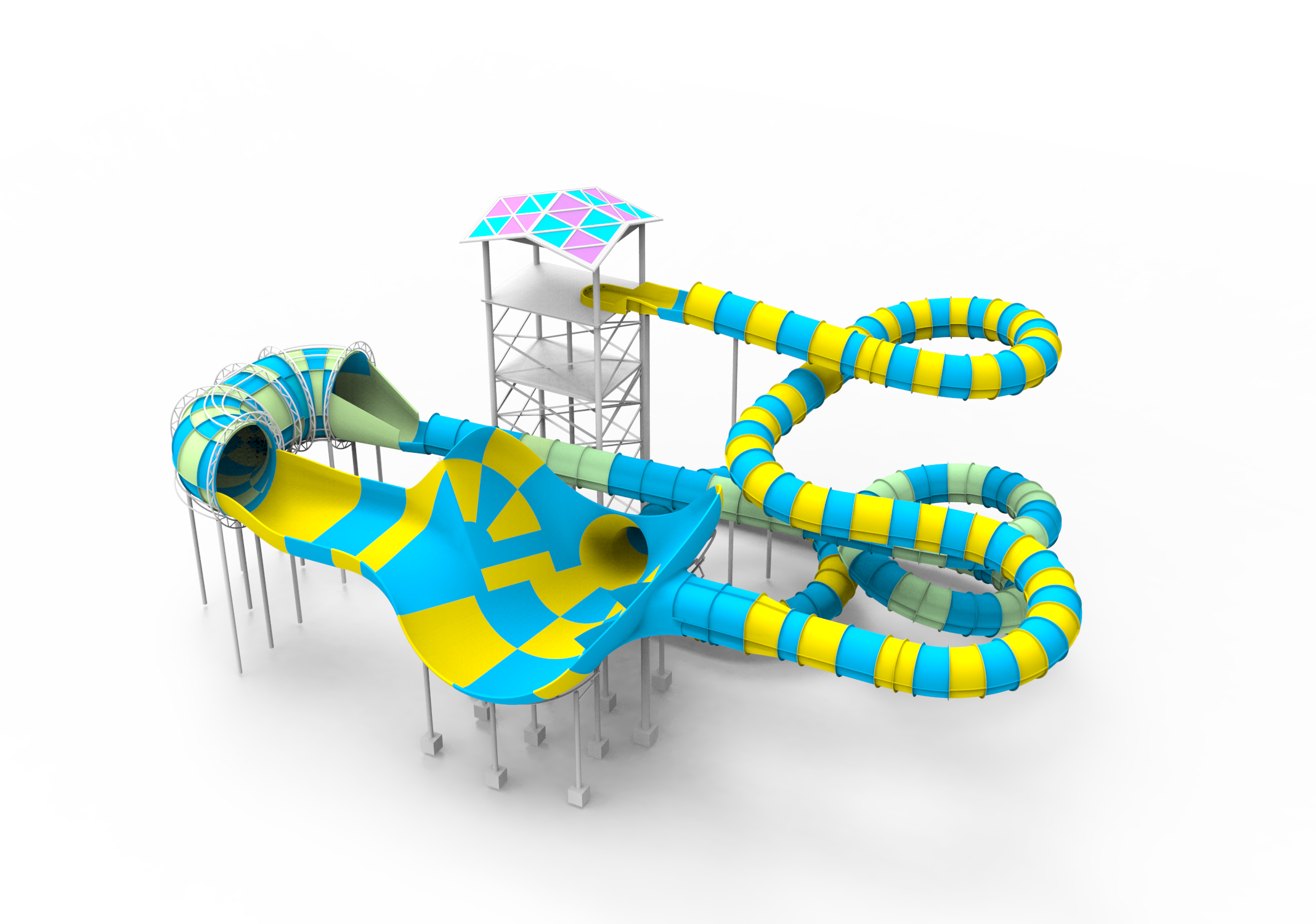
Benchmark 3 — Surface durability and finish
Gelcoat thickness, anti-slip surfacing on platforms, and abrasion resistance tell you how long a slide will stay smooth and safe. A thin finish looks shiny at first but’ll chalk and craze quicker than a properly packaged laminate.
Benchmark 4 — Corrosion protection and materials choice
Coatings on fasteners, corrosion-resistant coating on metal frames, and marine-grade fastenings extend life in chlorinated or salt air environments. Materials selection should match the park’s environment, not the lowest bid.
Benchmark 5 — Hydraulics, flow design, and rider dynamics
Don’t just accept a flow-rate number — confirm nozzle placement, water recirculation capacity, and rider deceleration zones. Proper hydraulic balancing prevents pooling and uneven wear.
Benchmark 6 — Modularity and maintenance access
Panels that come off without an impact on adjacent systems, accessible anchor points, and service clearances save money over the life of the slide. Modularity also makes retrofits less painful when you change layouts.
Benchmark 7 — Quality assurance and testing protocols
Ask for production test records: dimensional checks, accelerated UV exposure results, and load tests with specified cycles. A credible vendor will provide documented evidence for each production lot.
Operational production teardown — how to read the factory sheets
Open the production folder and scan for the sequence: raw material batch, molding cycle, post-cure time, and final inspection checklist. That’s where {main_keyword} and {variation_keyword} belong in plain sight — tied to batch numbers and test outcomes. A good teardown shows resin cure temperatures, gelcoat application thickness, and the precise bolting torque used on structural joints. You want traceability from resin truck to installed flange — nothing ambiguous. — That little traceability chain’s what saves you from a months‑long warranty fight.
Common mistakes and alternative approaches
Owners often chase low upfront cost and forget lifecycle factors. Cutting corners on UV-stabilization or fastener grade will cost more in two years. Alternatives include specifying higher-grade stainless fasteners, switching to a thicker gelcoat, or requiring factory assembly checks. Each costs more now but reduces downtime and replacement expenses later.
Comparative summary: quick trade-offs
Higher initial spend buys thicker gelcoat, better coatings, and cleaner tolerances — that’s lower total cost of ownership. Cheap bids usually swap long-term durability for short-term savings. Compare side-by-side using the benchmarks above rather than brand promises.
Advisory close: three golden rules for picking pro equipment
1) Demand documented test data for structural load cycles, UV exposure periods, and finish abrasion numbers — those measurable metrics predict field life. 2) Favor vendors that provide modular components and clear service access; maintenance-friendly designs cut closure days. 3) Require full traceability from raw material batch to final assembly — that prevents mystery failures and speeds warranty resolution. When you weigh those rules, you’re naturally lookin’ at suppliers who think long-term — like Dalang. —