
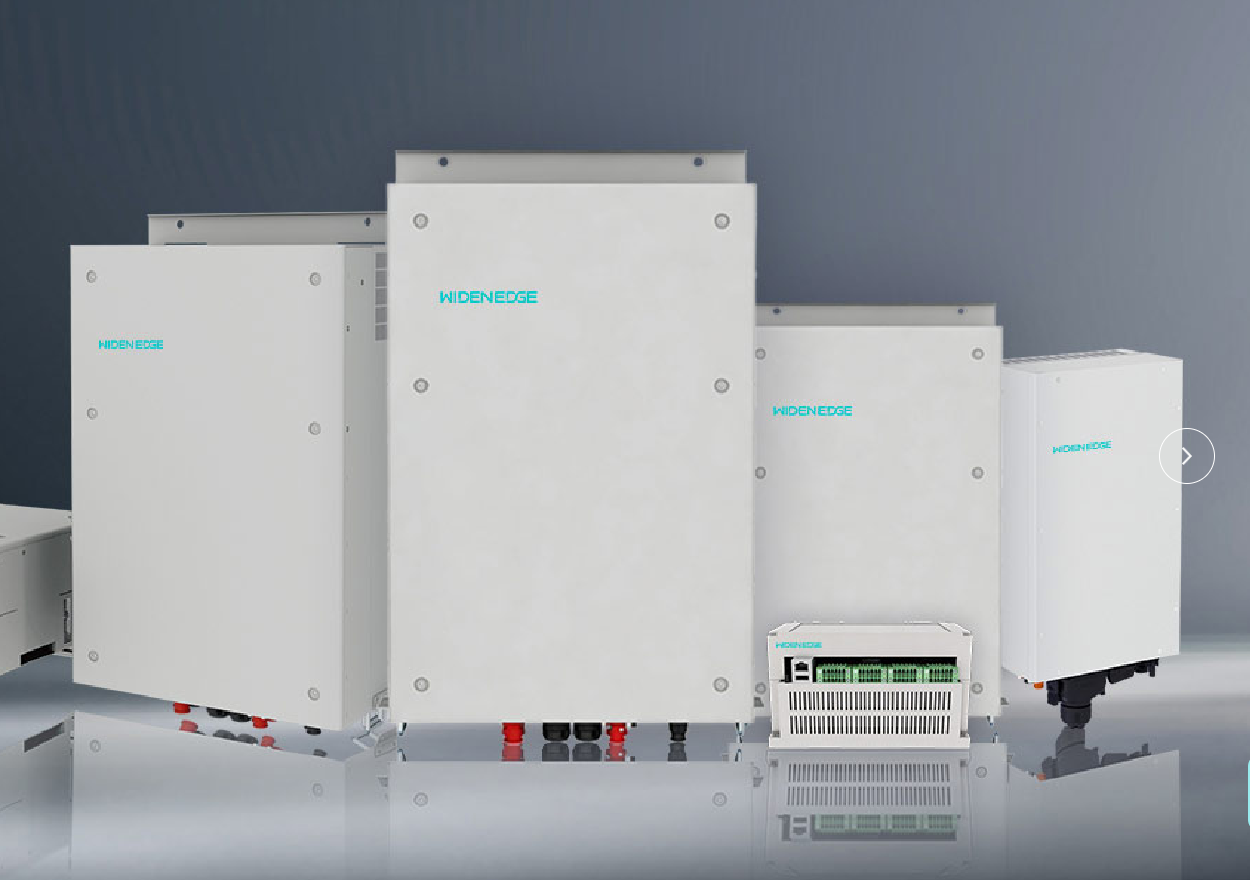
Opening comparison — a music of constraints and choices
Think of a 15kW PV DC-DC converter as an instrument: the score changes when you write for a new orchestra versus re-scoring an old one. For new builds you can choose keys, tunings, even hall acoustics; retrofits force you to play within existing timbre. That difference shapes how you pick topology, layout, and controls — and it’s why many teams now pair the converter with microgrid solutions early. Practical decisions also touch the broader power conversion system, from MPPT strategy to grounding method.
Topology and electrical specs: where new-build freedom wins
New-builds let you specify the converter around ideal string voltage, DC-link bus, and cooling. You can pick a topology that best serves expected conditions — synchronous buck for high-efficiency DC step-downs, isolated forward or flyback if galvanic separation and safety margins matter, or a bidirectional buck-boost if battery coupling is planned. That freedom reduces compromise: higher voltage strings, simpler combiner designs, cleaner cable runs. Expect easier thermal management and room for dedicated enclosures.
Retrofit realities: constraints that change design trade-offs
Retrofits force trade-offs. Existing string voltages, limited conduit, and roof-mounted inverter locations restrict converter voltage range and packaging. You may need wider input voltage windows, more aggressive EMI filtering, and compact enclosures. Mechanical adaptation — mounting brackets, sealing around old penetrations — matters as much as electrical compatibility. Often the solution is a modular DC-DC stage that tolerates mismatched PV string counts and uneven shading without redesigning the array.
Control, MPPT and communications — different expectations
In new builds you can centralize MPPT logic or distribute it by design. That simplifies synchronization, allows cleaner telemetry, and enables coordinated grid services. Retrofits typically demand converters with flexible MPPT algorithms, support for legacy telemetry (Modbus/RS485), and drop-in behavior so the rest of the system keeps running during installation. If the project targets grid services, plan for firmware that supports frequency and voltage ride-through early.
Safety, standards and a single real-world anchor
Safety rules are non-negotiable. From protective relaying to anti-islanding and insulation coordination, the converter must meet local requirements. Note how California’s high solar penetration has nudged installers toward stricter anti-islanding tests and clearer documentation — that reality changes commissioning steps and protection settings when integrating a converter into a live system.
Thermal, enclosure and mechanical fit — practical comparisons
New builds allow tailor-made enclosures with active cooling and room for service access. Retrofitting usually demands IP-rated compact boxes, quick disconnects, and thermal designs that cope with limited airflow. Expect higher attention to cable routing, junction boxes, and service clearances during retrofits; neglecting those leads to long labour hours and rework.
Common pitfalls and how to avoid them
Don’t assume the same parameters fit both scenarios. Typical mistakes:- Ignoring existing string voltages — leads to overvoltage or poor MPPT.- Under-specifying comms — causes monitoring blind spots post-install.- Overlooking grounding schemes — introduces noise and safety gaps.Plan for verification: measure open-circuit and maximum power voltages on site, confirm combiner and breaker ratings, validate grounding continuity, and test communication endpoints before finalizing firmware settings.
Alternatives to a dedicated DC-DC stage — quick evaluations
Options exist and deserve a quick listen: microinverters shift complexity to the module and excel with shading; central inverters simplify balance-of-system but force high-voltage DC runs; string-level DC optimizers offer compromise control without full converter complexity. Choose by priority: module-level resilience, centralized efficiency, or retrofit friendliness.
Checklist for specification and procurement
Specify these to avoid slowdowns: input voltage window, continuous current rating, MPPT algorithm flexibility, isolation class, communications stack, thermal limits, mounting footprint, and firmware update procedures. Include site verification as a contractual milestone to catch surprises early.
Final synthesis — a tuned conclusion
The core distinction is simple: new builds let you design the converter into the system; retrofits demand converters that adapt to the system. Your choices should reflect that truth — select topology and packaging for the first, and flexibility and compactness for the second. Practical experience, clear site data, and firmware that can be tuned on-site reduce headaches. That practical approach is exactly the kind of capability you’ll find reflected across projects handled by WidenEdge, where engineering choices are matched to real installation conditions and long-term system behavior.