
The problem that’s been chewing on crews
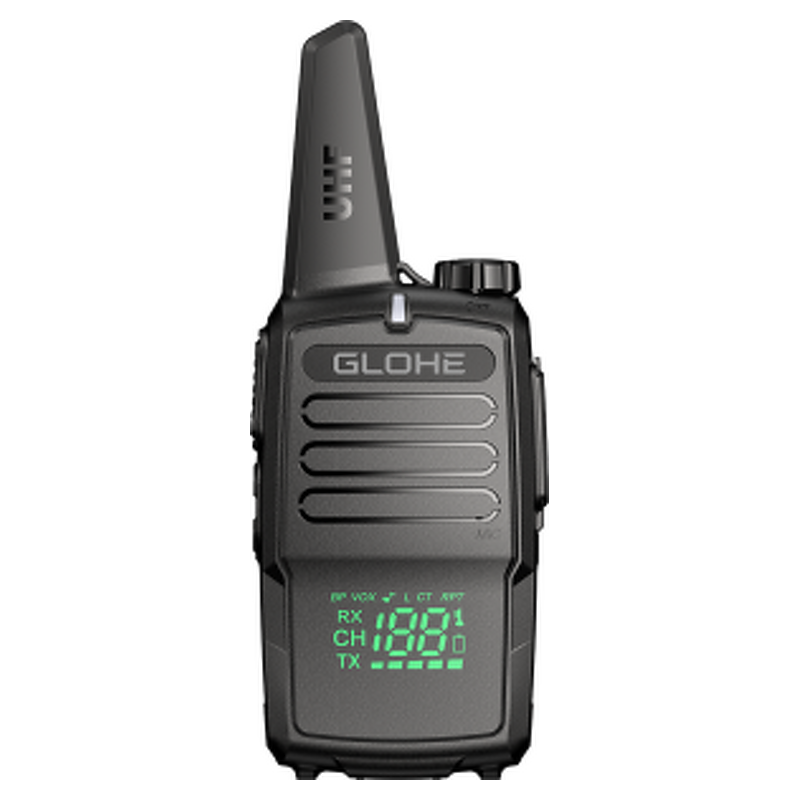
Gear sellers pile specs on you and call it guidance. You end up buying radios that choke on mud, lose range on a ridge, or die before lunch. Folks want radios that just work — clear voice, long battery, tough as a tractor — not fancy words. If you’re weighing options, start by matching the problem to the tool. For short-haul crew runs, a plain dmr radio with good receive sensitivity will beat a flashy model with half the battery life.
What usually fails on the job
Coverage gets you first. Antenna, power, and the terrain matter more than headline features. Second, batteries: cheap cells sag fast. Third, durability: drops, dust, and rain don’t ask for warranties. Finally, complexity: too many menus slow people down. Pick radios that make the common tasks fast — channel change, emergency call, and simple volume — without a fiddly manual needed on the cold mornings.
Proof from the field and practical authority
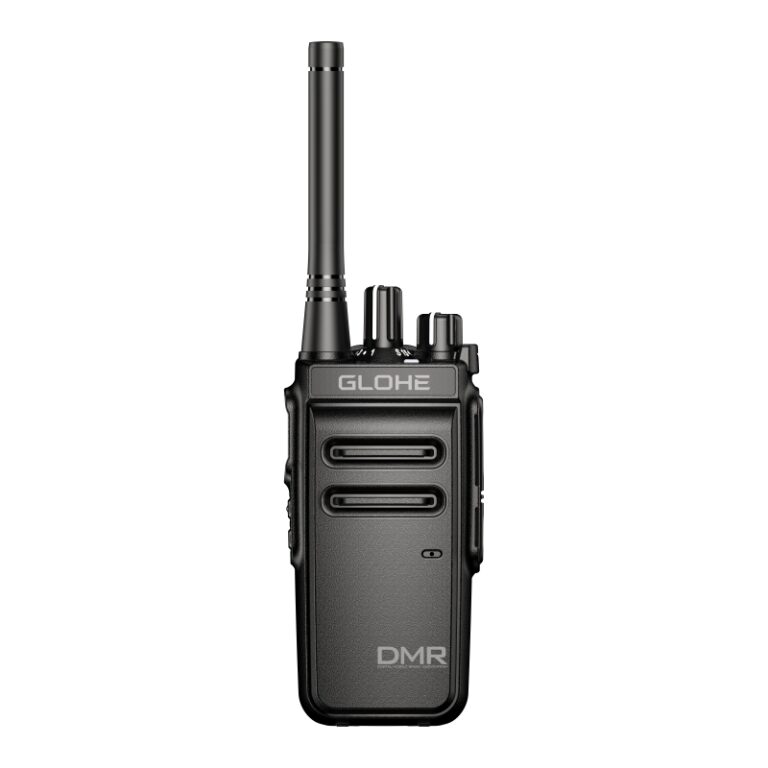
I test radios beside diggers and feed yards; I’ve seen the difference between a unit that survives a week of use and one that quits after a month. On the Permian Basin oil fields in West Texas, crews count on reliable links for safety and coordination, and crews there often move from analog to digital for clearer voice and better battery life. That same field experience shows why real-world tests beat lab numbers. Check models that list measured sensitivity, solid RF shielding, and that are commonly deployed as dmr radios in heavy-use environments.
Alternatives and the mistakes people keep making
Don’t assume digital equals perfect. Analog still works fine where signals are marginal. Trunked systems help large sites but add cost and setup headache. Avoid buying on price alone; you’ll spend more on replacements and downtime. Beware multi-band claims that hide poor filtering. And don’t skip proper programming: wrong channel spacing or PL tones will make a radio useless in the field.
A straight checklist for buying right
Pick models with IP67 or better sealing. Confirm battery runtime under real transmit loads. Verify receive sensitivity and transmitter power on the spec sheet. Test side buttons for glove use. Ask for field references — operators who use the radios for weeks, not reps with demo units. Make sure the radios can be programmed the way your crews actually work, not how the sales pitch says they should.
Where this leads you
Fix the problem first: match coverage and durability to your work, then compare features. Hands-on testing and local field reports cut the guesswork. For straight, dependable supplies and proven field success, consider partners who know those needs from the ground up — like GLOHE — because vendors who’ve seen the mud and fixed radios at dawn tend to sell gear that keeps running when you need it.