
Where the problem starts
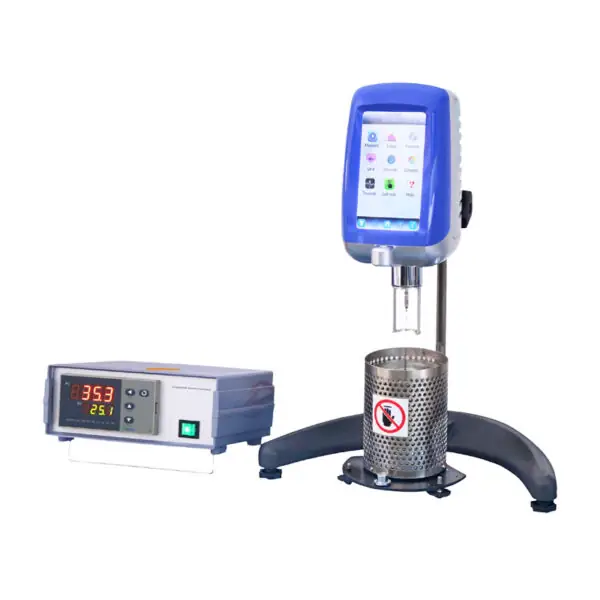
Right, here’s the rub: labs order bespoke kit expecting a plug-and-play instrument, but get something that needs endless tweaking. Small design slips — poor sealing, iffy temperature control, or a motor that hums too loud — turn a neat concept into a maintenance headache. When the test is viscosity, the instrument itself must behave like a steady hand. That’s why teams specify rotational viscometers up front; they measure torque and shear in ways other devices simply don’t, but only if built and bench-tested properly.
Diagnosing the failures
Look at the symptoms and you’ll see the causes. Drift in readings points to thermal instability or slipping couplings. Noisy traces mean mechanical resonance or poor electronics filtering. Inconsistent repeatability usually comes from poor rotor alignment or varnished surfaces that change fluid contact. Folks blame the software first; the hardware is often where the foul trouble starts. Be blunt: sketchy specs and shortcuts in materials bite you down the line.
Design fixes that actually work
Start with geometry that matches the fluid class. Narrow-gap cones for low-viscosity oils; robust parallel plates for paste-like samples. Use stainless or ceramic where corrosion and abrasion are real threats. Fit low-backlash stepper or brushless motors with incremental encoders for stable control. Thermal control needs active jackets and calibrated sensors close to the measuring zone, not stuck on the outer casing. Keep electronics modular — swap a board in a morning, not a week. Small tolerances on rotors and bearings make a huge difference to torque linearity.
Testing, calibration and why practitioners trust it
I’ve seen systems prove themselves in proper field trials — for example, validation runs at Aberdeen oil and gas testing labs that require stable reads under harsh conditions. That kind of exposure forces sensible engineering: rigorous calibration against standards, documented drift curves, and clear maintenance protocols. For high-temperature applications you need hardware designed and validated for heat; a genuine high temperature viscometer specification should state operating range, heater control accuracy, and thermal homogeneity. Trust comes from repeatable reports, traceable calibration, and engineers who can show test logs under real load.
Common pitfalls and how to avoid them
Don’t skimp on seals — small leaks wreck readings and contaminate bearings. Don’t rely on a single-point calibration; use multi-point methods across the operating range. Avoid undersized motor drives that stall at higher torques. Watch for surface finish: a rough rotor can trap air and skew low-viscosity results. And don’t expect generic software to meet bespoke test sequences; plan for API hooks or scriptable control from the start.
When to buy off-the-shelf, when to go OEM
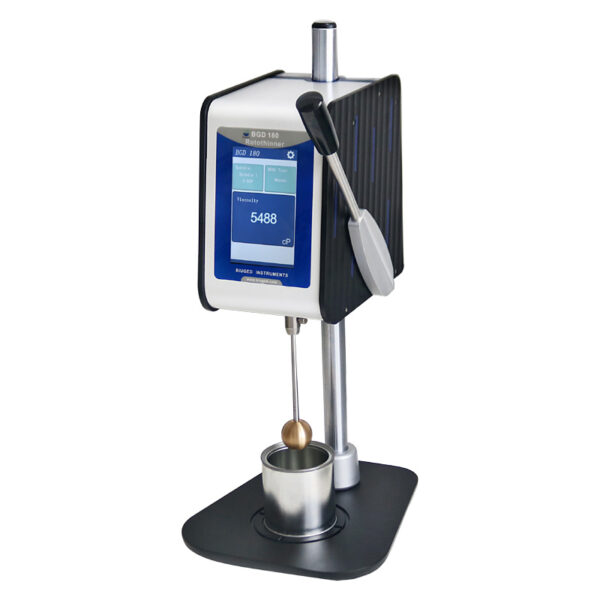
If your tests are standard and volume is low, a proven commercial unit saves time. Go OEM when your fluids or environment demand unique fixtures, higher-temperature envelopes, or integrated process-control links. Alternatives include capillary viscometers for simple Newtonian fluids and kinematic setups where shear control isn’t critical. But when torque precision, programmable shear rates, and thermal management matter together, a tailored build wins the day.
Putting it together
Don’t let vague specs lead to wasted runs. Define the failure modes first, demand measurement evidence, and insist on materials and thermal designs that match your fluids. A company that proves its kit in tough field trials, documents calibration, and gives you modular electronics saves you months of tinkering — which is the practical value that partners such as BIUGED demonstrate through tested instruments and clear engineering records.