
Introduction
Have you ever watched your hens slow down and thought — is it just the weather or something we fixed poorly? In many flocks, chicken coop lighting for egg production is treated as an afterthought, yet simple changes can move lay rates noticeably (sometimes by 5–15% or more, depending on breed and management). I’ve seen small farms and backyards where poor light timing and wrong spectrum quietly shave eggs off the weekly count. The numbers are plain: consistent photoperiods and proper lumen levels matter. So why are so many keepers still using old bulbs and gut-feel schedules instead of measured control? I’ll argue that this is not a trivial choice — it’s a management decision that affects welfare, cost, and output — and then show practical ways to fix it. Next, let’s dig into where the common systems break down and what that really costs your flock.

Why Traditional Lighting Often Fails
lights for chickens laying get recommended a lot, but the way people install and configure them is where mistakes creep in. I’ll be blunt: many setups focus only on brightness and ignore photoperiod control and spectrum — and that’s the root of the problem. In technical terms, poor spectrum control and inconsistent LED drivers cause flicker or wrong color mix, which disrupts circadian cues. Photoperiods that swing wildly from day to day confuse hens; they need steady sunrise/sunset routines. Look, it’s simpler than you think: regular, dimmable, timed light beats random on/off schedules every time.
What goes wrong?
First, installers often use bulbs rated only by wattage, not lumen output or color temperature. That leads to mismatched lux levels across the coop. Second, cheap fixtures lack reliable power converters or dimmable ballasts, which means timers don’t smoothly ramp light up and down. That abrupt change stresses birds. Third, people treat light as a single variable; it’s actually a system: spectrum, intensity, timing, and placement all interact. These faults add up. I’ve audited coops where a single wiring fix and a timer reprogram raised production noticeably in weeks — no miracle feed, just better light management. If you want results, focus on system design and components, not only on more hours of light.
New Technology Principles and a Practical Outlook
When we look forward, the biggest game-changers are smarter control systems and better LED tech. Modern poultry lighting blends spectrum control with programmable photoperiods so you can simulate seasonal changes or gently extend day length without shocking hens. I’m talking about fixture-level control, not just a barn timer. Integrating quality LED drivers and sensors means you can tune lumen output by zone and cut energy use — win-win. And yes, edge computing nodes and simple automation are now affordable enough for small farms; they let you log light exposure and spot trends over weeks (— funny how that works, right?).
Real-world impact?
From my experience helping growers, the practical payoff is threefold: steadier lay rates, better feed efficiency, and calmer birds. In one comparison I followed, a coop that moved from mixed incandescent setups to zoned LED with smooth dimming saw egg output stabilize and shell quality improve in under two months. Not every upgrade needs high-end controllers. Sometimes better fixtures and a sensible timer are enough to remove daily swings in photoperiod. Still, I favor systems that let you test and measure — data beats guesswork, every time.
How to Choose — Three Key Evaluation Metrics
I want to leave you with actionable criteria. When you evaluate any lighting solution for your flock, judge it by these three metrics: 1) Photoperiod control — can you program gradual ramps and consistent day length? 2) Spectrum and intensity — are lumen output and color temperature right for layers (and adjustable)? 3) Component quality and serviceability — do fixtures use reliable LED drivers and power converters, and can you replace parts locally? I always prioritize systems that score well on all three. They cost more upfront sometimes, but they reduce headaches and deliver steady eggs. We’ve tried cheaper options — they almost always come back as problems. Bottom line: pick control and quality over short-term savings.
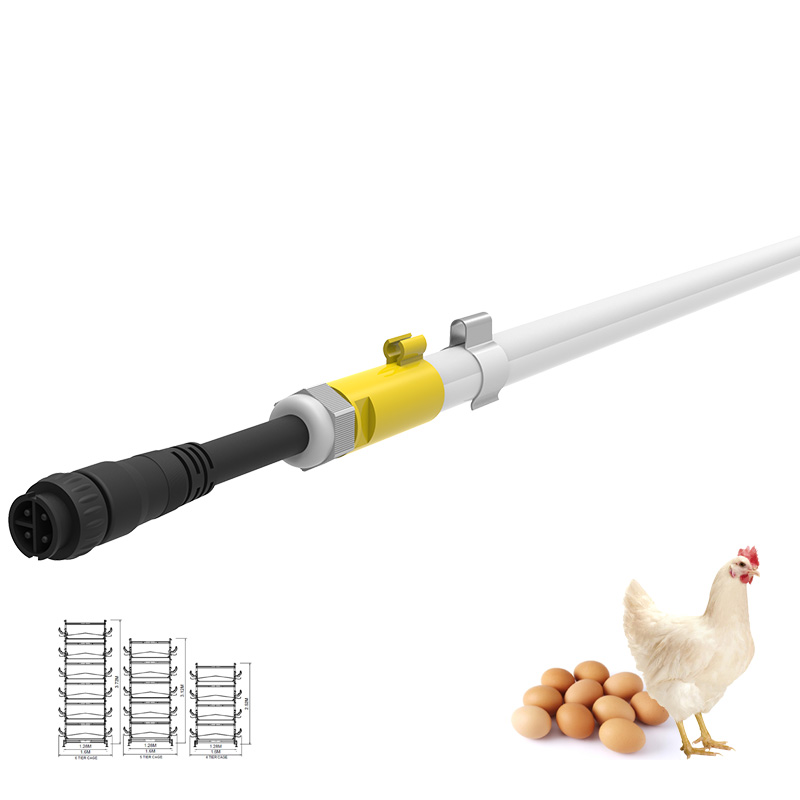
For practical gear and further reading, I’ve linked resources above and recommend checking supplier specs closely — and if you want a starting point, see what reputable vendors offer. I work with producers who now prefer modular, measurable setups; they sleep better at night, honestly. For trusted product lines and more details, visit szAMB.