
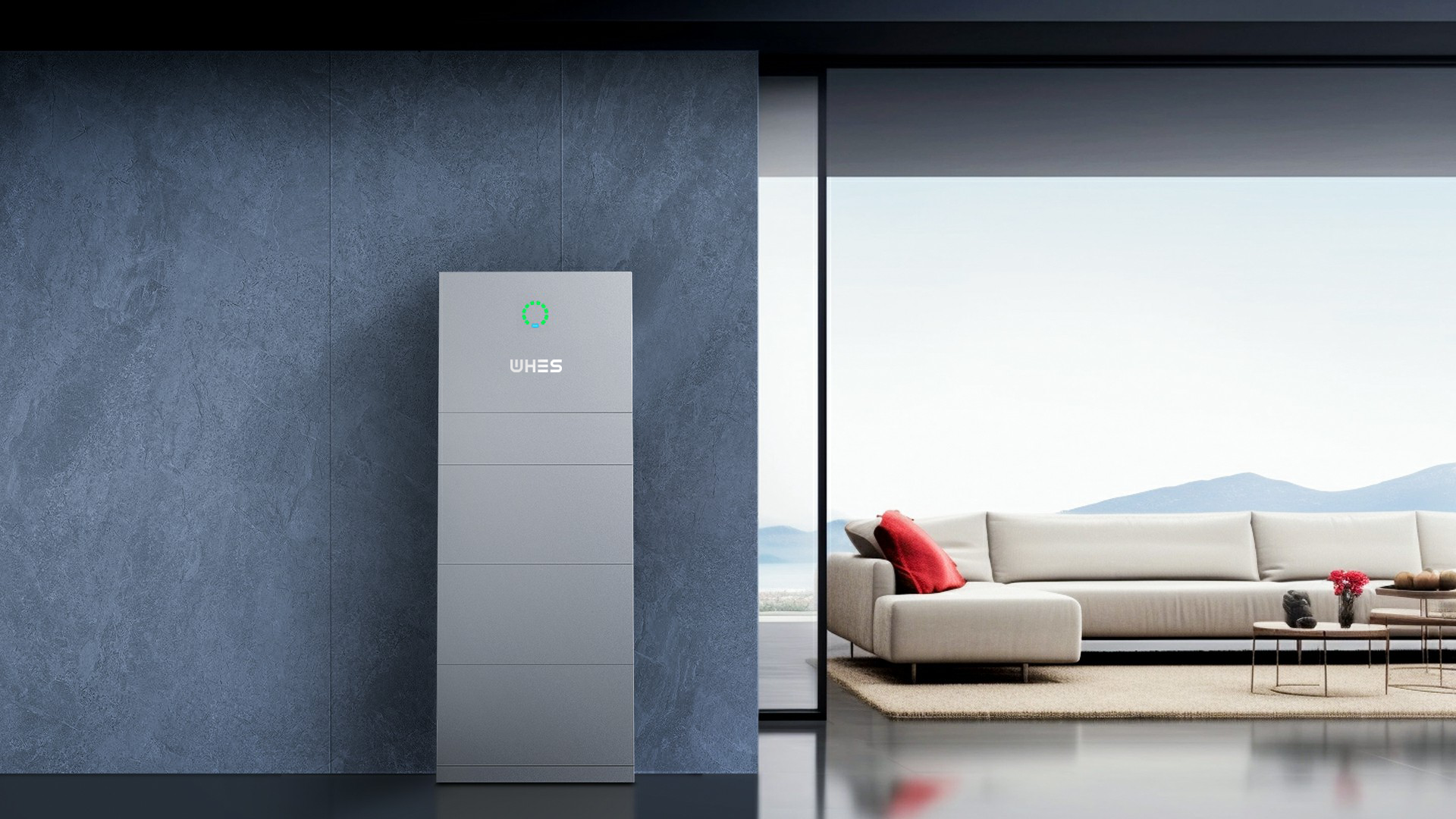
Opening: the trade-off that decides projects
When a commercial property manager or energy director weighs an upfront battery investment against years of bill savings, they’re really choosing between measurable infrastructure CapEx and ongoing operational arbitrage. The math is straightforward: higher initial spend can buy better round-trip efficiency, longer cycle life, and more flexible dispatch — and that can unlock arbitrage opportunities for peak shaving and time-of-use optimization. If you’re evaluating systems, start by scanning options for commercial battery storage to see how vendors price capacity, warranties, and integrated services.
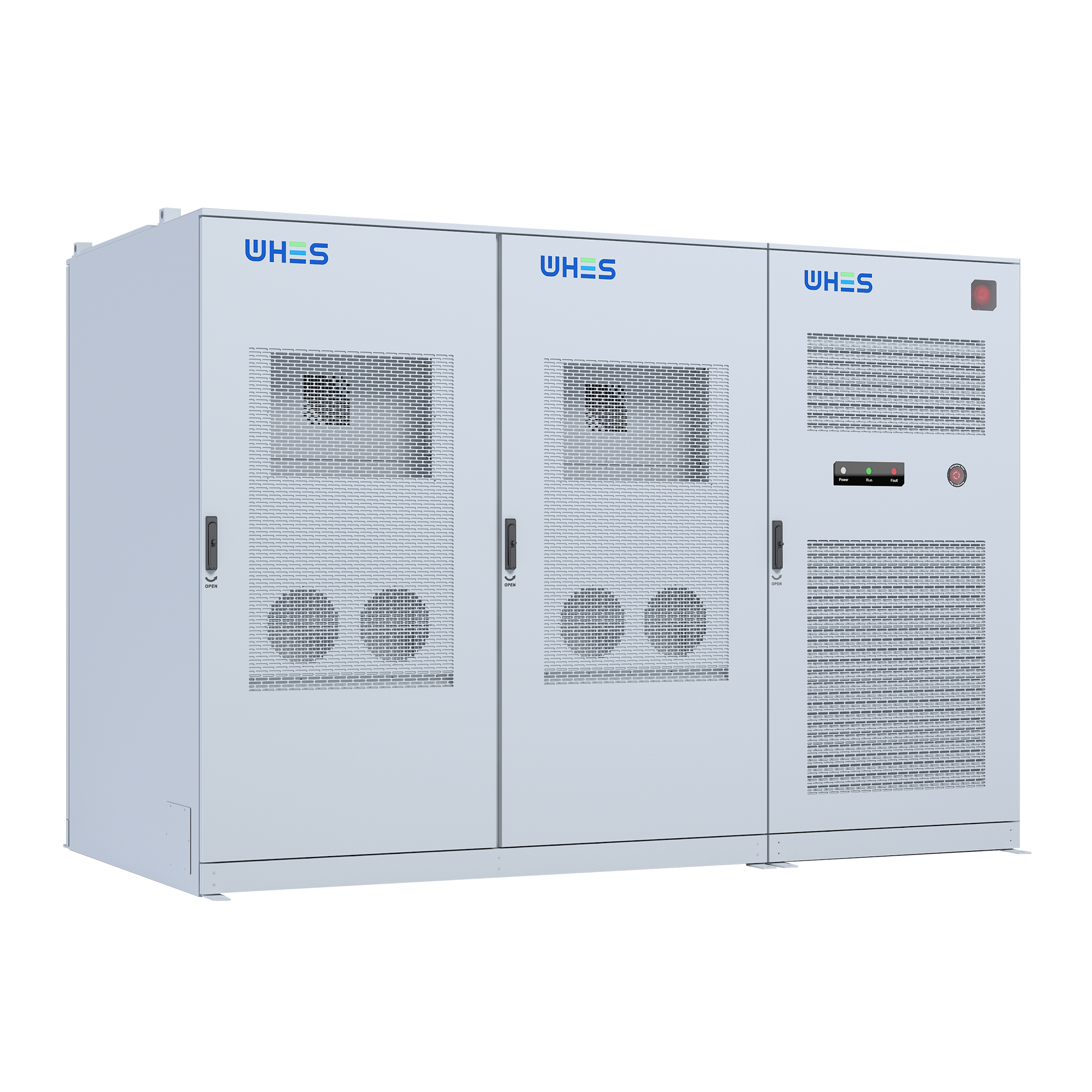
What moves the ROI needle
Three levers dominate ROI: capital cost, operational value, and risk exposure. Capital cost includes battery modules, inverters, and installation. Operational value comes from avoided demand charges, energy arbitrage, and potential grid services revenue. Risk exposure covers warranty depth, degradation rates, and counterparty reliability. A clear metric to compare offers is levelized cost of storage (LCOS) — it consolidates CapEx, O&M, efficiency losses, and expected cycles into a single figure you can benchmark.
Real-world anchor: why leaders started buying batteries
Take California’s 2020 rolling blackouts as a wake-up call: commercial sites there began prioritizing resilient on-site assets that also reduce energy expense. Owners realized storage could serve both resilience and cashflow needs — supplying backup power during outages and engaging in energy arbitrage during high-price hours. That dual role is a tangible example of how operational arbitrage compounds value over years, not just months. It’s a lesson that reshaped procurement across the West Coast and beyond.
Two simplified scenarios to compare
Run a side-by-side model with consistent assumptions and you’ll see the comparative logic quickly:
- Low CapEx option: cheap modules, lower efficiency (~85–90% round-trip efficiency), shorter warranty. Pros: faster payback if demand-charge savings are immediate. Cons: higher degradation, more replacement risk.
- High CapEx option: premium cells, higher efficiency (~92–96%), robust warranty and integrated BMS (battery management system). Pros: greater arbitrage capture, longer useful life, lower LCOS over a decade. Cons: slower initial payback and higher financing needs.
The right pick depends on your discount rate, expected tariff volatility, and whether you value resilience as a non-financial benefit — or whether you can monetize grid services like frequency response with a smart inverter.
How to stress-test vendor proposals
Ask for scenario outputs, not just a single payback number. Request models showing sensitivity to tariff changes, varying degradation curves, and different dispatch strategies. Compare assumptions for state of charge (SoC) windows, warranty coverage for cycle throughput, and available telemetry for O&M. Also check whether the supplier offers DC-coupled or AC-coupled integration — that technical choice affects round-trip losses and compatibility with existing PV systems. If a proposal locks you into opaque software fees or a single revenue model, push back.
Common mistakes teams make — and how to avoid them
Teams often undercount three things: the true cost of integration with existing controls, the hidden revenue from grid services, and the impact of underestimating degradation. Don’t assume the lowest upfront price wins. Instead, pilot dispatch strategies with a small tranche or insist on a performance guarantee tied to measurable outputs — such as achieved peak demand reduction or specified LCOS thresholds. —
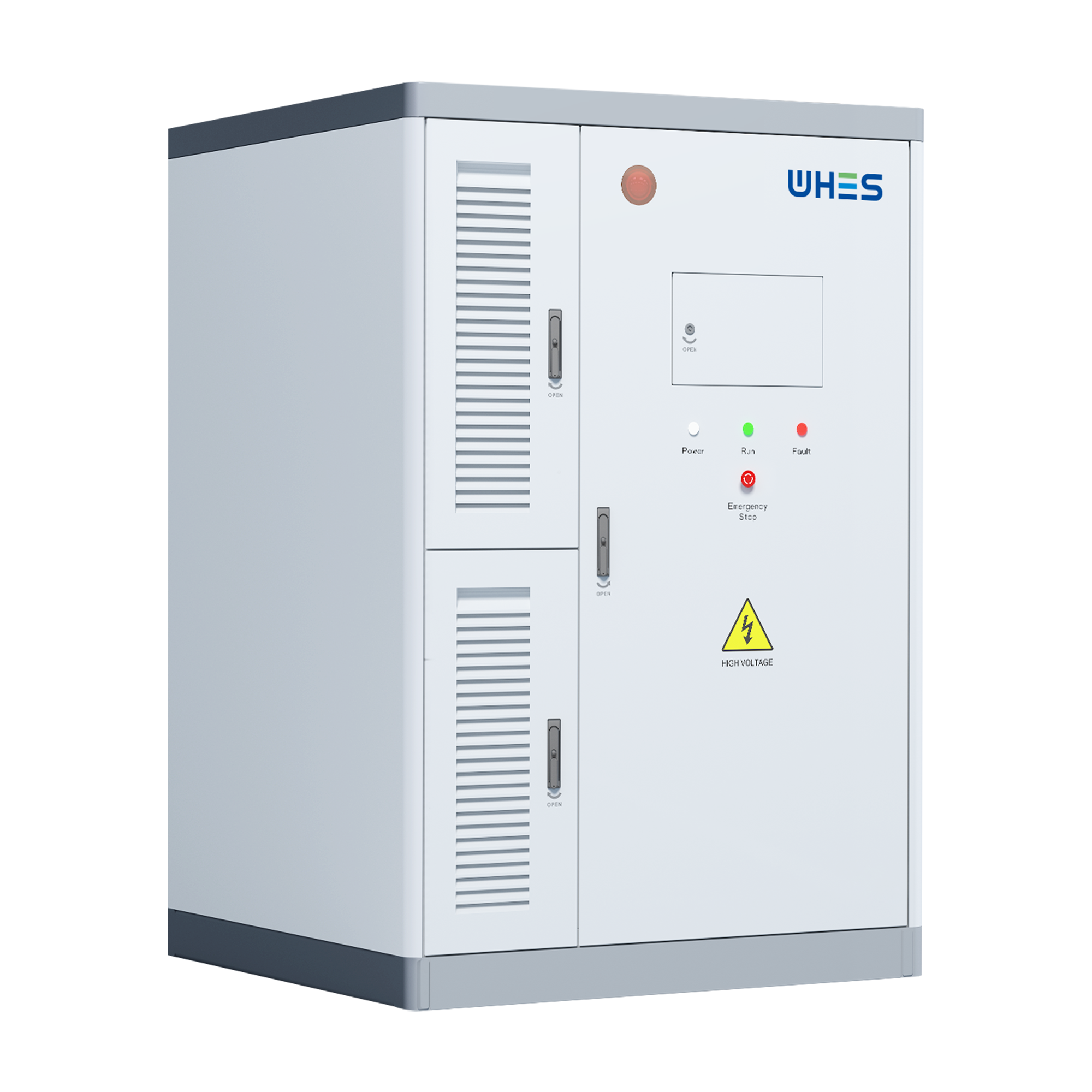
Comparing vendors: what the shortlist should look like
When building a shortlist, include providers who can present: clear warranty terms, historic performance data, and transparent software models for dispatch. Look for teams that also advise on interconnection and tariff strategy — because the best arbitrage plays require close coordination between the battery management system and tariff schedules. Consider whether the supplier can deliver a turnkey solution for commercial solar battery storage as well as integration with your existing PV array; this often simplifies commissioning and improves overall system efficiency.
Three critical evaluation metrics (golden rules)
1) Levelized Cost of Storage (LCOS): normalize CapEx, O&M, and efficiency assumptions into a per-kWh cost to compare apples to apples. 2) Lifetime energy throughput and warranty alignment: ensure the warranted cycle capacity supports your dispatch plan — warranties should match projected cycles, not just calendar years. 3) Realized arbitrage potential under stress: require vendor models that show performance under peak tariff spikes and outage scenarios; this reveals whether the system truly captures operational arbitrage or only theoretical savings.
Measure proposals against these metrics and you’ll cut through marketing to the offers that actually deliver value.
Final assessment and how WHES fits in
Choosing the balance between CapEx and decades of operational arbitrage is a strategic decision — one that should be guided by transparent modeling, realistic degradation assumptions, and a partner who can align installation, controls, and long-term service. For many commercial customers, that partner model is exactly what makes advanced storage pay off: it turns initial infrastructure into ongoing cashflow while also de-risking resilience needs. WHES. —