
Introduction
I remember walking onto a shop floor where the hum of machines felt like a heartbeat—calm, steady, and a little tired. The team was proud, but their machines lagged behind demand and data showed a 12% waste rate that month. The wet wipes making machine sat at the center of that story, quietly doing its job while creating pressure elsewhere. (We all know a single bottleneck can ripple fast.) Why do these systems, built to deliver consistency, so often leave operators frustrated and management chasing fixes? Let’s unpack that question and move toward answers you can use right away.
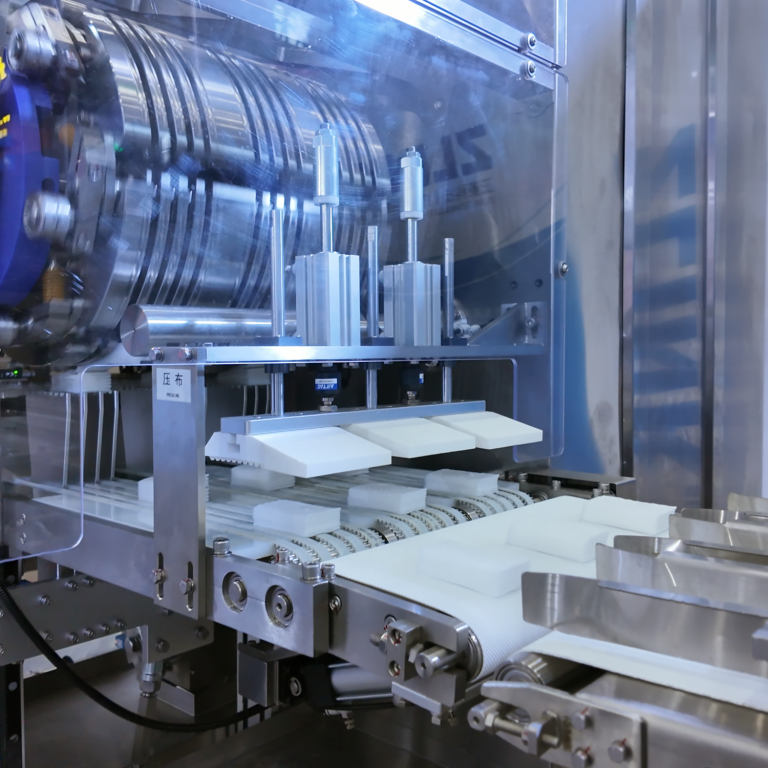
I want to be direct: the scene above is common and fixable. I’ll share what I’ve seen work and what trips teams up. Think of this as a short map from problem to sensible choices. Next, I’ll get into roots—the flaws and the pains that hide beneath tidy production numbers.
Deeper Layer — Traditional Flaws and Hidden Pains
wet wipe machinery often looks fine on a spec sheet. Yet, I’ve watched setup rituals stretch into hours and repeat failures appear like bad habits. Operators tell me the same things: the line stalls, the cut is off, or the roll tension fights the process. These are not minor annoyances. They hide deeper issues with PLC control, servo motors, and tension control systems that were never tuned for real-world variability. Look, it’s simpler than you think—when a machine is designed around ideal inputs, it breaks when inputs vary.
Why does this keep happening?
First, legacy designs assume perfect material. But nonwoven fabric and adhesives change by batch. Second, many manufacturers skip adaptive feedback. If a cutter (or a cutting die) misses by a millimeter, waste piles up. Third, maintenance plans are reactive, not predictive. Operators patch hydraulic systems or replace belts and hope for the best. Those fixes hide problems rather than solve them. I’ve seen teams obsessed with uptime numbers while ignoring drift in process controls. That disconnect causes stress and cost. — funny how that works, right?
What’s Next — A Forward-Looking View
When I look ahead, I see better integration and smarter tools. Modern wet wipe machinery uses edge diagnostics, simple HMI tweaks, and clearer feedback loops. Small sensors on lamination rollers and tension zones give real-time alerts. Combined with decent PLC control code and thoughtful use of power converters, lines can adapt rather than stall. These are not sci-fi ideas. They’re practical steps that reduce waste and make operators feel heard.
Real-world impact?
Consider a mid-size plant that added basic predictive checks to its wet wipe machinery wet wipe machinery. They cut rework by nearly a third within months. Operators stopped running emergency fixes at night. The change came from three small shifts: better sensors, clearer operator screens, and a maintenance cadence that looked for trends instead of failures. This isn’t magic. It’s attention to the parts of the process most people ignore—cutting die alignment, lamination roller temperature, and consistent feed tension. The result: happier staff and steadier output.
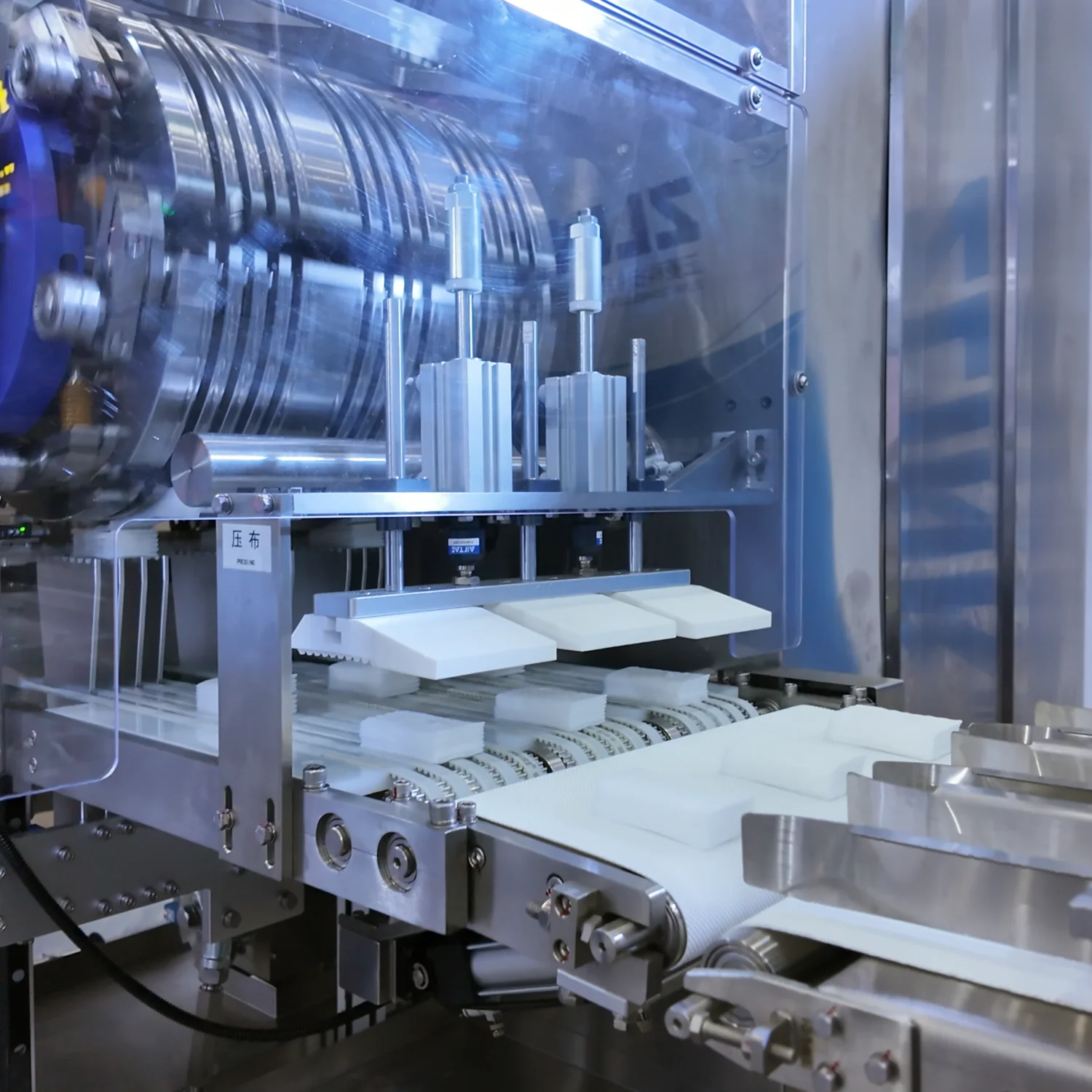
To choose a partner or upgrade, I suggest three simple metrics you can use right away: 1) mean time to correct (how long until a fault is fixed), 2) material yield percentage (real finished product versus input), and 3) operator intervention frequency (how often staff must step in). Use these to compare options quietly and clearly. I prefer partners who explain trade-offs plainly and who let operators pilot changes. In my view, that practical honesty matters more than glossy demos.
We’ve covered what pains teams, why old fixes fail, and where sensible steps can lead. I’ve worked with engineers who swear by tight tolerance, and operators who value simple screens. Both sides must meet. If you’re ready to explore real upgrades or just want to talk through options, I’m here. For trusted equipment and practical support, take a look at ZLINK.