
Introduction: a quick scene, a number, a question
I remember watching a grad student frown at a screen full of blurry paw prints—she’d spent hours and still couldn’t trust the data. Rat gait analysis sits between messy biology and precise measurement, and that tension shows up in a lot of datasets (low signal-to-noise, anyone?). Recent lab audits I’ve seen report up to 25% trial loss from poor capture or inconsistent labeling. So how do we stop throwing away work and start getting clear, repeatable gait metrics that actually tell a story?
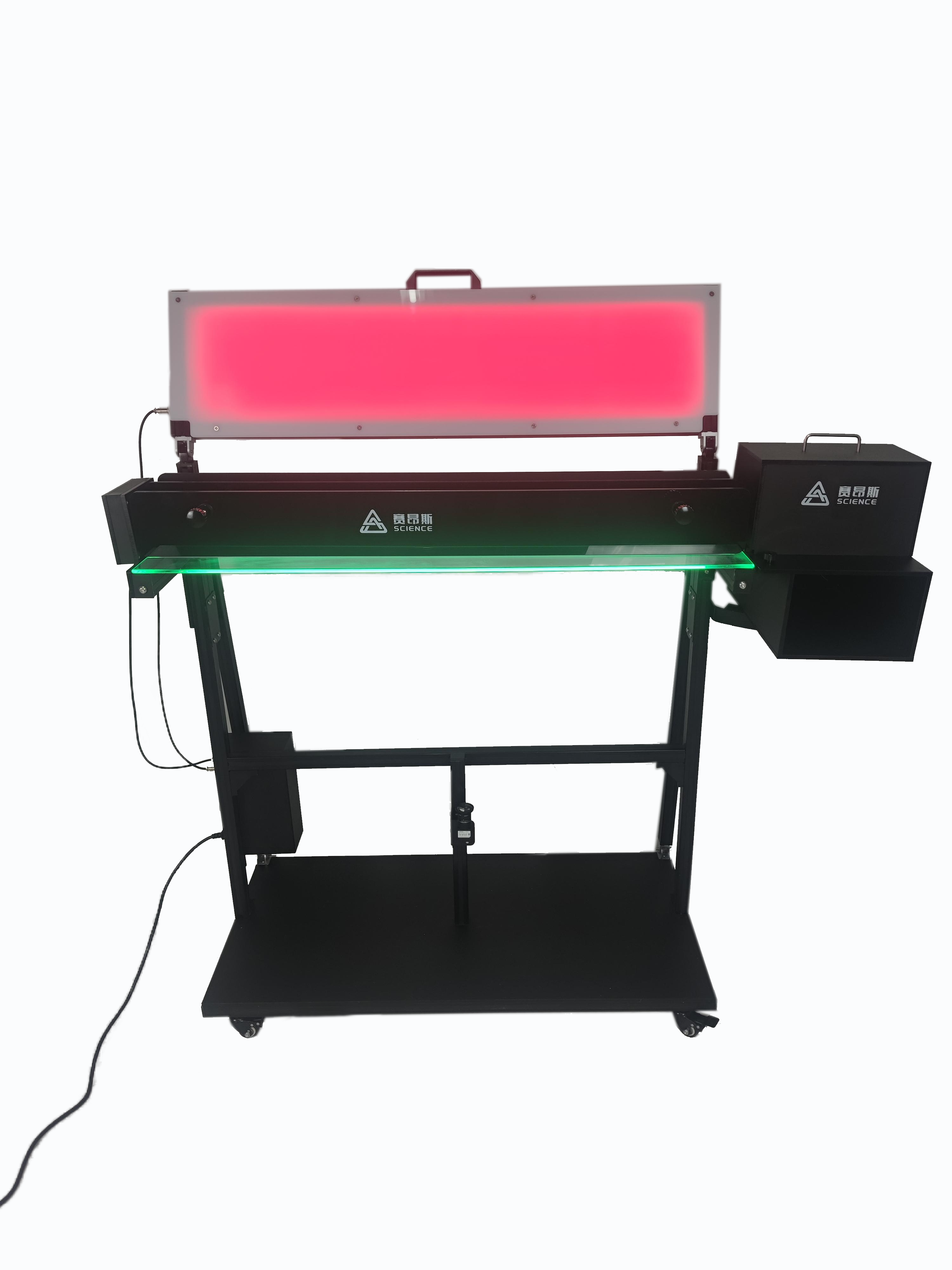
Why many rodent gait systems fail: a direct look at the flaws
rodent gait analysis system vendors promise turnkey capture, but I’ve learned the hard way that off-the-shelf setups often leave key gaps. Cameras with low frame rate will blur critical footfall timing, force plates mis-synchronize with video feeds, and machine vision pipelines choke on occlusion. In plain terms: you can have a shiny box and still get bad stride length and stance phase data. Look, it’s simpler than you think—bad inputs make bad outputs, no matter how clever your analysis software is.
From my perspective, three recurring flaws stand out. First, inadequate calibration: labs skip it because it’s tedious, but that shifts kinematic parameters and ruins cross-session comparisons. Second, data bottlenecks: heavy video files stall processing unless you employ edge computing nodes or efficient compression schemes, and many systems neglect that. Third, poor user workflows: technicians juggle multiple interfaces, which raises human error and reduces throughput. These aren’t academic quibbles; they are the very pain points that cost time, money, and confidence in results—funny how that works, right?
So, what really breaks the workflow?
Is it hardware? Software? Training? In my view, it’s the combination—and the weak link tends to be integration rather than any single component.
Moving forward: principles for better rodent gait systems and a brief outlook
We need new technology principles, not just new widgets. A next-generation rodent gait analysis system should bake in synchronized timestamping across video and force sensors, use machine vision models tuned to paw morphology, and push preprocessing to edge devices to avoid storage bloat. When I design or evaluate systems now, I ask: can this pipeline preserve raw frames at an adequate frame rate while offering real-time quality feedback? If the answer is no, I walk away.
Practically, I expect systems to combine robust hardware (high-speed cameras, properly zeroed force plates) with software that focuses on clear kinematic parameters and easy export for stats. Integrating simple calibration routines that a tech can run in five minutes makes a huge difference. Also: consider adopting modular designs so you can upgrade a camera or add a pressure mat without throwing out the whole setup. We’ve seen labs cut analysis time in half by doing that—small change, big impact. — yes, small wins matter.
What to measure next?
How do you choose among options? I recommend three metrics: capture fidelity (frame rate and resolution), synchronization accuracy (ms-level timestamp alignment), and usability (time-to-calibration and ease of export). Test for those and you’ll avoid most common traps.
Closing advice and final thoughts
I’ve worked with teams that started with loose protocols and ended up with messy, unusable datasets. Over time we tightened procedures, demanded better calibration, and picked tools that made technicians’ lives easier. My advice: prioritize the measures I just named, insist on proof of synchronization, and pilot the full workflow before buying anything. If you do that, you’ll get cleaner stride metrics, clearer force plate traces, and data you actually trust. In short: measure what matters, simplify the pipeline, and train the people who run it—those investments pay back in reliability and fewer late-night fixes. I truly believe better practices beat flashy features most days.
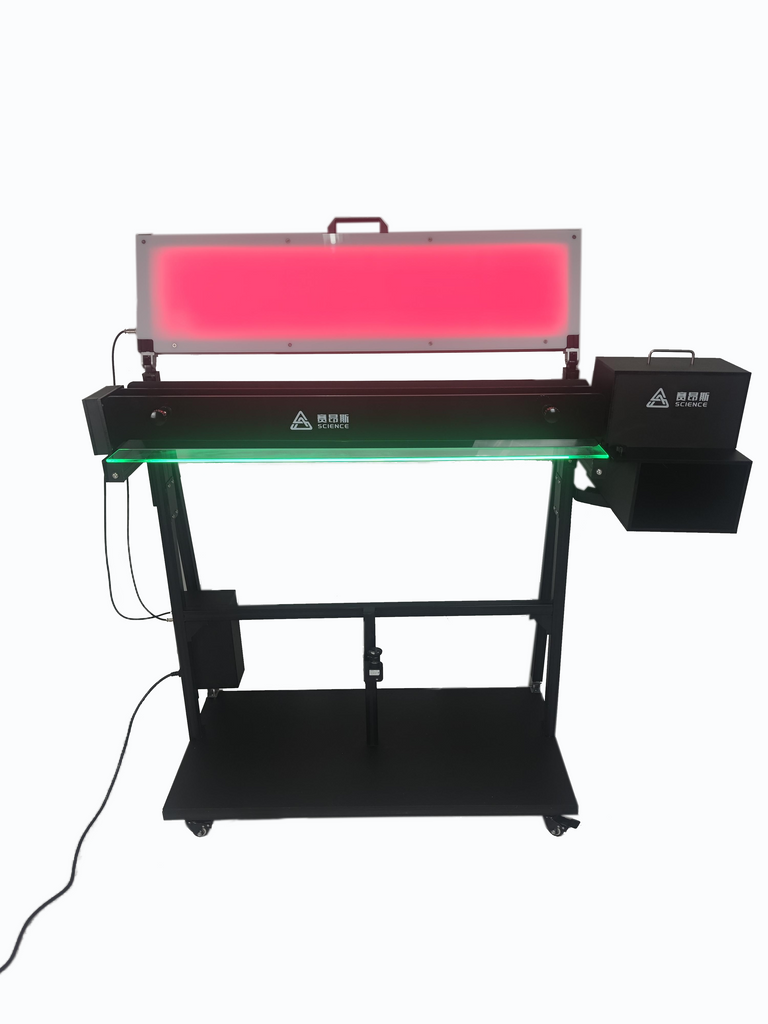
For labs ready to move from trial-and-error to a repeatable, integrated approach, I recommend checking solutions from established developers who document calibration and performance. For reference and tools, see BPLabLine.