
Facing the failure first — the problem that never sleeps
The hum of a tank gone wrong can feel like a confession: product lost, downtime mounting, customers furious. Manufacturers wrestle with throughput demands, tougher regulatory checks, and materials that refuse to play nice—while investors want shorter lead times. One blunt solution rising from shop floors is the focused adoption of better fluid entry strategies, like the Jet Mixer, because poor circulation is often the silent cause of process collapse. This is a problem-driven market: fix the single point of failure first, then refine everything else.
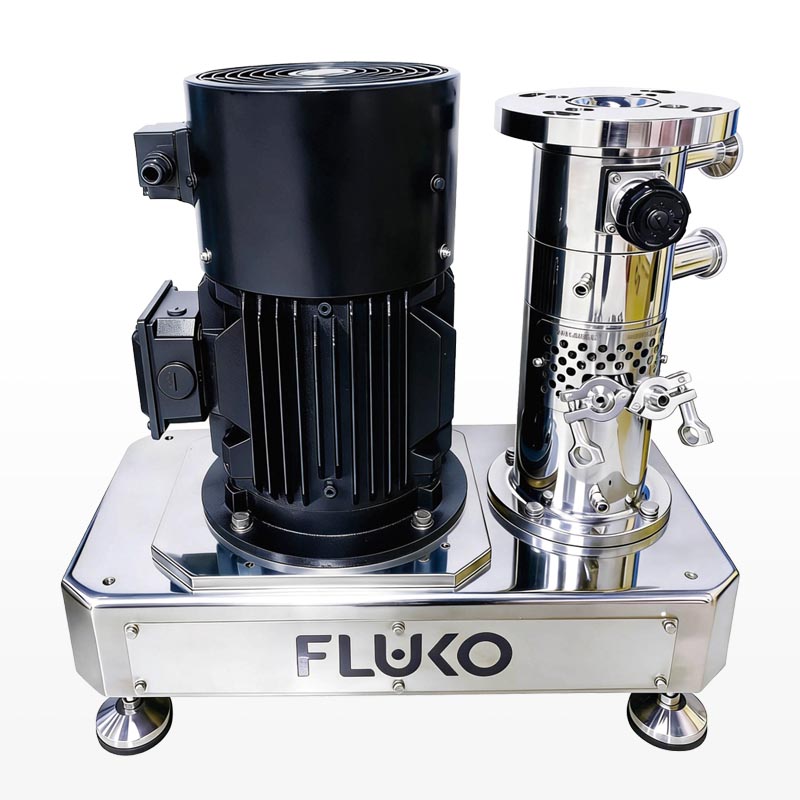
Where money and engineering are actually moving
Buyers now demand clear metrics: faster homogenization without destroying product structure, lower energy per ton mixed, and designs that survive daily cleaning. Development teams prioritize modular retrofits, verified scale-up data, and ease of maintenance over flashy specs. Expect shorter validation cycles, more field instrumentation (flow, torque, dissolved oxygen), and material choices that resist fouling. These are not vague trends — they’re direct answers to the failures that cost weeks of production time.
Evidence, experience, and one field anchor that matters
I’ve overseen installations and trouble-shoots where a single circulation improvement cut rework by half; those field lessons matter. Manufacturers cite peer-reviewed mixing studies and trade reports when they redesign impellers or revise nozzle layouts. Real-world teams report frequent success when they test solutions under real load profiles — for example, field trials in the Houston petrochemical cluster revealed recurring circulation blind spots that were solved with targeted jet injection strategies. Practical tests and documented field fixes matter most when you evaluate a tank jet mixer for your plant.
Common mistakes that make a good specification worthless
Buyers over-spec machines for peak conditions they never reach. Engineers copy impellers from other chemistries without testing shear sensitivity. Maintenance teams accept designs that require specialized tools or long cooldowns. Alternatives—static mixers for low-viscosity blends, inline high-shear for dispersions, or rotor-stator units for tight particle control—work only when matched to the product’s rheology and the plant’s duty cycle. Skip the checklist; run a pilot with realistic feedstocks and durations.
Concrete priorities for product development and procurement
Start with measurable objectives: target mixing time, max allowable shear, cleaning cycle time, and expected solids load. Build prototypes that permit quick nozzle swaps and adjustable injection angles. Instrument early: record torque curves, pressure drop, and concentration uniformity during scale-up. Design for on-site serviceability—easy access to wet parts and common spare modules. Finally, require vendor-supplied pilot data under your conditions before committing to a reel-to-reel production change.
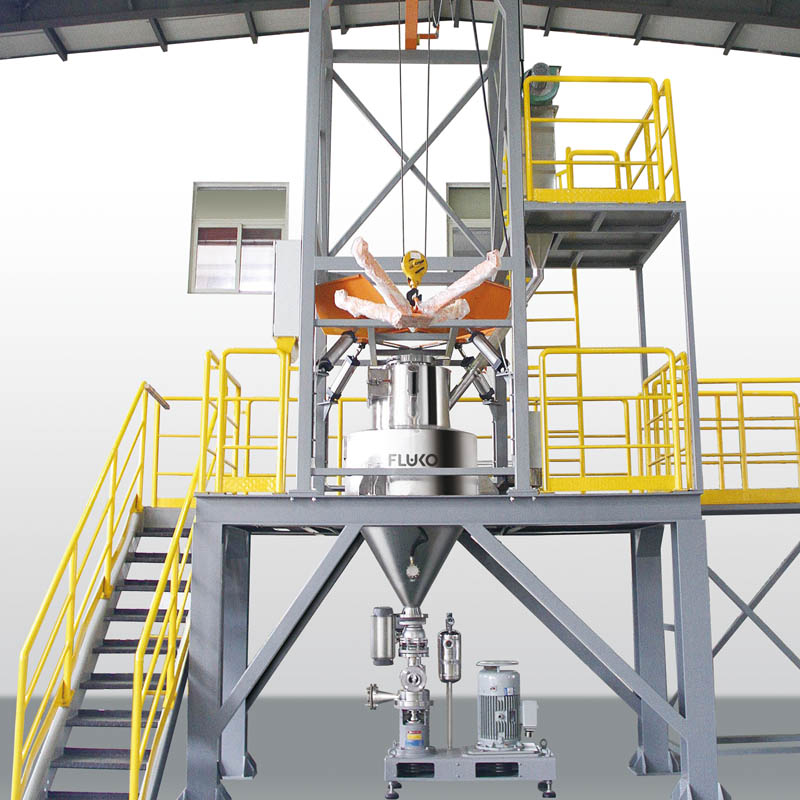
Close the gap between remorse and reliability
Decisions must land where the plant breathes: practical, proven, and maintainable. When failure stops being mysterious and instead becomes a set of tractable problems—circulation, shear, sanitation—you get products that last under pressure. The result is not marketing language but a chain of small, well-documented choices that add up to fewer surprises and more consistent output, which is exactly the kind of outcome engineers and shop managers recognize in FLUKO.