
A Small-Town Pocket Test
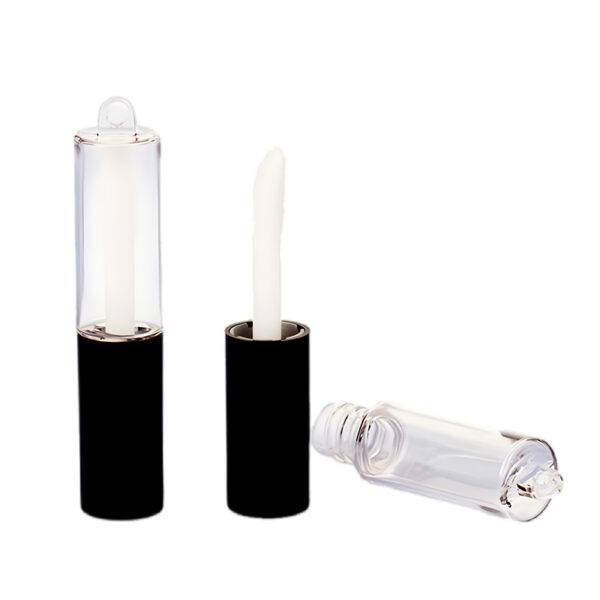
I was at the feed store checkout when my neighbor pulled a gloss from her jacket and laughed about the sticky cap. The clear lip gloss tube caught the light like fresh ice on a stock tank. She liked seeing the shade, sure, but she didn’t like the mess (who would?). Local shop notes and indie brand chatter say a fair slice of complaints come from leaks, cloudy plastic, or gummed-up wands. Some days it feels like the “pretty” choice asks a tax in cleanup time. So here’s the big question: does the see-through win, or do we pay for it in the long run?
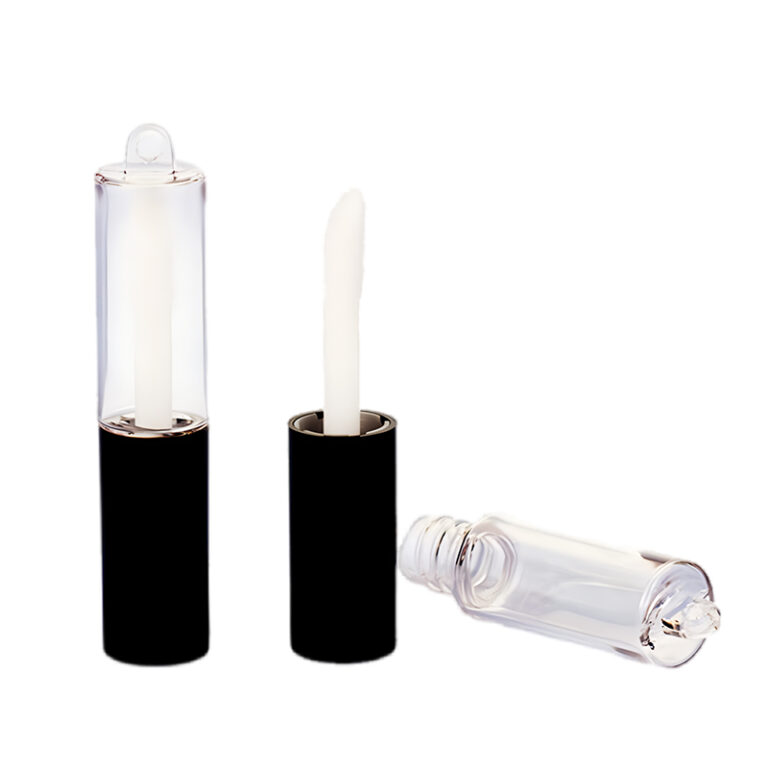
Where I’m from, we fix what squeaks and test what we trust. Numbers matter, even for makeup. If a cap backs off after a week in a hot glove box, that’s a problem. If the shade looks pale under store lights, that’s another. And if it cracks when tossed into a tack bag—well, that’s money gone. Clear tubes promise truth on fill and color. But the real story sits in how they seal, how they travel, and how they age in the sun. We’re going to lay it out plain, compare what counts, and see which choices hold up. Onward to the parts folks don’t see, but feel every day.
The Hidden Friction Behind a Shiny Finish
Why do “clear” wins come with messy trade-offs?
The glow is obvious, but the guts are where trouble starts. With clear lip gloss tubes, the seal depends on small things you don’t notice: the wiper fit, the cap torque, and how the gloss viscosity changes in heat or cold—funny how that works, right? If the wiper is a hair too tight, it scrapes too much and leaves streaks. Too loose, and it drips. Some clear walls can be a touch stiffer than tinted ones, so a drop test hits different. Clear looks honest, but it also shows every bubble and scratch. Look, it’s simpler than you think: what you see makes you judge faster, so even tiny flaws feel big.
There’s more. A bright shelf light can warm the container and thin the formula at the neck. Then the cap needs just the right bite to keep things put. Miss that, and you get slow weeping around the threads. A clear barrel also makes the fill line a scoreboard; customers count every millimeter and assume short fill if the wiper drags product up the wand. And when folks check shade at dawn, noon, and lamp light, the tube becomes the referee. If the plastic blooms or scuffs, trust takes a hit. The parts are simple, but the margin for error is small—and that’s the quiet pain point brands run into before the first review lands.
Looking Ahead: From Clear to Clever
What’s Next
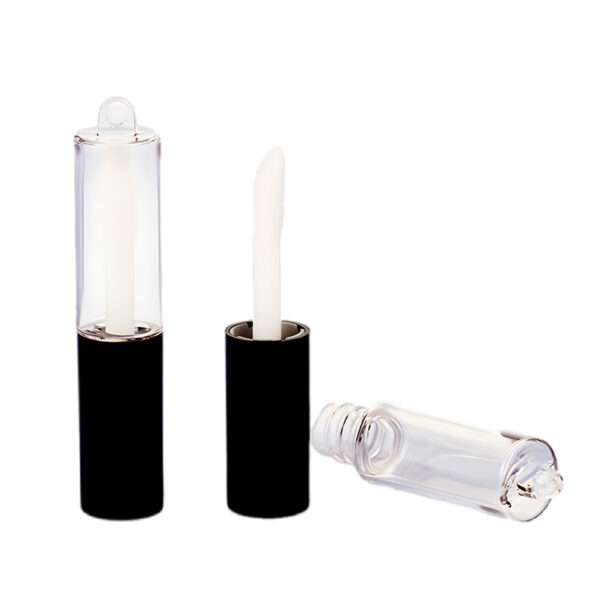
The next wave isn’t only clearer. It’s smarter. Think new wall chemistries that block UV without tinting, so color stays true while on-shelf heat doesn’t thin the formula. Micro-texture inside the neck can guide the wand and steady the wipe path—less smear, more repeat. Some teams now model cap force with sensors to hold consistent torque across lots, even when weather swings. At the clear lip gloss tube factory, digital checks tie mold drift to sealing results, catching a bad batch before it ships. Add simple barriers near the neck seat and you get fewer micro-leaks without bulky parts. Small changes, big calm.
Here’s how to judge the better path (no fluff, just field sense). First, seal integrity: ask for vacuum and leak results over a heat cycle, not just a room test. Second, applicator harmony: confirm wiper-to-wand fit stays steady after 200+ pulls, with no collapse or heavy drag. Third, material clarity that lasts: check haze and scratch scores after simulated shelf light and a bag toss. Those three keep shade honest, travel safe, and hands clean. We’ve weighed the shine against the scuffs, and the win goes to designs that treat clear like a system—tube, cap, wiper, and fill working as one. That’s the future: simple to the eye, engineered under the hood—and built to farm-tough standards. For steady guidance rooted in real builds, see NAVI Packaging.