
Why Choice Matters in a Paperless World
Let’s define the stakes. In a busy boardroom, slides change, mics pass hands, and every second counts. A paperless conference system trims clutter, syncs agendas, and keeps speakers in rhythm across rooms. Picture a town hall with hybrid guests: the chair taps “start,” documents appear on tablets, voting opens, and the minutes write themselves—no faff, no fuss. Teams often lose 10–15 minutes to setup lag, cable hunts, and reset rituals; that’s your coffee break gone, mate. If you scale that across a quarter, it’s days of lost focus. Now ask yourself: are we fighting the kit, or is the kit working for us (have a butcher’s at that)?
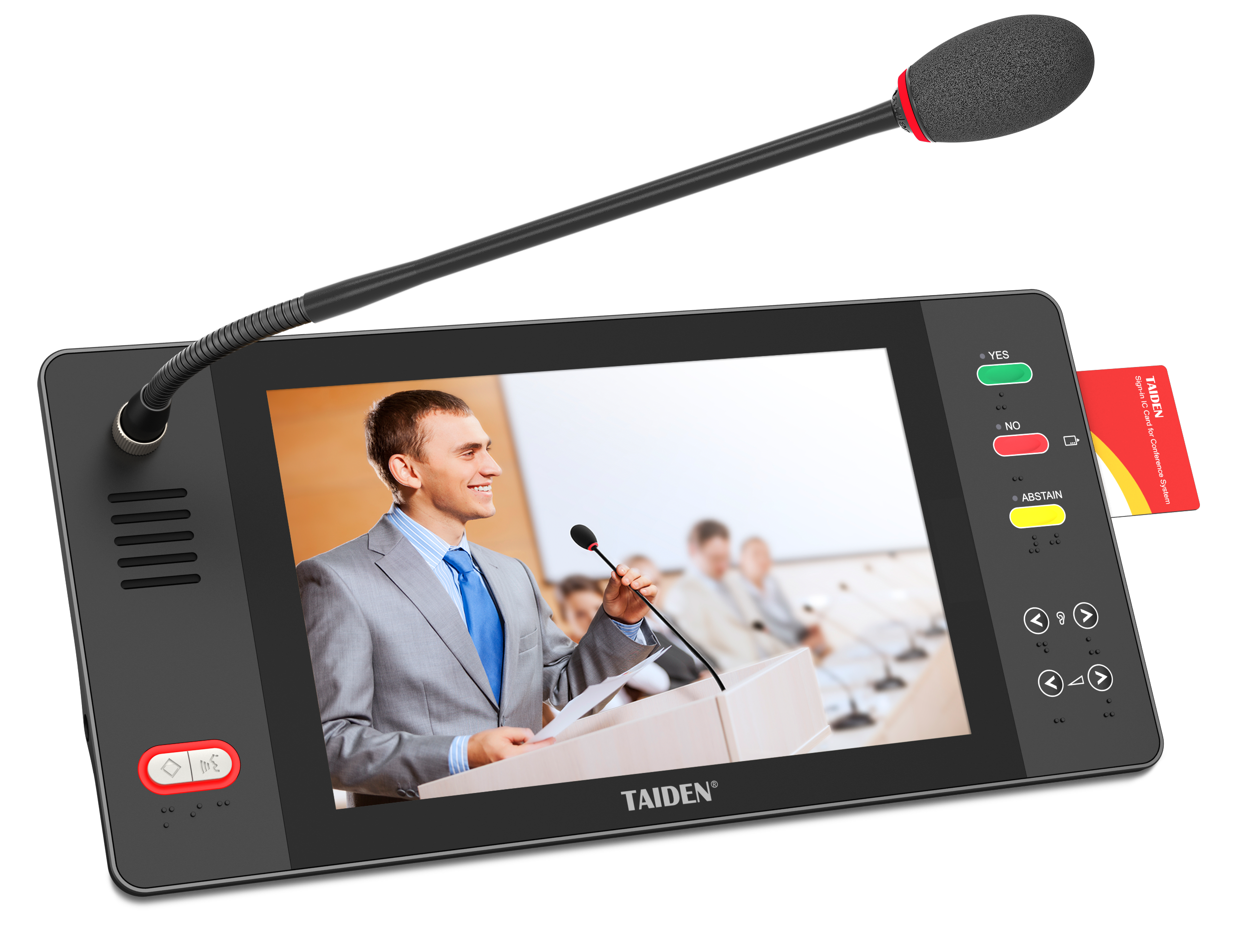
I’m talking clear flows, low latency, and stable audio paths, not a patchwork of apps that throw a wobbly mid‑meeting. In technical terms, a modern stack balances codec efficiency, DSP routing, and device orchestration so you don’t end up juggling two remotes and a panic dial on the dog and bone—funny how that works, right? The real test is simple: fewer taps, fewer errors, faster outcomes. And when stakeholders log in from afar, the load on the network should flex smartly without chewing through bandwidth. Right, let’s line up the telltale signs and see where the gaps hide.
Pain Points Old Rigs Hide—and the Smart Fix
Where do delays come from?
Legacy setups promise “it just works,” then sneak in friction. Paper printouts go missing. Mic queues clog. Firmware updates land mid‑briefing. You get jitter on the stream, and the chair loses the room. A smart multimedia meeting system tackles these nicks at the source. It unifies mics, media, voting, and docs in one interface, so the chair has one pane of glass. Edge computing nodes process audio close to the table, cutting latency and keeping the floor smooth even if the uplink hiccups. Built‑in redundancy means if one unit sneezes, the session stays right as rain—go figure.
Look, it’s simpler than you think. Traditional chains rely on too many hops: laptop to dongle, dongle to switcher, switcher to projector, projector to audio. Every hop means a point of failure and more power converters to babysit. That’s why you see desync, echo, or a codec mismatch. A tighter stack trims hops and lets the DSP map audio paths with rules the chair never sees. It also puts role control, sign‑in, and agenda sync in-app, so late joiners stop derailing flow. Users don’t want “more features.” They want fewer places to get lost—and a meeting that starts on time, every time.
What’s Ahead: Principles Powering the Next Wave
What’s Next
Comparing platforms isn’t about shiny menus. It’s about engineering choices that hold up under pressure. Next‑gen designs push orchestration closer to the room and keep policy in the cloud. That means secure caching, fast handovers, and graceful failover. Think of it as lanes on a motorway: QoS guards speech, media takes its lane, and control signals never get stuck behind a lorry. The same backbone links to conference room av solutions, so displays, mics, and translation units behave like one system, not rivals. And when hardware shakes hands with software—DSP profiles, power states, and role presets—you get fewer surprises, fewer reboots, and less finger‑pointing on who broke what.
From here, plan with three hard metrics. First, time‑to‑floor: measure minutes from room entry to first clear word (no tap‑dance on cables). Second, resilience under stress: simulate network loss and count how many functions keep rolling—speech, voting, share, record. Third, lifecycle clarity: track updates, rollbacks, and audit trails, so changes never blindside a live council. These keep you honest about reliability, not just demos. We’ve moved from “does it turn on” to “does it govern the flow,” and that shift brings better outcomes for chairs, clerks, and guests alike—funny how the quiet bits decide the whole show, right? For context and deeper reading on integrated meeting tech, see TAIDEN.