
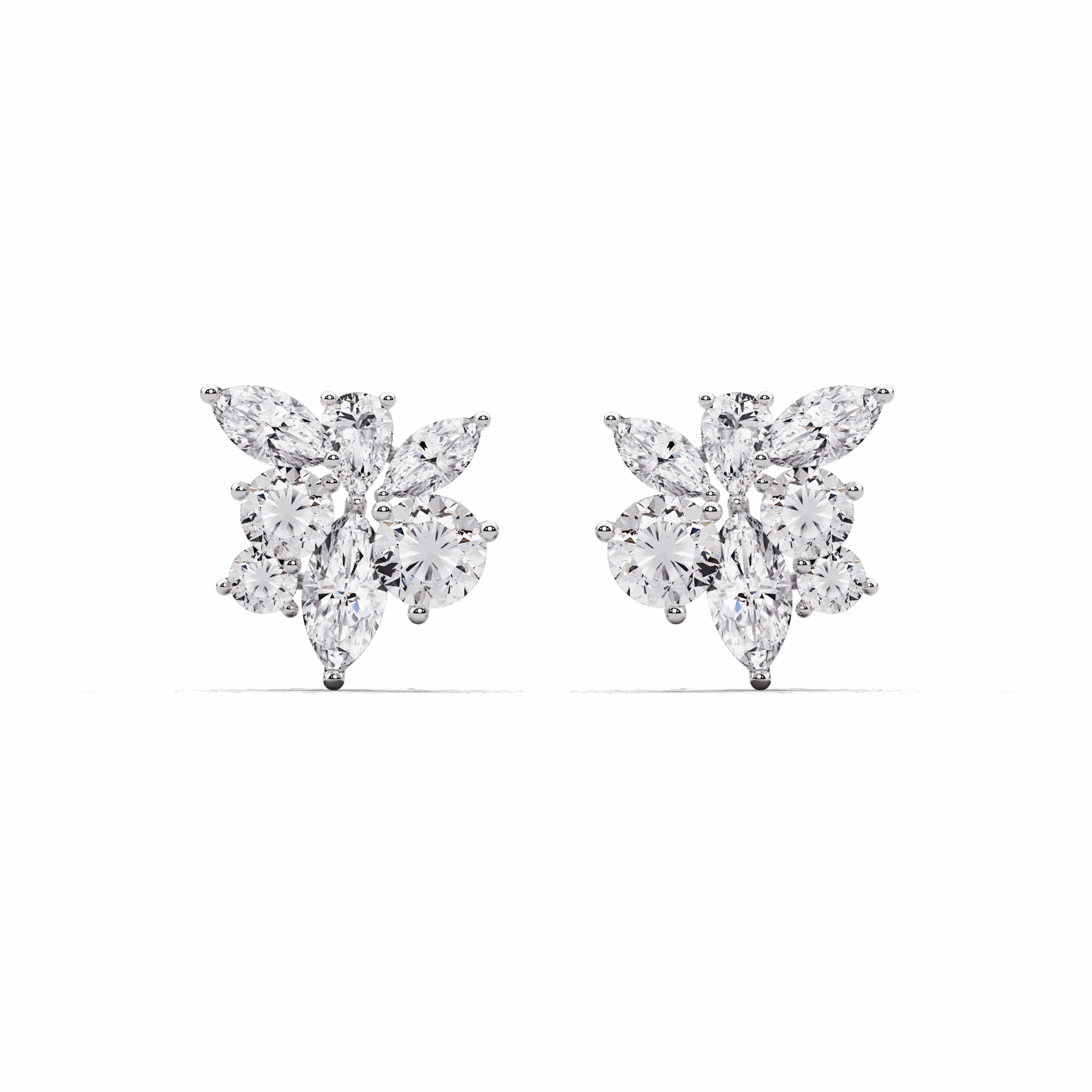
A Quick Reality Check Before You Buy
You walk into a boutique on a warm arvo, see a glittering ring, and think, that’s the one. Many shoppers feel the same pull toward classic jewelry pieces, especially when a sleek marquise catches the light. Yet about one in five buyers later say the ring doesn’t sit right under daylight or phone flash—awkward. Here’s the thing: a marquise cut diamond can be brilliant, but it has quirks that need a calm, clear head. Think symmetry, crown angle, and how your finger shape plays with the stone’s long silhouette (no worries if that sounds technical). Do you know how the bow-tie effect can change a stone’s look from room to room? Or why prong placement can make the tip look sharper—or softer—than you expected? Let’s compare what you expect with what actually happens, and ask better questions before you tap the card. On we go to the real traps and how to avoid them.

The Hidden Pitfalls Behind the Marquise Allure
What do buyers miss?
Let’s get technical for a tick. The marquise shape amplifies small issues because of its length-to-width ratio. If the table percentage is off or the crown angle is too shallow, you’ll see a darker “bow-tie” across the centre. That’s not a defect—just light physics. But it can dull the face-up look. Girdle thickness at the tips matters too; thin girdles chip more easily under tight prongs, while very thick girdles add weight without visible size (you pay in carats, not sparkle—funny how that works, right?). Look, it’s simpler than you think: ask for the symmetry grade, tip protection style (bezel or V-prongs), and whether fluorescence makes the stone look oily under sun. Those three checks catch most headaches before they start.
Hidden pain points don’t stop at the stone. A slim band can twist because the marquise has an off-centre centre of gravity. If the head is set high, it snags knitwear; if it’s low, it can mute light return. Pavé shoulders look lush but can fight with the stone’s outline, so your eye can’t “read” the shape cleanly. Even the alloy choice matters: white gold often needs rhodium plating to keep that cool colour, while platinum holds prongs better over time. And here’s a quiet truth: returns often come from expectations vs lighting. Boutique spots use bright, directional LEDs. Your home? Mixed light, lower lux. Always view your ring by a window and under warm downlights before you commit.
Sharper Choices Ahead: Tech Meets Taste
What’s Next
Now for a forward look, with less guesswork and more proof. New imaging tools map light return, showing where the bow-tie appears and why. Think simple ray-trace models and ASET-style views that colour-code how light enters and exits the stone. It sounds heavy, but it’s user-friendly: green for good spread, red for strong return, blue for contrast. With a few phone photos—front, side, and 45 degrees—you can compare marquise options side by side, just like filters for a photo. This helps you pick pieces that play well with simple classic jewelry staples you already own (studs, tennis bracelets, a clean bezel pendant). Semi-formal look, minimal fuss, and you keep the drama where it belongs: on the stone.

Settings are getting smarter too. CAD lets jewellers tune prongs so they hug the tips without crowding them, while keeping a low snag profile. Micro-adjusted seat angles improve light entry at the crown and reduce bow-tie visibility in normal rooms. Even better, you can compare two heads—V-prong vs partial bezel—and check spread to carat weight in seconds. That means fewer returns, fewer resize cycles, and better day-to-day wear. In short, we’ve moved from “hope it sparkles” to “prove it with light maps” (about time). Here are three quick metrics to steer by: 1) light return score across the centreline; 2) symmetry ratio tied to your finger size, so the stone doesn’t overhang; 3) fit tolerance—prong coverage vs girdle thickness—to cut chips and keep polish longer. Do that, and the marquise looks sharp on Monday and just as good on Friday night—no worries. Learn, compare, and pick what suits your hand and your life. For a thoughtful starting point, see Vivre Brilliance.