
Why Smart Comparison Beats Fast Buying
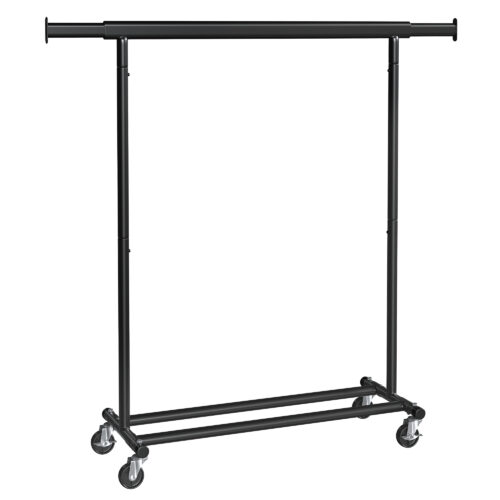
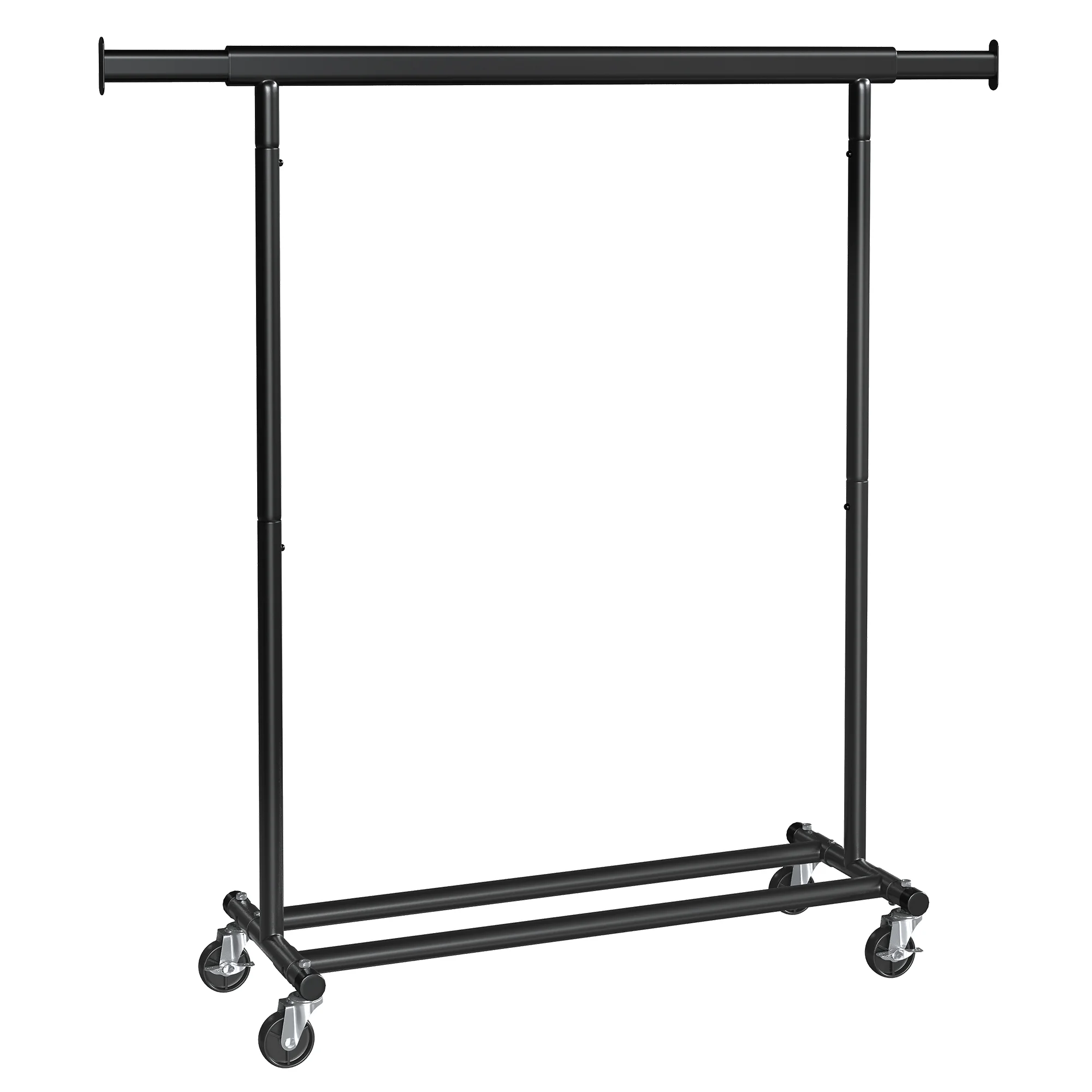
You can pick fast. Or you can pick right. Working with a clothes rack manufacturer looks easy until a rush order hits and your floor goes silent. Picture this: your promotions spike, cartons pile up, and a china garment racks manufacturer promises 20-day lead time while a regional vendor says 14. Last season, returns were 4.6%, mostly bent uprights and chipped finish; warehouse idle time climbed 12%; and your team logged five extra hours a week on rework (tiny parts, big pain). So why do two near-identical quotes perform so different after the PO? Is it the metal, the weld, or the box? The answer hides in how you compare. In the specs you trust. In the tests you skip. And yes, in small choices like caster grade and powder coating line speed. Let’s break it down—clean, simple, and practical—so your next buy scales without drama.
Hidden Friction Points You Don’t Catch in an RFQ
Where do specs lie?
We love neat drawings. But a single static spec rarely tells you about real load. The weak link is often tolerance stack-up across tubes, fasteners, and casters. Look, it’s simpler than you think: two carts, same drawing, different jig rigidity, and you get different wobble. Ask for jig photos, torque spec logs, and first-article dimensional maps. Request dynamic load rating, not just static. A quick FEA plot plus a basic swing test will reveal flex before you ship 3,000 units—funny how that works, right?
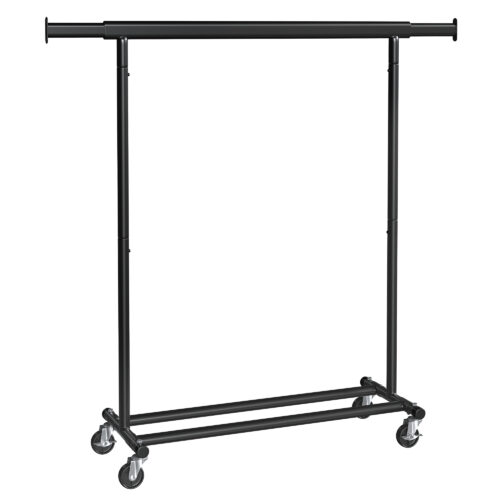
Finish is another silent cost driver. Powder thickness can pass a gauge yet fail after transit. Specify salt spray test hours (ASTM B117), not adjectives. Check oven curve data, not just color chips. For materials, insist on cold-rolled steel certs and batch traceability. Packaging? Make them run a 10-drop test from 1.2 meters on the master carton and send video. Layer in an ISO 2859-1 sampling plan for QC so you measure, not guess. And do not ignore assembly time on your side; a minute lost per unit turns into days. The classic RFQ misses these process signals. Your checklist should not.
What Better Looks Like Tomorrow
What’s Next
The better comparison is forward-looking. Not only price-versus-lead time, but process proof. Ask how the line captures data—torque logs, vision checks, and gauge R&R for critical welds. Many plants now run edge computing nodes on the powder coating line to track cure window and reject parts before packing. When a clothing rack manufacturer shares their SPC dashboards and traceability tags, your risk profile drops. Semi-formal, yes, but clear: data beats promises. You want load curves over static numbers; you want carton compression tests over “strong box” claims. And when they show real-time downtime Pareto? That’s signal. (It means they solve before you feel it.)
Then, think integration. Can they sync ASN and labeling to your WMS? Can they pre-kit hardware to cut your assembly by 40 seconds per unit—yes, really. Ask for a pilot: 200 units, full packaging, route through your last-mile. Measure carton scuffs, count missing fasteners, time the build. If they will iterate the jig and revise torque specs after the pilot, you found a partner, not a price. Compare two suppliers on iteration speed, not only on quote speed. That is where resilience lives. And resilience pays back during peak demand, when returns hurt the most.
To choose well, use three metrics that travel with you, from factory to aisle: 1) Process capability you can see—SPC charts, oven curves, and documented torque control; 2) Field durability you can test—dynamic load rating, salt spray hours, and drop-test video; 3) Total landed effort—assembly minutes, defect rate under an ISO 2859-1 plan, and label/WMS fit. Score each on a 1–5 scale and run a simple weighted average. The “cheaper” bid often loses when time, scrap, and rework enter the math—funny, but consistent. Share the score with your team, adjust weights, and lock your next award with eyes open. Learn fast, then learn forward. SONGMICS HOME B2B