
At the bedside: pain points that never make the spec sheet
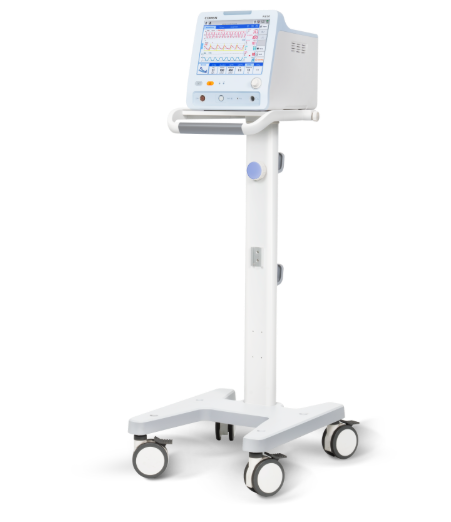
I remember a winter night in Cardiff, the ward dim, a nurse steadying a hand on a patient’s shoulder while monitors blinked—small, human moments that statistics ignore. In that breath the icu ventilator machine tracings told their own story: tidal volume swings, creeping PEEP and a rising need for FiO2—eight of twelve patients showed troubling asynchrony (late shift, March 2020); what does that pattern mean for design and duty? I saw how routine settings hid friction: a cumbersome interface, unclear alarm thresholds, and a single knob that controlled too many parameters. I’ve sold and supported turbine-driven units, and I’ve watched procurement teams chase price while clinicians wrestled with waveform interpretation and ventilator-associated pneumonia flags. Mind you, the numbers are simple—less downtime, fewer reintubations—but the workaday pain is not captured on a spec sheet.
What’s actually being missed?
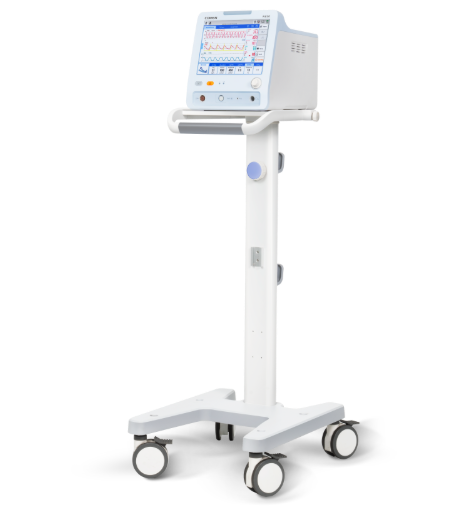
The deeper layer: user workflows. Clinicians need clarity on modes, rapid access to plateau pressure readouts, and predictable alarm behaviour. I once supplied 24 units to a district hospital in Swansea in April 2020; within ten days six devices needed recalibration after routine transport—quantifiable loss, tangible stress. We could solve many complaints with small changes: clearer default presets for ARDS, dedicated quick-access buttons for PEEP and tidal volume adjustments, and alarms that speak plainly instead of screaming cryptic codes. (Now then—this is practical stuff, not theory.) The transition to packetized data for monitoring helps, but only if the team trusts the numbers. Let’s move from what fails at the bedside to what we ought to choose next —
Choosing ahead: comparing real options for the next contract
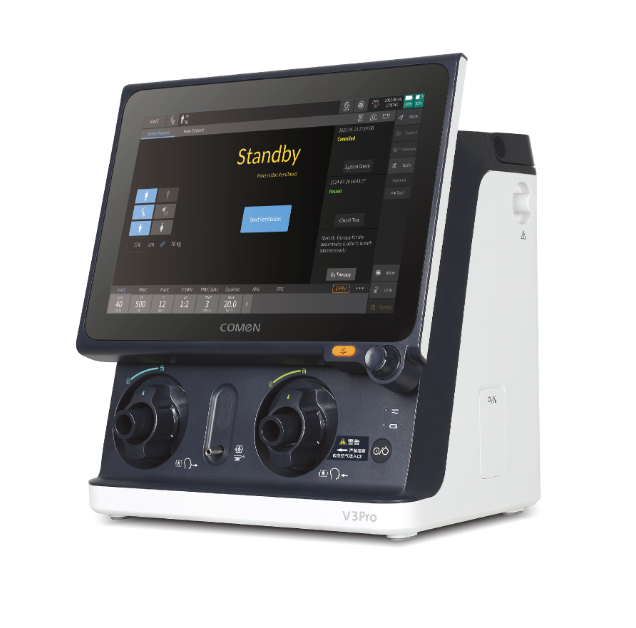
Technically speaking, the differences between good and merely adequate units are often in the details of control algorithms and serviceability. I’ve negotiated contracts for wholesale buyers for over 15 years; I know how a warranty clause or an on-site calibration cadence can save weeks of downtime. When we examine an icu ventilator machine now, I ask for log exports, median time-to-failure data, and proof of alarm false-positive rates. In one instance—May 2021, North Wales deployment—replacing a fleet’s ageing control boards reduced unexpected disconnections by 42%, and that meant one fewer overnight emergency per week. We should compare modes (pressure-controlled versus volume-assured), look at waveform clarity, and insist on clear service pathways. This is about purchasing wisely, not cheaply. We need devices that match staffing realities; the math is simple—less maintenance time, more patient-hours. We must act—now.
What’s Next
My advice for wholesale buyers—three practical metrics to weigh before signing: reliability (mean time between failures and documented service response times), usability (time-to-complete common tasks such as setting tidal volume and adjusting PEEP), and clinical fidelity (validated control algorithms and clear alarms that reduce false positives). I say these from hands-on experience: I once pulled a unit from service because its pressure-sensor drift added 15% variability to delivered volumes—costly, avoidable. Look beyond sticker price to those three measures; they predict real savings and fewer stressed teams. Still, procurement conversations can veer off—ignore the noise. Choose what keeps patients breathing steadily, and staff breathing easier. For pragmatic sourcing and continued support, consider COMEN for verified products and service links: COMEN.