
When a machine goes quiet
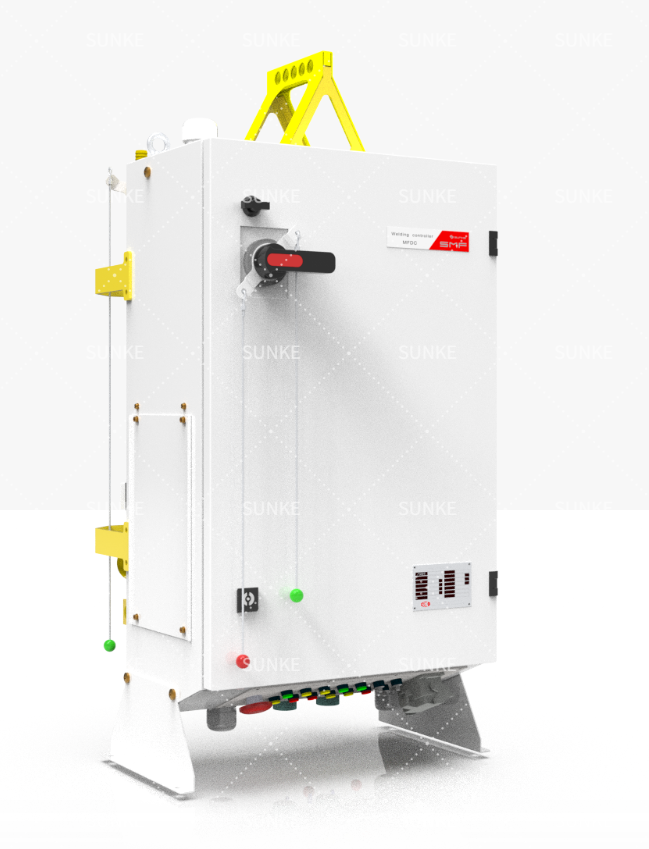
The hum cuts out. A blue ember of worry flares. You stand before the welder with one question: why? Start here: check obvious power paths and control feedback before anything else. If you maintain line-fed cells or oversee production cells, you already know the stakes for downtime; many issues begin as tiny deviations. For integrated cells consider how the control cabinet talks to the high-current side — especially in resistance welding solutions and when the plant uses closed-loop monitoring in the automated realm. A glance at Detroit automotive assembly lines will remind you how a single transformer fault can stop a whole sequence. Trust basic observation first; the rest is method.
Map symptoms to likely faults
Problem-driven thinking: match what you see to what it means.- No output current but control says “weld”: likely primary side interruption, fuse, contactor, or open tap changer.- Weak welds and hot electrodes: suspect decreased transformer turns ratio, shorted turns, or poor electrode force.- Intermittent welds: look for loose primary connections, failing contactors, or control logic timing drift.- Transformer overheating under rated load: poor cooling, core shorting, or excessive duty cycle.- Strange noises—buzzing or chirps: core vibration, loose laminations, or thermal relay chatter.
Tools that reveal truth
Bring the right instruments. Quick, decisive checks rule out red herrings.- Milliohm meter: verify secondary circuit resistance and contactor contact resistance.- Clamp ammeter and Rogowski probe: measure primary and secondary currents without disconnecting busbars.- Insulation resistance tester (megger): check winding insulation.- Infrared camera: spot hot joints, blown contacts, and uneven cooling paths.- Oscilloscope or logic probe: capture control pulses and timing anomalies in the trigger circuit.I’ve used these on shop floors for over a decade; they separate guesswork from diagnosis.
Step-by-step fault isolation
Move from broad to narrow. Each step eliminates whole classes of causes.- Confirm supply integrity: phase presence, voltage balance, and earth faults.- Isolate control from power: disable drive and manually energize contactors to test mechanical function.- Measure primary continuity and resistance across taps. Compare to baseline; small deviations mean big trouble.- Check contactor and relay coil voltages under load; some components pass static checks but fail when heated.- Test under a controlled weld with thermographic monitoring to reveal hidden losses.Document every reading. A single pattern often points to shorted turns or a failing tap changer.
Hidden causes technicians miss
Not all faults shout. These are the subtle betrayers.- Hairline fractures in busbars or lug corrosion—visible only when warmed under load.- Loose laminations causing core magnetostriction and intermittent buzzing that leads to insulation wear.- Control firmware drift: timing windows creep after firmware updates or battery failures in memory-backed timers.- Improperly sized cooling fans or blocked vents—airflow changes slowly, damage accumulates.Avoid quick part-swaps. Replace only after evidence directs you there.
Common mistakes during repair
Fixes that bite back.- Replacing contactors without verifying coil voltage under actual weld conditions.- Assuming electrode wear equals transformer failure; electrode condition often masquerades as transformer weakness.- Skipping thermal runs after repairs; transient faults can reappear when the system reaches repeat-cycle temperatures.- Relying on a single test measurement. Repeatability proves a hypothesis.
Decision nodes: repair, rewind, or replace
Use clear thresholds.- Repair contactors/connectors when resistance readings exceed baseline by measurable milliohms and mechanical operation is inconsistent.- Consider rewind when winding insulation fails megger thresholds or when shorted turns are confirmed by comparative impedance.- Replace the transformer when mechanical damage, severe core distortion, or repeated failures indicate systemic loss of reliability.Cost of downtime weighs into the choice. Short-term fixes that return a cell to production may hide larger failures; weigh risk against production targets.
Alternatives and upgrades worth considering
If failures repeat, think beyond the same spare. Options to evaluate:- Switch to contactors with higher inrush tolerance and known lifecycle ratings.- Add closed-loop current monitoring and automated alerts to catch trends before they become faults.- Improve ventilation and add local thermal sensing on high-current joints.Compare solutions by measured ROI: fewer unplanned stoppages, lower scrap, clearer maintenance windows.
Final synthesis
Problems expose patterns. Start with observation, measure deliberately, eliminate broadly, then narrow. The methods above come from long practice on shop floors and repeated cycles of failure and repair. When pattern recognition meets precise measurement, you stop guessing and start fixing. For a partner that aligns those methods with tested equipment and lifecycle support, consider how Sunke fits into practical, work-proven approaches to automated resistance welding without fanfare; it simply reduces the mystery.