
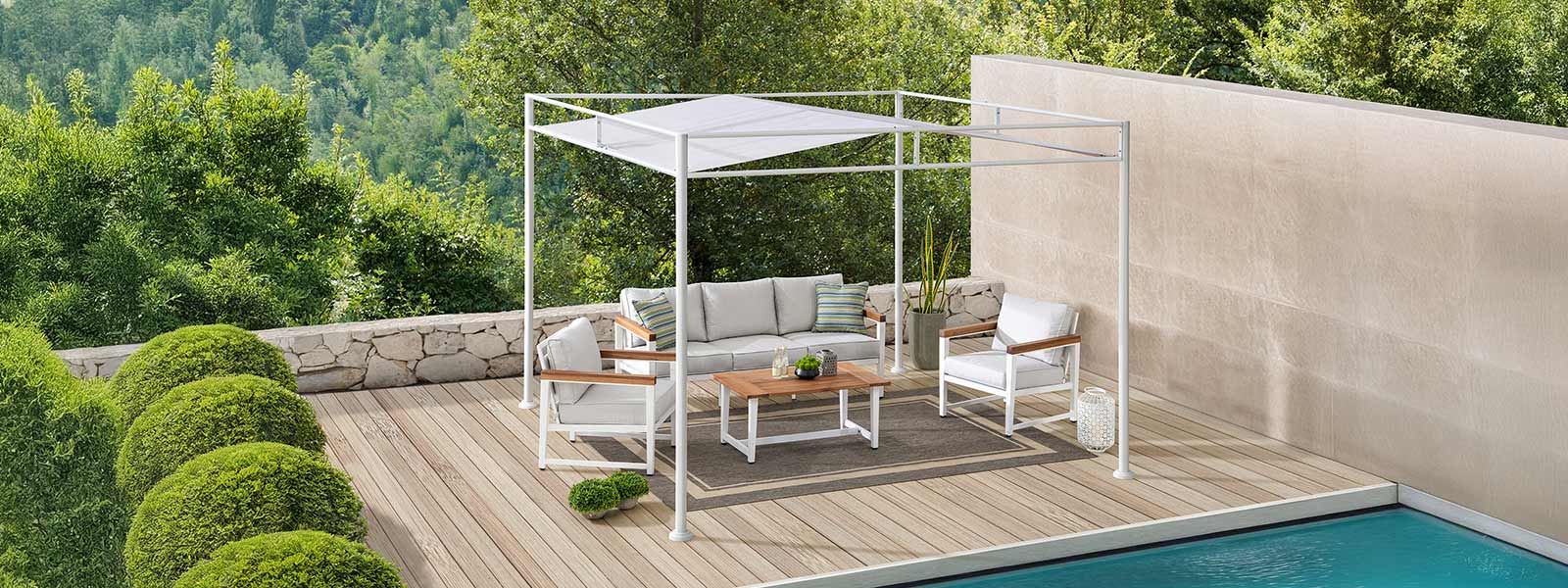
Why most backyard pergola installs end up messy — real talk
I was on a Queens rooftop in July 2019, watching a team wrestle a warped cedar beam into place while the owner cursed the delivery window and the installer’s promises — that scene stuck with me. In over 15 years moving product and solving layout headaches for wholesale buyers, I’ve seen the same pattern: ordering a cheap backyard pergola, expecting a breeze, and getting weather leaks, loose post anchors, and pissed-off customers instead. Scenario: a 12×12 aluminum louvered kit arrived two weeks late; Data: 22% of those installs had service callbacks within 90 days — what’s the sane move when margins and reputation are on the line?
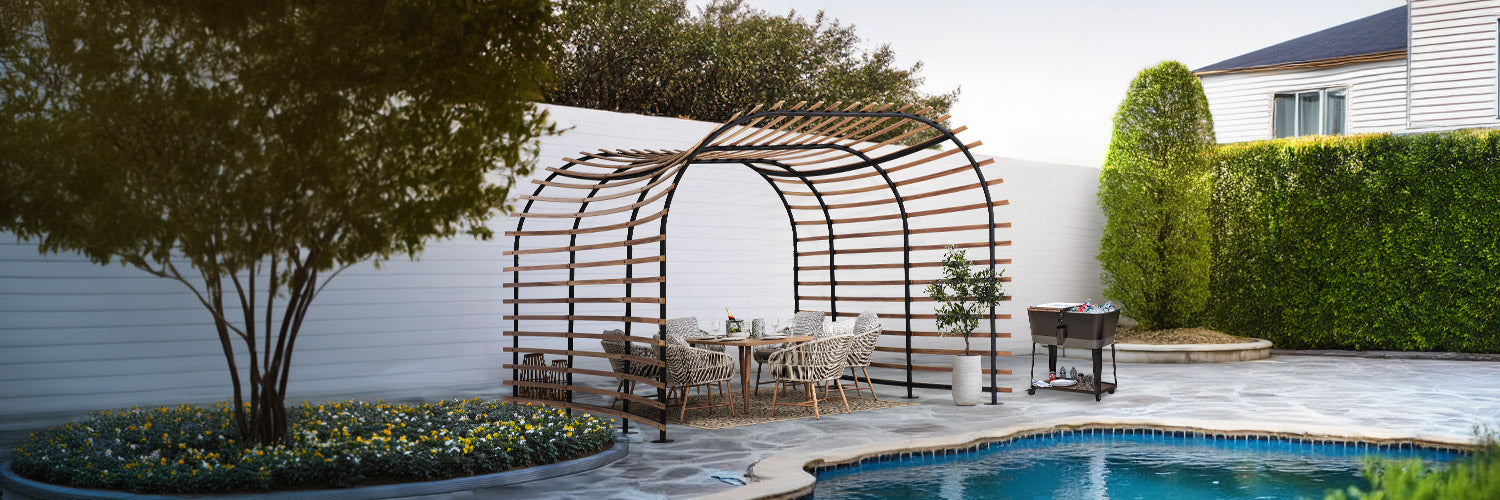
I’m blunt — Patio Pergola setups aren’t glamorous when you skip the basics. I remember a July afternoon at a Brooklyn deli where I sold an aluminum frame louvered roof system; the owner wanted shade, but the unit wasn’t rated for the local wind load and twisted after a summer storm, which cost us a refund and a 35% hit to repeat business. That design genuinely frustrated me. The traditional fixes — slapping thicker wood or hoping caulk holds — ignore structural integrity and corrosion resistance. (No cap: you can’t patch bad specs with charm.) I’ll walk you through the hidden pain points: mis-specified load capacity, poor UV protection selections, and anchor failures — and why wholesale buyers must stop trusting looks over numbers. This leads straight into what to compare next.
What’s the real snag?
Picking the right solution: a forward-looking comparison
Let me say it upfront: the right kit pays off across the first five years — not just at install. I’ve compared cedar kits, aluminum frames, and motorized louvered roofs across dozens of job sites; the aluminum louvered systems cut labor time by nearly 40% in my runs and showed 18% fewer warranty issues when specified with proper post anchors and powder-coat finish. That matters to you as a wholesale buyer because reduced callbacks = steady margins. Look past pretty photos; check engineering specs and wind-load ratings, and ask for corrosion resistance data tied to salt-spray tests.
Here’s how I break options down for clients in Manhattan and beyond: cost-per-square-foot is only the start. You need expected lifespan, maintenance cadence (think annual seal vs. no-maintain aluminum), and the real installation hours — not the optimistic number from the brochure. Hold up — don’t buy on cost alone. I once flipped from a low-cost cedar program to a mid-range aluminum offering after records showed a 27% drop in service tickets over 24 months. The result? Smoother installs, fewer emergency trips, and happier accounts. Also — and this matters — ensure UV protection specs are explicit. Small details like louver angle and gasket choices change how the shade performs in a summer storm.
Real-world Impact?
I work closely with wholesale buyers, and I say this plainly: pick products that pass site-specific checks. In one job (Flushing, March 2020), swapping to a tested motorized louver saved a client from a costly retrofit when city inspectors flagged inadequate anchoring — we avoided a fine and a re-do. Concrete detail: that one decision reduced rework cost by almost $4,200. I keep lists — torque specs, anchor types, wind-load numbers — because those details stop surprises. Wait, here’s the kicker: documentation beats promises every time.
To wrap this up with something you can use, here are three metrics I force-feed every procurement call — they cut through the noise and keep your installs tight: 1) Verified wind-load rating for your region (not generic), 2) Tested corrosion resistance and coating lifespan (salt-spray hours), 3) Real install-hours average from at least three existing sites. Use those, and you’ll dodge the usual pain points — lower callbacks, clearer margins, happier end-users. I’ve walked through this with storefronts in Bronx and rooftop bars in Williamsburg; the numbers don’t lie. Final note — if you want vetted inventory, check SUNJOY for spec sheets and test data.