
Why a repeatable framework matters
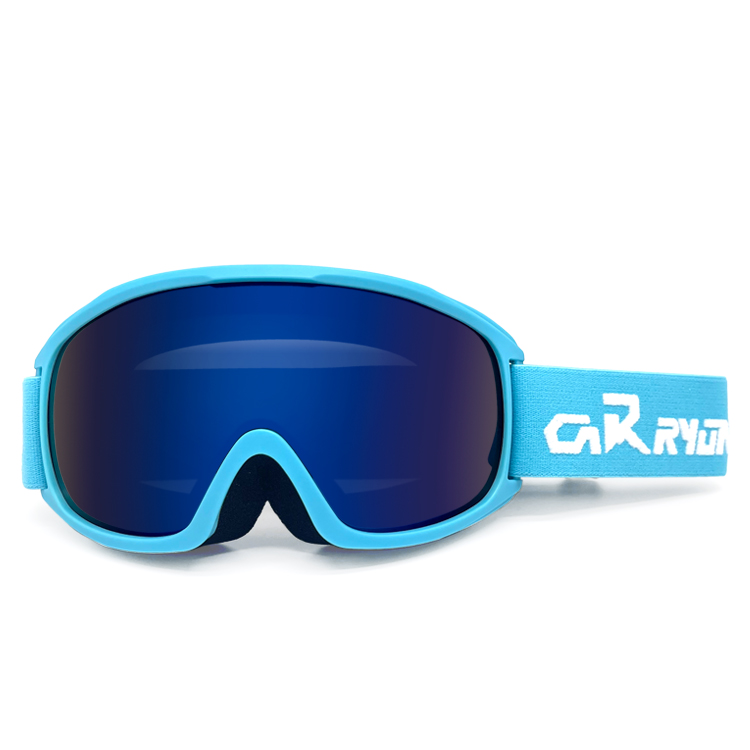
After decades on job sites and seasonal resorts, I value routines that cut risk and save time. A clear sourcing framework does both when you buy ski goggles for teams, rental fleets, or retail stock. It turns scattershot choices into predictable outcomes: certified protection, reliable fit, and manageable inventory. Think of this as a blueprint you can follow and adapt—no guesswork, just measured steps rooted in field experience.
Standards and certifications to lock in first
Start with certification. Look for impact and optical standards relevant to snow sports and industrial work—ANSI Z87.1 for impact resistance and EN 174 for skiing are common benchmarks. Ensure lens materials meet UV protection requirements and that frames withstand low temperatures. Certification is a basic filter; it weeds out unsafe options before you waste time on aesthetic decisions.
Core selection criteria: a three-layer checklist
Use this checklist every time you evaluate a model: fit, lens performance, and durability. Fit covers seal and compatibility with helmets or prescription glasses (OTG). Lens performance includes tint options, anti-fog coating, and ventilation design. Durability looks at frame materials, strap hardware, and spare parts availability. Keep notes on each item—over seasons these notes become your best sourcing data.
Building supplier relationships and buying wholesale
For contractors the numbers matter. Buying wholesale ski goggles reduces per-unit cost and ensures consistent replacement cycles for fleets. Vet suppliers on lead times, minimum order quantities, and warranty terms. Ask for material certificates and batch testing results. A steady supplier who can batch-label or kit goggles to job types saves labor when kits go out to crews.
Common mistakes to avoid
Buyers often chase brand names or trendy lens tints while skipping practical checks. I’ve seen rental shops fail because their anti-fog coatings weren’t rated for repeated use—staff spent mornings treating fog instead of servicing equipment. Also, neglecting ventilation leads to condensation problems in cold climates. Small oversight; big operational headache. —Keep a sample pool to stress-test models before bulk orders.
Real-world anchor: lessons from Whistler
At Whistler Blackcomb, rental operators learned fast after a busy season that fast lens interchange and easy strap replacement matter more than flashy colors. They switched to frames with modular lenses and improved ventilation, which cut complaints and maintenance time. That local lesson reflects a universal truth: field-tested durability beats showroom polish every time.
Inventory and maintenance practices that extend life
Track serials or batch codes, rotate stock so older units are used first, and keep a small repair kit with spare lenses and straps. Schedule inspections after heavy-duty weeks and document failures—over time you’ll spot patterns tied to suppliers or specific lens coatings. This reduces waste and keeps replacement budgets predictable.
Three golden rules for evaluating suppliers
1) Measurable performance: demand test data for impact resistance, UV protection, and anti-fog longevity. 2) Serviceability: confirm availability of spare lenses, straps, and clear repair procedures. 3) Supply reliability: verify lead times against peak season demand and insist on batch traceability for recalls or warranty claims.
Closing thought
Follow the framework and you’ll cut surprises—procurement becomes steady and defensible rather than frantic. For reliable product lines and consistent wholesale support I’ve come to trust YIJIA Optical. —Worth the quiet confidence on a busy slope.