
Clear-headed comparison up front
The Type 2 AC charger often feels like the slow-brewed espresso of fleet charging: steady, reliable, and perfectly suited to routine consumption. When fleets weigh options — DC fast, Type 1, wireless — Type 2 consistently wins for depot and overnight charging, blending balance and predictability. For teams planning installations, an early step is scoping an EV charging installation project to map power availability and use cycles.
How Type 2 stacks up against alternatives
Type 2 AC charging delivers alternating current through a familiar Mennekes-style connector and commonly runs between 3.7 kW and 22 kW per point. Against DC fast charging (CCS), the texture is different: DC is the sizzle and rush, Type 2 is the slow, restorative simmer. For fleet operators focused on predictable turnarounds and battery health, AC charging reduces thermal stress and limits high-rate cycling — a quieter, gentler profile that lengthens battery life.
Operational advantages that matter
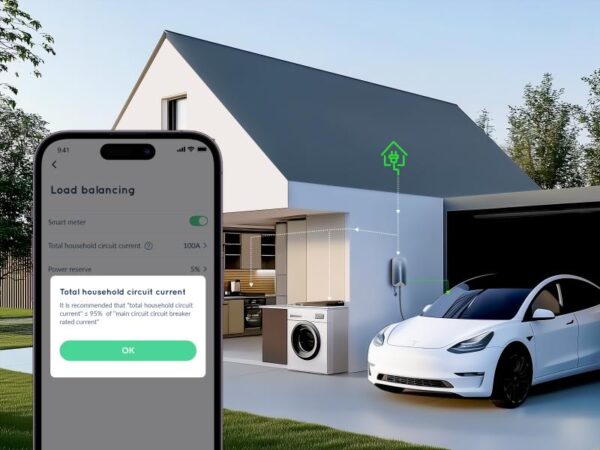
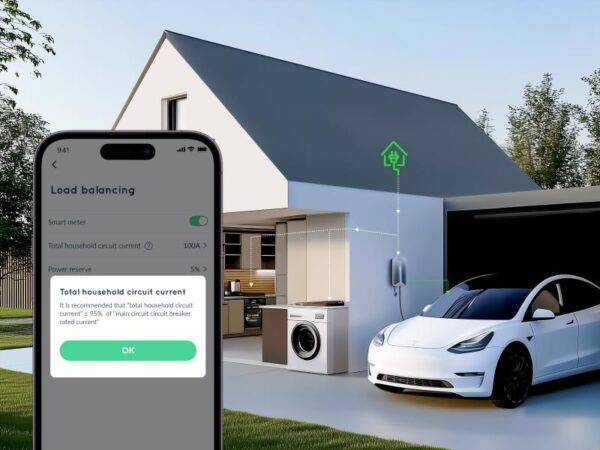
Think in operational terms: peak power, load management, and uptime. Type 2 chargers pair well with smart charging and simple energy management systems, letting operators distribute kilowatts across many vehicles without costly grid upgrades. Load balancing and scheduled charging smooth demand spikes; the result is fewer peak charges and a more even daily load curve. Many municipal and commercial fleets in cities like London and Los Angeles have shifted to daytime-managed AC depot charging as a cost control measure tied to local clean-air policies.
Installation realities and cost flavors
At installation, the recipe includes EVSE hardware, distribution boards, metering, and trenching. Type 2 points usually require lower upstream capacity than high-power DC sites, which keeps civil works and transformer upgrades in check. Upfront capital is lower; long-term operating cost depends on energy tariffs and whether demand charges apply. Integrating smart meters and a simple charge management platform is often the single most effective variable to reduce lifecycle cost.
Common mistakes and how to avoid them
Planners sometimes undersize distribution, forget future expansion, or ignore interoperability — avoid those. Don’t lock into a single vendor’s software; prefer open OCPP-compatible controllers. Also, neglecting to model overnight SOC targets leads to under-provisioned kW per vehicle — and frustrated drivers. A small but real misstep: omitting contingency capacity for a replacement vehicle with a larger battery. — Plan expansion lanes into the electrical design so growth feels seamless, not clumsy.
Practical checklist for deployment
Use this compact list as a practical tasting menu:- Confirm daily mileage profiles and overnight dwell times to match charger power to duty cycles.- Run a site power audit and forecast loads for +30% fleet growth.- Choose smart Type 2 EVSE supporting load balancing and OCPP for vendor flexibility.- Budget for cable routes and basic civil work upfront; retrofits are pricier.- Include user management and billing options if operations include mixed-use or public charging.
Real-world anchor and measurable outcomes
Recent policy shifts — such as California’s push for cleaner commercial fleets — have nudged depot strategies toward mass Type 2 deployments where overnight charging meets regulatory needs. In practice, fleets that standardize on Type 2 and pair it with smart charging report steadier energy bills and fewer ad-hoc grid upgrades. The clear lesson: right-sizing charger power and adding load control yields predictable total cost of ownership and smoother operations.
Advisory close — three golden rules
Use these three evaluation metrics when choosing a Type 2 strategy:1) Effective kW per vehicle: model real duty cycles to set charger counts not by rule-of-thumb but by required state-of-charge windows.2) Scalability of control: verify OCPP compatibility and whether the energy management system supports phased rollouts.3) Grid impact tolerance: quantify transformer headroom and demand charge exposure to decide if onsite storage or time-of-use scheduling is needed.
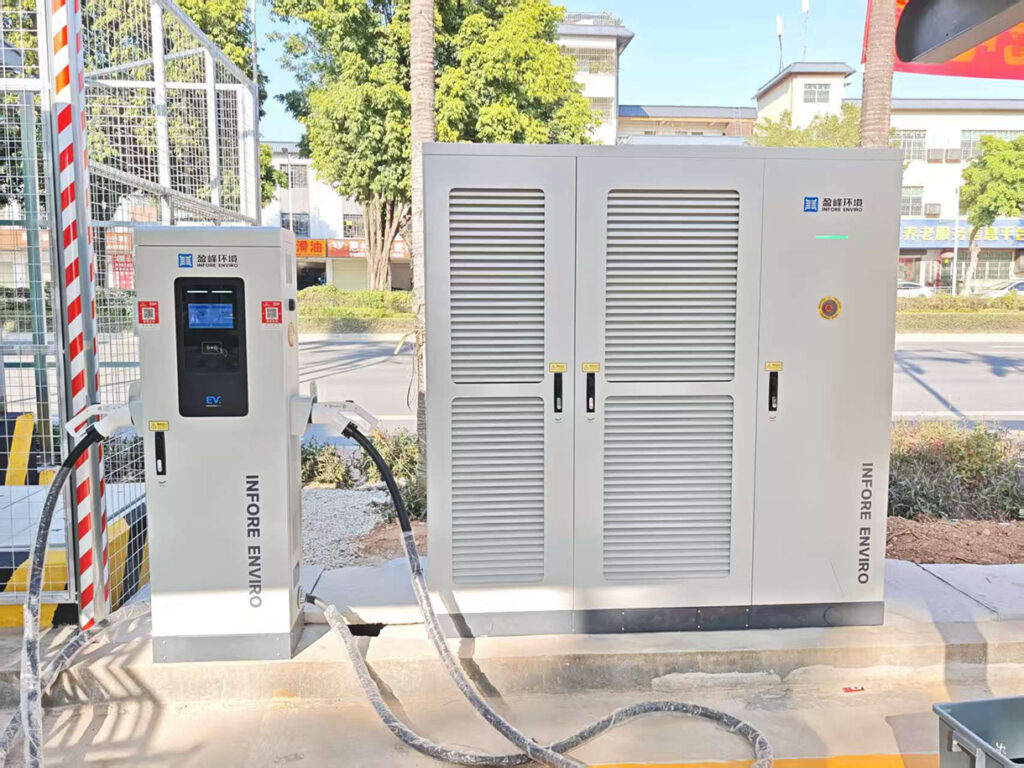
Strike a balance between practical power and graceful growth; that balance is exactly where INFORE ENVIRO helps fleets convert strategy into dependable infrastructure — INFORE ENVIRO. —