
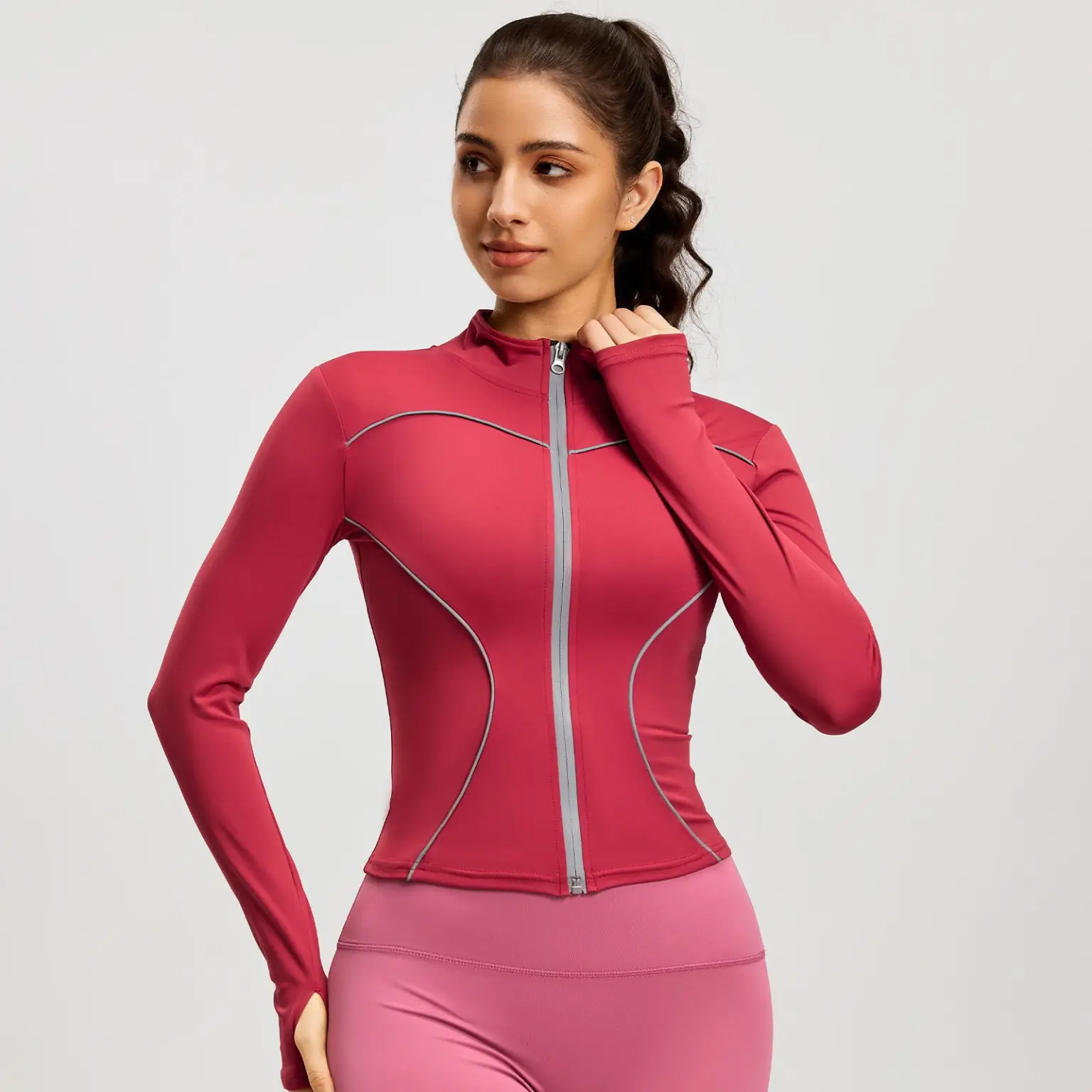
Comparative lead: why partner choice matters
When brands compare suppliers they rarely treat selection like an experiment, yet the variables—material, lead time, and quality control—behave like controlled conditions. In this comparative analysis I line up common tradeoffs so you can choose a partner that fits both product ambition and budget. Early on, think beyond logo placement and consider how a run of custom yoga jackets will perform in repeat washes and varied climates; those decisions change returns faster than a price discount.
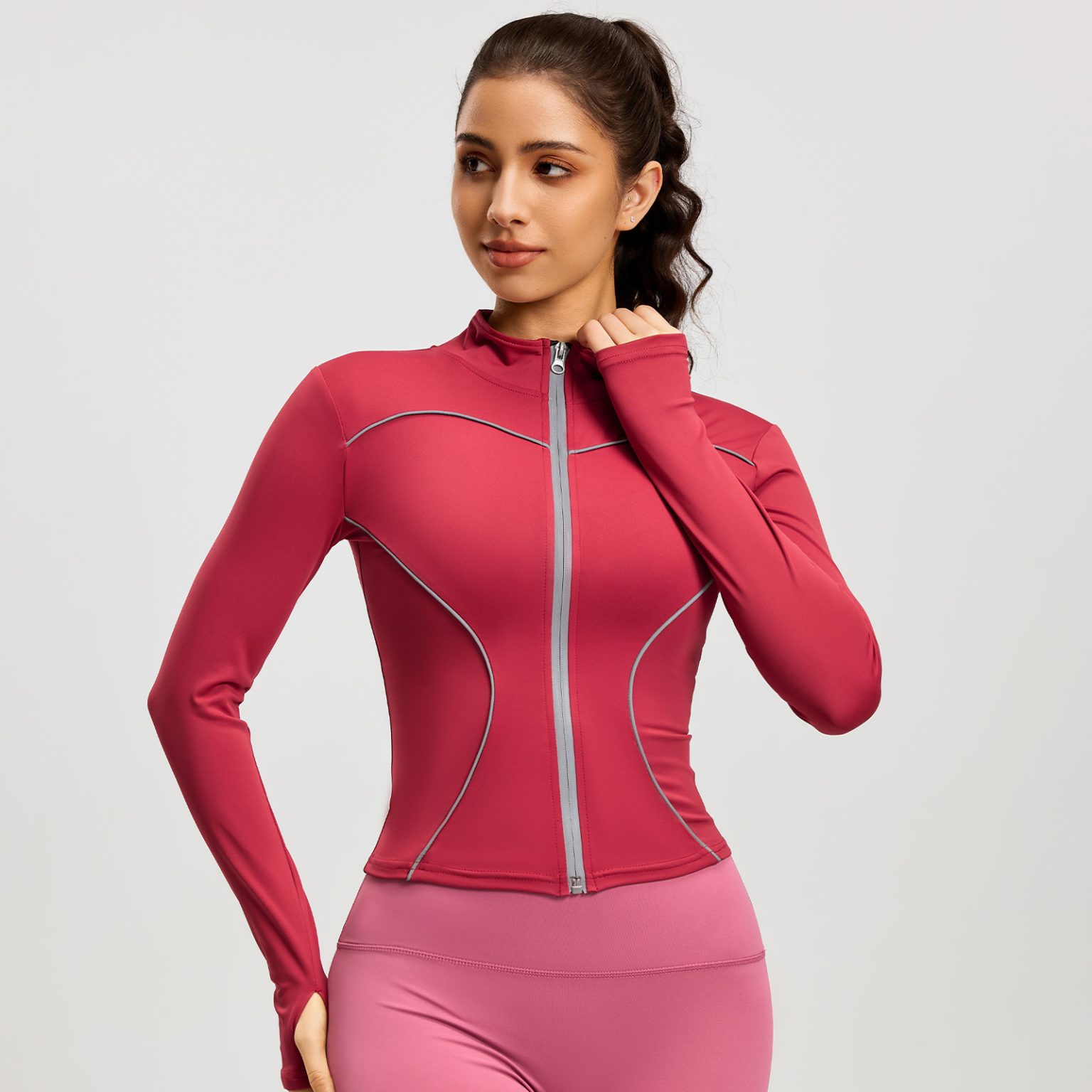
Material and construction: what moves the dial
Performance fabric choices—softshell panels, DWR treatments, and flatlock seams—define longevity and comfort. Suppliers often offer sublimation printing for full-bleed graphics or simpler embroidery; each method alters MOQ and unit cost. Compare two things side-by-side: a jacket with DWR and taped seams will keep shape and repel moisture; a cheaper knit will show pilling within weeks. On sourcing trips through Guangzhou and Shenzhen manufacturing hubs I’ve seen the same pattern: small tweaks in stitching specification translate into major warranty claims later.
Supply chain and cost structure
Price alone misleads. Ask for a transparent breakdown: fabric cost, cutting and sewing, finishing, and inspection. Bulk MOQ affects per-unit math; smaller brands pay more per item but reduce inventory risk. Consider agile production lanes that allow staggered batches—pay a small premium to avoid overstocks. For businesses exploring wholesale options, compare rates labeled as yoga jacket wholesale against real lead times. Often the lowest quotation omits sampling, size grading, or freight surcharges.
Design fidelity and prototyping
Design fidelity matters more than fast turnarounds. A single prototype run with proper pattern grading solves fit issues across sizes. Use tech pack precision: specify seam allowances, zipper types, and pocket dimensions. Real-world testing—three-week wear trials with instructors or athletes—catches problems that lab checks miss. This step costs time but reduces costly rework later, a lesson I learned during multiple wholesale negotiations when initial samples masked poor construction.
Quality assurance and common mistakes
Brands skip robust QA too often. Establish inspection checkpoints: pre-shipment fabric roll checks, inline seam audits, and final AQL sampling. Avoid these common missteps: accepting vague performance claims, skipping third-party lab tests when needed, and ignoring color-fastness protocols. Small brands also undervalue wash testing—wash cycles reveal dye bleed and shrinkage that visual inspections won’t. —It’s a simple omission that bites during first retail returns.
Comparative summary: choosing the right tradeoffs
Compare suppliers across five axes: material science, construction methods, lead-time predictability, transparency in costs, and post-sale support. Use hands-on samples to validate claims like DWR performance or seam strength. When you weigh suppliers, the best partner is rarely the cheapest; it’s the one that aligns with your risk tolerance and brand promise.

Three golden rules for evaluating partners
1) Measure real durability: require wash-cycle and abrasion test reports or conduct a 20-wash trial to confirm fabric and finishing claims. 2) Insist on a clear MOQ and staging plan: partition production into an initial test batch and a larger follow-up run to validate demand without overcommitting. 3) Lock down quality checkpoints: define AQL thresholds, require inline photos during production, and schedule a final inspection at origin. These metrics keep negotiation precise and losses measurable.
The right partner turns specifications into reliable product and predictable margins—Joebond sits where practical design, repeatable production, and honest cost structure meet to solve those exact problems. —A pragmatic fit, not an empty promise.