
Start where you are
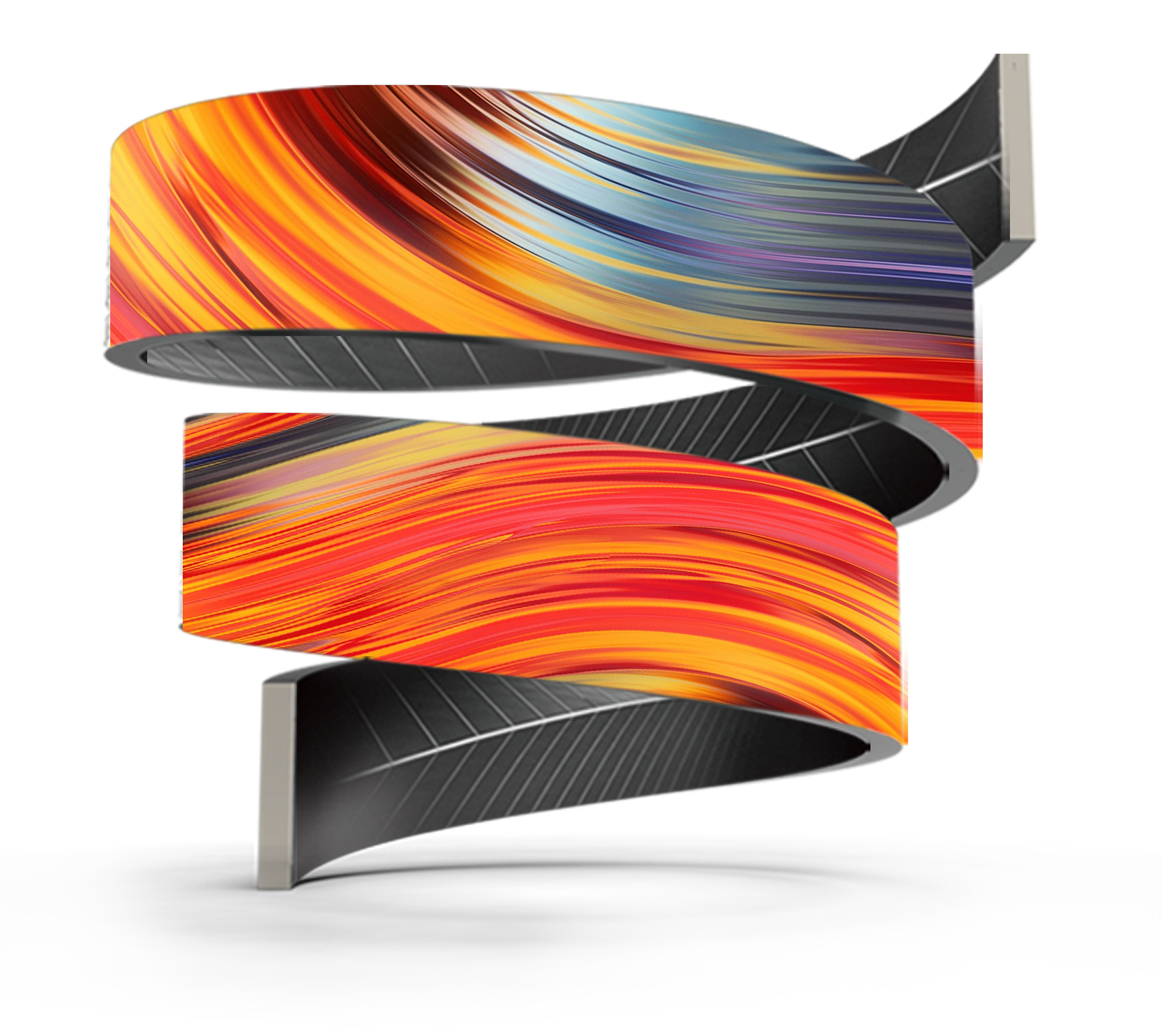
Tell me what you need—an indoor mural, a storefront façade, or a curved reception piece—and we’ll shape the steps so they don’t overwhelm. If you’re thinking about a curved lobby wall, a flexible led screen can be a forgiving choice: it hugs architecture, cuts weight, and simplifies concealment. Keep your goal simple. Define viewing distance, typical ambient light, and whether you need a permanent or temporary install. Those three facts steer every later decision.
Design choices that actually matter
Pixel pitch first. Match pixel density to how close people will stand. Pick brightness to handle daytime glare if the panel faces windows or streets. Choose cabinet size with logistics in mind—smaller tiles ease transport and alignment; larger tiles speed installation but need precise handling. Decide connectivity early: do you need single-cable simplicity or multiple inputs for redundancy? Make these choices with real measurements and photos from the site. Don’t guess.
Manufacturing and quality checkpoints
Prototype and test. Ask for a working mock-up that you can view in similar lighting and at the expected distance. Require burn-in (48–72 hours) and color calibration reports for every batch. Confirm environmental ratings—IP65 or better for outdoor exposures. Check thermal plans: heat kills longevity, so ensure the design includes ventilation or active cooling as appropriate. Insist on measured brightness and power-draw reports rather than optimistic specs. These checkpoints prevent late surprises.
Budgeting, lead times, and practical trade-offs
Costs split into three buckets: modules and LEDs, structural integration, and control electronics. Prioritize LED quality and power regulation if you must trim budget; cheap drives and poor regulation show up as flicker and premature failure. Expect prototyping to add 4–8 weeks and pilot production another 4–6. For OEM quantities, minimum order quantities and lead times affect price far more than minor spec tweaks. Plan a sensible contingency—small delays are normal; unplanned redesigns are expensive.
Experience, authority, and a clear anchor
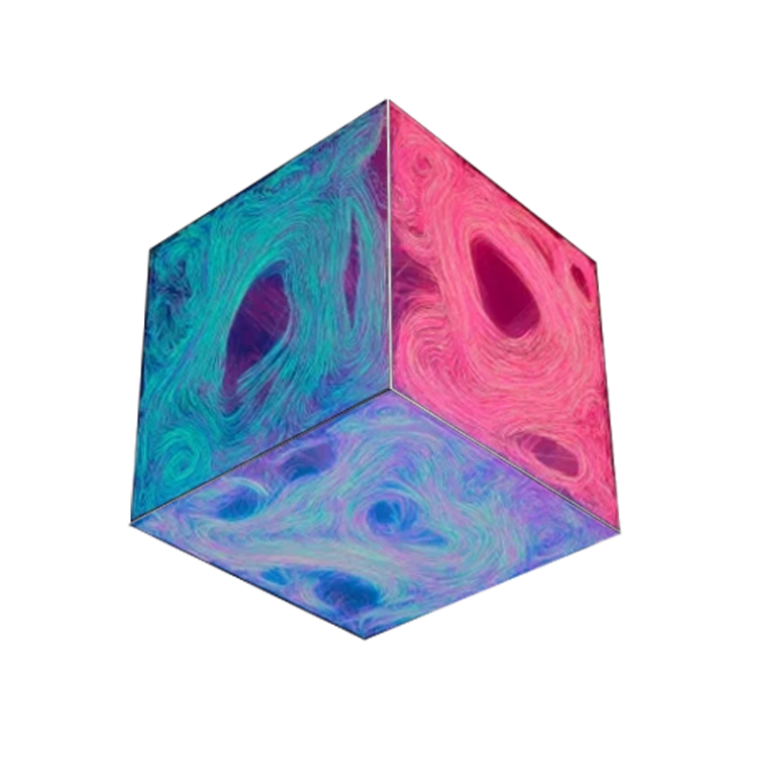
Years advising teams on display projects has taught clear patterns: durable assemblies, consistent testing, and honest specs win. Real-world installations—from municipal squares to flagship retail façades such as those in Times Square, New York—illustrate how sunlight, maintenance access, and local weather shape technical choices. If your brief involves creative, high-impact content, review examples of a led creative display to see how pixel pitch, refresh rate, and enclosure design alter perception. Trust teams that share test data, reference installations, and explain trade-offs plainly.
Common mistakes and simple fixes
Skipping a site survey causes mismatched brightness and unseen glare. Overlooking power distribution creates voltage drop and uneven brightness across seams. Ignoring thermal stress leads to faster color drift and pixel failure. Fixes are practical: measure on-site light levels, run cable calculations with margin, and demand mechanical drawings showing access for maintenance. If you’re weighing options, compare LED walls to projection and LCD: projection can be cheaper for very large, temporary images in dark spaces; LCD wins for small, fine-detail screens; LED is best for high brightness, outdoor use, or sculptural forms.
Bringing the project home
Keep decisions user-centered: measure, prototype, test, and budget for reality rather than hopes. When you want a partner that combines careful project stewardship with production know-how, the practical options offered by HDC often fit those priorities—solid data, test results, and real installations that help you finalize specs without guesswork.