
Facing the problem head-on
Paint that peels, runs that look amateur, and adhesion that fails after a season—those are the problems anyone who sprays metal confronts. Most of the time the fix isn’t a miracle product; it’s the right combination of material and method. Start by picking the correct spray paint for metal, then remove the real causes rather than chasing cosmetic quick fixes.
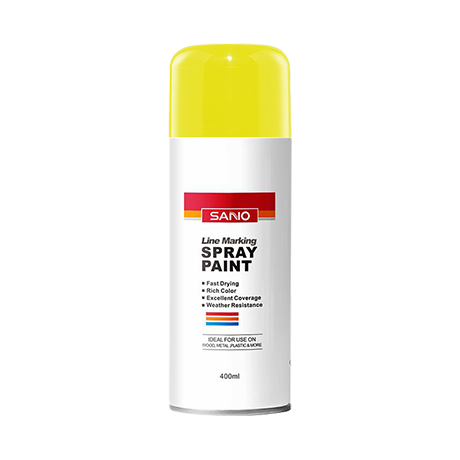
What’s actually causing the finish to fail
Poor adhesion usually traces back to five faults: oily or contaminated surfaces, inadequate surface profile, wrong primer, incorrect spray technique, and curing under bad conditions. Any single fault can wreck an otherwise good paint job; multiple faults make success unlikely. Identify which of those five is happening and you cut your failure rate dramatically.
Actionable fixes that produce repeatable results
Start with cleaning: use a solvent that dissolves oils rather than just moving them around. Abrade the surface to the proper micron profile—hand-sanding for small items, abrasive blasting for rust and large panels. Choose an etch or primer compatible with your topcoat chemistry. Control environment: 10–25°C (50–77°F) and low humidity reduce solvent retention and sag. Spray technique matters: consistent 25–30% overlap, correct nozzle size for the coating’s viscosity, and steady 6–12 inches distance for most aerosols. Allow tack-free and full cure times before handling. Small investments in prep and technique save time and money later.
Common mistakes people keep repeating
Rushing cure times, skipping primer, and thinning without checking viscosity are the usual culprits. Using general-purpose cleaners instead of degreasers leaves invisible residues. Painting in cold, humid conditions traps solvents and prevents film formation. Recoating too soon locks solvents in and creates blistering later. Fix those habits first; materials and tools only help when the basics are done.
When to choose an alternative method
If you need extreme durability, consider powder coating or industrial liquid spray booths; they offer thicker, more consistent films for structural parts. For touch-ups on-site, aerosols sized for industrial adhesion work best. For corrosion-prone outdoor structures, select a primer-topcoat system rated for marine or structural use rather than a consumer aerosol. Each method has a narrow window where it outperforms the others—match the method to the exposure and lifecycle you actually need.

Trusted practices and expert grounding
Follow established surface-preparation protocols recognized by industry bodies. AMPP (formerly NACE/SSPC) surface-prep recommendations form the baseline used across professional coatings and industrial maintenance; they explain the profile and cleanliness required for reliable adhesion. For practical step-by-step guidance from a hands-on perspective, read this concise primer on how to spray paint metal to align materials and methods before you start.
What this approach delivers
Stop guessing and start fixing the root causes: clean thoroughly, profile correctly, match primer and topcoat chemistries, control environment, and employ consistent spray technique. Do those things and you’ll see fewer reworks, more uniform finishes, and predictable longevity. For dependable industrial aerosol formulations and matched primers that help standardize those steps across projects, SANVO provides product families tuned to common metal-coating needs without forcing you to reinvent the basics.