
Start with the problem first
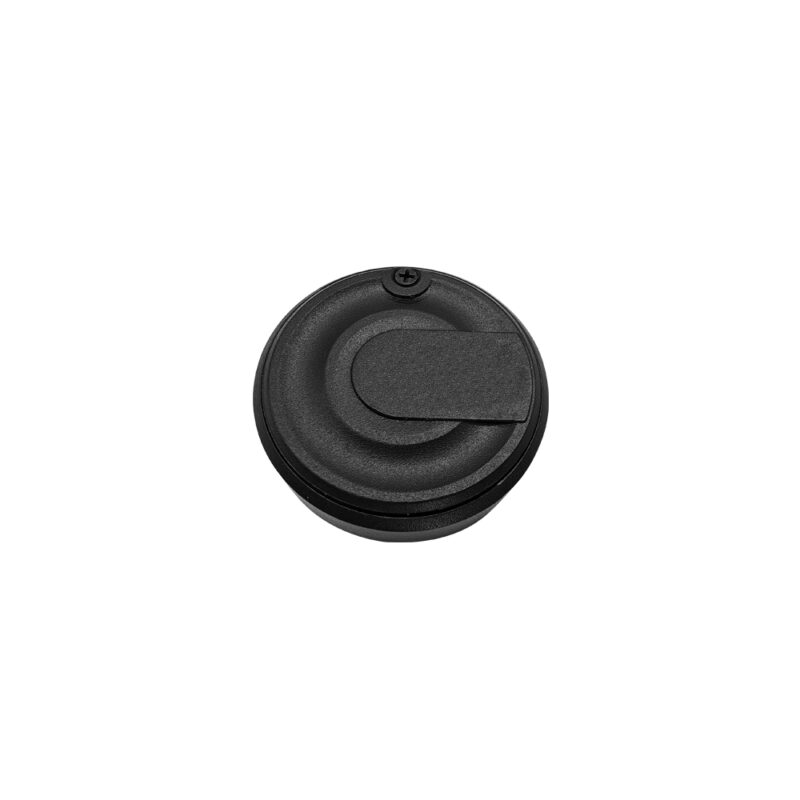
You need tags that read far and stay reliable, but the market full of claims can confuse lah. Readers promise dozens of metres, batteries promise months, yet real sites do different — so first check hardware and environment together. If you want to see physical options before testing, begin with a shortlist of active rfid tags and treat specs as starting points, not guarantees.
Common problems that cause failures
Range numbers lie when environment changes. Metal and water cut RF like chopsticks on glass. Antenna placement matters more than sticker type. Batteries drain faster when tags transmit often or at high power. Mismatched readers and tag protocols cause dropouts. Count these problems first, then choose tech to mitigate: larger antenna angle, lower duty cycle, proper enclosure, and regulatory-compliant power settings.
How to choose tag and reader — practical checklist
Check real metrics, not marketing. Measure: typical read distance at target placement, battery life under your reporting rate, transmission frequency (2.45 GHz vs alternatives), TX power, and antenna gain. Confirm mounting method (magnetic, screw, adhesive), IP rating for weather, and interoperability with your reader firmware. Buy a small sample batch and test on-site before full rollout.
Deployment pitfalls to avoid
Don’t assume lab range applies outdoors. Don’t mount tags behind metal or inside sealed water tanks without testing. Don’t forget firmware updates for both tags and readers — small fixes often stop flakiness. Avoid single-reader designs for wide areas; overlapping coverage prevents blind spots. Plan for battery swaps: tag IDs must remain fixed when you replace cells, or your asset mapping breaks.
Alternatives and trade-offs
Active long-range tags give reach and periodic location but cost more and need battery management. Passive UHF cheaper, but range limited near metal. BLE beacons cheap and ubiquitous for short bursts. Choose active when you need consistent reads beyond tens of metres, frequent heartbeat data, or when tags must push notifications rather than wait to be polled.
Experience, evidence, and sourcing notes
Large logistics hubs like Port of Rotterdam have publicly trialed active tracking to move containers with better visibility, which highlights how real-world site variables matter; when sourcing, compare vendors who list active rfid tags for sale and match their field-tested specs to your environment. Use hands-on tests, record signal-strength maps, and prefer suppliers who supply antenna diagrams and environmental test data.
Quick troubleshooting rules you can act on
If reads drop: move antenna, raise power slightly, test tag orientation, and look for new metal obstacles. If battery drains: reduce transmit rate, check for reboots, and verify temperature exposure. If tags appear intermittent: verify firmware versions on both ends and log every change so root causes traceable.
Closing synthesis
Start by diagnosing your specific problems — coverage, environment, and maintenance — then pick hardware that matches those needs and validate with on-site testing. Field-proven specs and sensible maintenance plans win. For hardware that fits practical deployments and documented test data, consider suppliers whose documentation and support match the needs you found during testing, such as RSTC.