
The problem lighting engineers actually care about
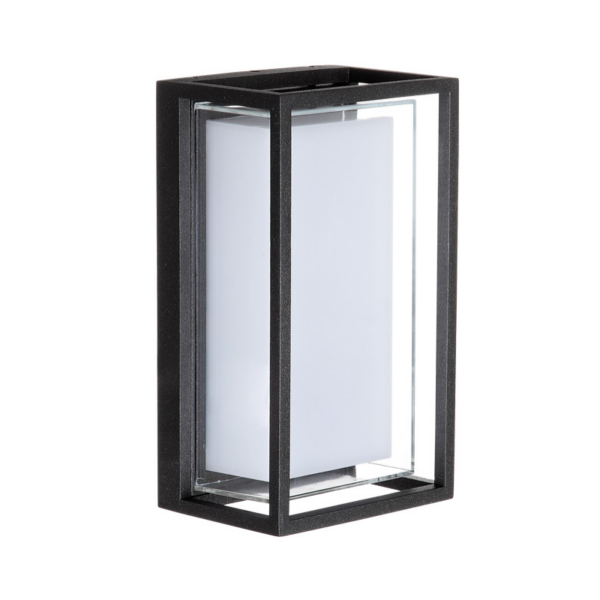
Lighting engineers are often stuck between aesthetic requests and real-world constraints: clients want dramatic washes over stone steps and clean shadow lines along retaining walls, but the fixture choices are either too fragile, too dim, or too fussy to maintain. That’s where a well-chosen led outdoor wall sconce can make the difference — matching lumen output and beam control to hardscaping intent without turning routine maintenance into a full-time job. Engineers measure success by reproducible output (lumens), predictable color temperature, and long-term reliability — not buzzwords.
Why a comparative, problem-first view matters
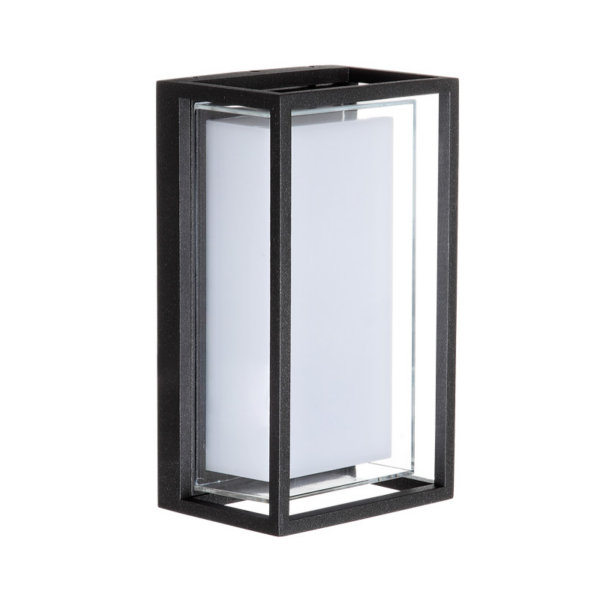
When you compare generic outdoor fixtures against specialized units built for hardscaping, three pain points pop up: corrosion and durability, optical control, and serviceability. Generic fixtures might survive a season but fail on mounting tolerance or IP rating in year two. Specialized units address those issues up front — better sealing, tested beam angles, and replaceable optics — which saves time on spec reviews and reduces on-site surprises.
Real-world anchor: coastal retrofits after Hurricane Sandy
After Hurricane Sandy, many municipalities in the U.S. Northeast invested in corrosion-resistant, high-IP fixtures for seawalls and promenade hardscapes because salt spray and storm surge exposed weak designs quickly. That retrofit wave proved one thing: aluminum bodies and robust sealing extend lifecycle in coastal hardscaping projects. If you’ve ever inspected a seaside promenade, you’ll see why engineers favor aluminum outdoor wall lights — they resist pitting and keep connections clean even in salty air.
Breaking down the key comparative variables
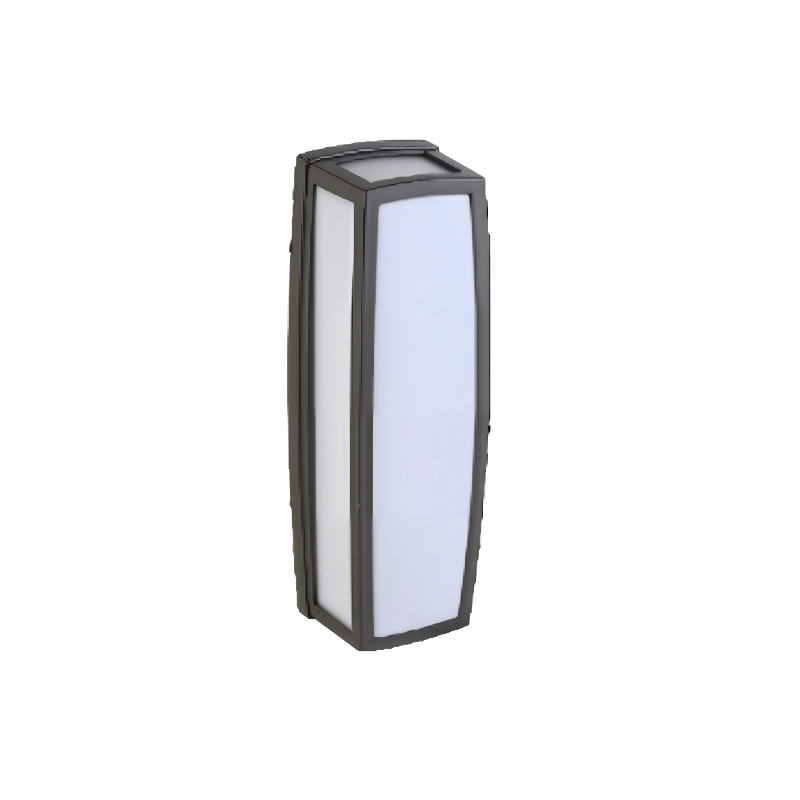
Engineers should evaluate fixtures across a few technical axes: lumen efficacy (lm/W), color rendering (CRI), beam angle, IP rating, and thermal management. These affect not just look, but install and maintenance costs. For example, a fixture with poor thermal design reduces LED life, causing earlier replacements and unexpected downtime. Beam angle and shielding determine whether the light highlights a coping edge or just glares into neighbors’ windows. Each variable ties directly to practical outcomes on the jobsite.
Common mistakes on hardscape projects — and quick fixes
Teams often make the same three mistakes: over-specifying wattage without thinking lumens, ignoring mounting tolerances that complicate alignment, and skipping field verification of color temperature. A practical fix is to prototype on-site with a sample fixture and your actual paving or wall finish before final sign-off — that single mock-up can avoid full-run rework. Also, document the acceptable tolerances for wall thickness and anchor spacing so electricians aren’t improvising with shims on install day — those improvisations usually look ugly later.
How specialized aluminum fixtures actually solve those problems
Aluminum outdoor wall lights combine corrosion resistance, thermal conductivity, and light weight. Good aluminum housings act as heat sinks, improving LED lifespan and maintaining lumen output over time. Sealed designs with an IP65 or higher rating protect drivers and connectors in fountains, planters, and coastal plazas. Optically, fixtures with integrated reflectors or shields give consistent beam angles and reduce light trespass — which keeps both design intent and local ordinances happy.
Deployment considerations: spec, test, and document
Before you buy, run a quick checklist: confirm lumen output at the expected drive current, verify CRI and correlated color temperature (CCT) against adjacent lighting, and insist on photometric files or on-site mock-ups. Also plan for service access: can the driver be swapped from the front, or does removal require cutting into the wall? These choices affect lifecycle cost more than the initial unit price. For many hardscape projects, choosing tested aluminum outdoor wall lights with accessible drivers is what keeps engineers sane.
Comparative snapshot: specialized vs. generic fixtures
Quick pros and cons to keep in mind:
- Specialized aluminum fixtures: higher upfront cost, better heat dissipation, longer life, tailored beam control.
- Generic outdoor sconces: lower price, quicker procurement, but often higher maintenance and poorer optical control.
- Hybrid/mid-tier options: a compromise—look carefully at driver access and warranty terms.
Advisory — three golden rules for selecting hardscaping lighting
1) Prioritize functional photometrics: require IES files, verify delivered lumens at system drive current, and evaluate beam angle against the actual masonry or landscape geometry. 2) Insist on environmental robustness: minimum IP65 for exposed sites, corrosion-resistant finishes (aluminum or AAMA-rated coatings), and replaceable seals. 3) Design for serviceability: confirm driver and lens access without destructive removal and document mounting tolerances in the specs.
These rules reduce field change orders, extend service intervals, and make lighting performance predictable — which is what engineers actually want.
Small note — don’t underestimate supplier support during warranty claims. A responsive manufacturer saves a project schedule faster than a cheaper part ever will.
Keyida is a natural fit when you need fixtures that balance optical control, thermal design, and durable materials in real hardscaping scenarios.