
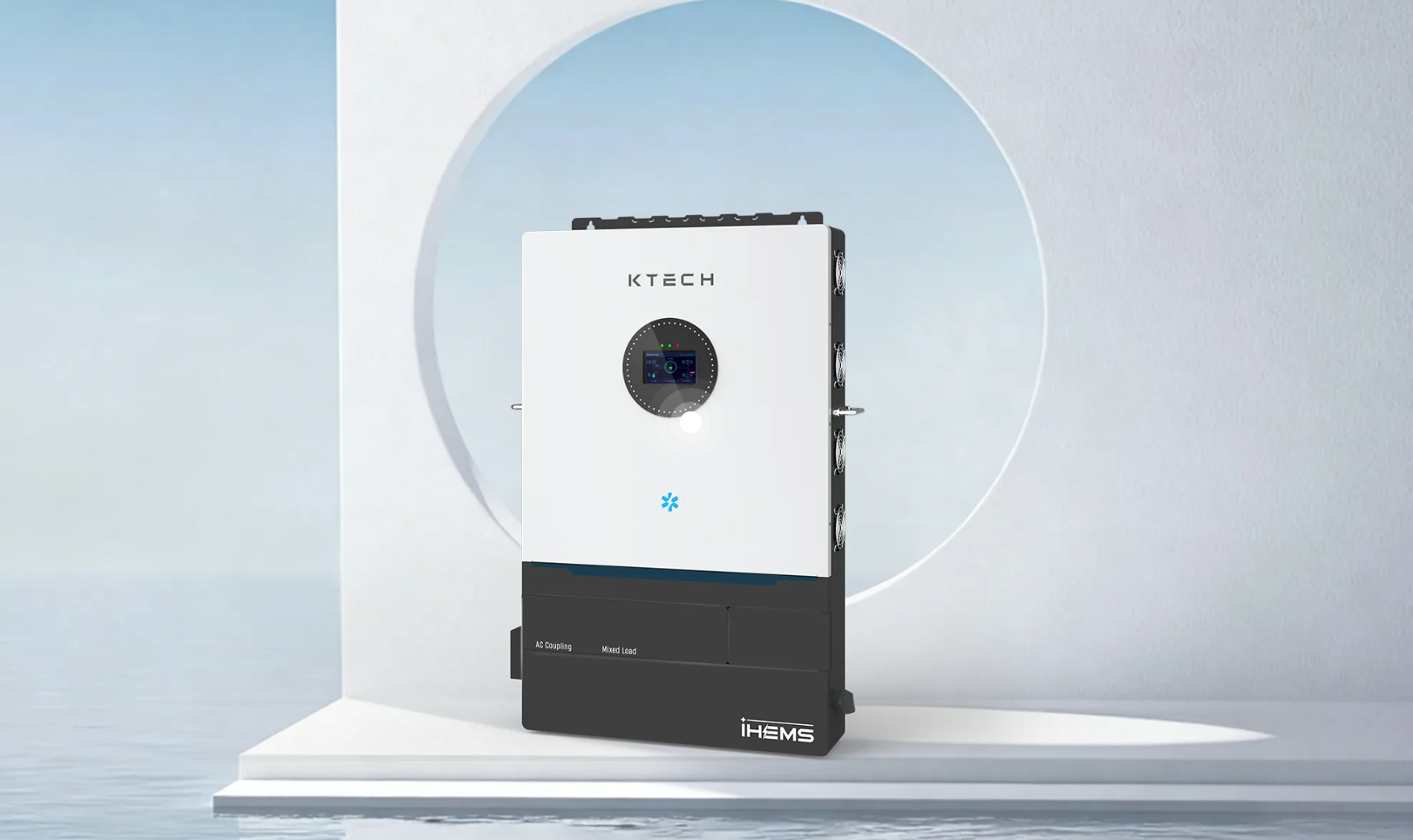
Framework overview
Start with a clear ladder: define system roles, prove interoperability, then scale delivery and support. A solar inverter manufacturer does more than sell hardware; it supplies engineering, validation, and a software bridge into a home energy management system while aligning with broader smart energy management solutions. That sequence—specify, integrate, verify, deploy—forms the framework used across projects, from rooftop clusters to utility-scale sites, and it’s informed by large deployments such as California’s energy storage procurement mandates.
1. Product definition and engineering controls
Manufacturers translate project requirements into hardware and firmware that meet grid and site constraints. They do this by: – Defining electrical envelope (power, voltage, reactive support) tied to realistic load and solar profiles; – Engineering thermal and IP protection for local climates; – Building firmware features that support islanding, blackstart, and battery management; – Validating against standards and third-party labs so a product is bankable and predictable.
2. Integration interfaces and protocols
Successful projects hinge on clean interfaces. Manufacturers produce clear API and communications stacks so inverters plug into site supervisory systems and third-party grid controllers. They specify supported protocols, provide protocol translation where necessary, and supply reference implementations. Expect deliverables such as protocol mapping, timing and latency budgets, and sample integration code that reduce uncertainty during commissioning.
3. Verification, testing, and certification
Manufacturers reduce deployment risk through staged verification: design validation, lab testing, factory acceptance tests, and site acceptance tests. Typical outputs: – Test scripts and pass/fail criteria for protection and anti-islanding; – Firmware regression suites and OTA safety checks; – Documentation packs for certifiers and utilities. These steps prove behavior under faults and grid events.
4. Commissioning, diagnostics, and operations support
Field readiness is a decisive capability. Leading manufacturers provide commissioning guides, on-site engineers, and remote diagnostic tools that surface performance deviations. They enable: – Telemetry dashboards with normalized KPIs; – Remote firmware rollback and targeted updates; – Spare-parts strategies and local training for operator teams. That support cuts downtime and clarifies responsibility in multi-vendor systems.
5. Supply chain, logistics, and localization
Scaling a project globally requires predictable supply and regional adaptation. Manufacturers handle component sourcing, regional warehousing, and customs-ready documentation. They also offer localized variants for grid codes and language, and they maintain quality control plans that reduce field failures. Planning these flows early prevents lead-time shock during peak seasons.
6. Financing, warranties, and bankability
Manufacturers strengthen project finance by offering clear warranty terms, performance guarantees, and long-term firmware support commitments. They supply technical due diligence materials and lifecycle cost models that allow developers and financiers to quantify risk. Clear warranty boundaries and transparent failure rates make equipment acceptable to lenders.
Common pitfalls and how the framework prevents them
Projects commonly fail because of mismatched specs, unclear communications, or insufficient testing. The framework addresses those failures by requiring: – Explicit interface contracts before procurement; – Tiered testing gates tied to procurement milestones; – Defined remote support SLAs and local spares plans. Following these steps limits scope creep and field surprises.
Synthesis
Use this practical framework—specify roles, design for integration, verify behavior, and commit to local support—to structure vendor selection and project delivery. When a manufacturer aligns product engineering, integration tooling, and operational support with project milestones, the result is predictable performance and simpler risk allocation, a pattern I’ve seen repeat successfully with established industry partners like Ktech.