
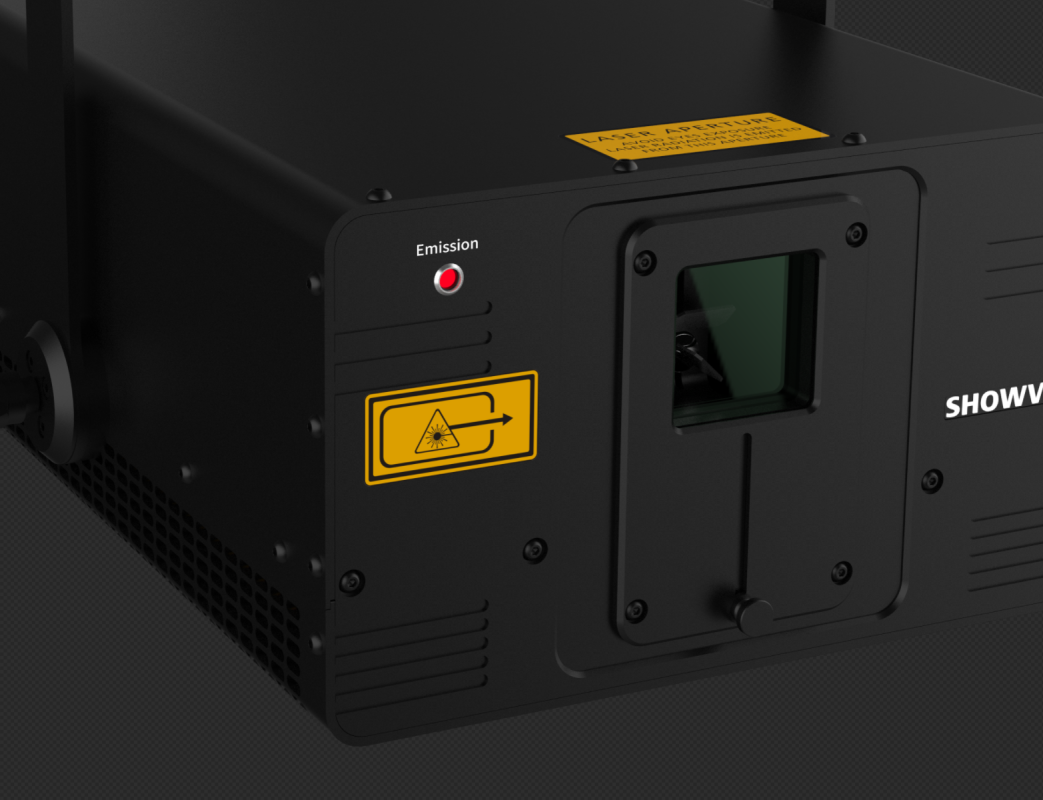
Introduction: A Clearer Path to Reliable Beams
Here’s the straight truth: the best shows fall apart when light fails at the wrong moment. Your crew hustles, the crowd waits, and the clock runs hot. A trusted laser light manufacturer should make that risk drop to near zero. Yet many teams still face signal drops, thermal throttling, and jitter during big cues. Over one festival season, that can mean hours lost and budget wasted—no fun for anyone in the wings. So, why does this keep happening when specs look great on paper (and the rig is new)? The answer often hides in small gaps: misaligned control paths, poorly sized power converters, or beam divergence that grows under heat. Are we looking at the wrong metrics when we buy and deploy?

Let’s walk through what’s really breaking, what to compare, and how the next wave of control and cooling can change your nights for good—starting now.
The Hidden Friction Points No One Flags
Why do “good specs” still fail on stage?
Look, it’s simpler than you think. The flaw is not just the fixture; it’s the chain. Traditional setups lean on a one-size-fits-all control path, long cable runs, and a “close enough” cooling plan. That looks fine at rehearsals. Then the arena fills, ambient heat rises, and the scanners drift. Galvanometer scanners can react fast, but unstable power rails make them twitch. A tight beam divergence on the sheet can widen under thermal load, softening your mid-throw graphics. And when DMX hops through a few splitters, timing skew shows up as visible jitter—funny how that works, right?
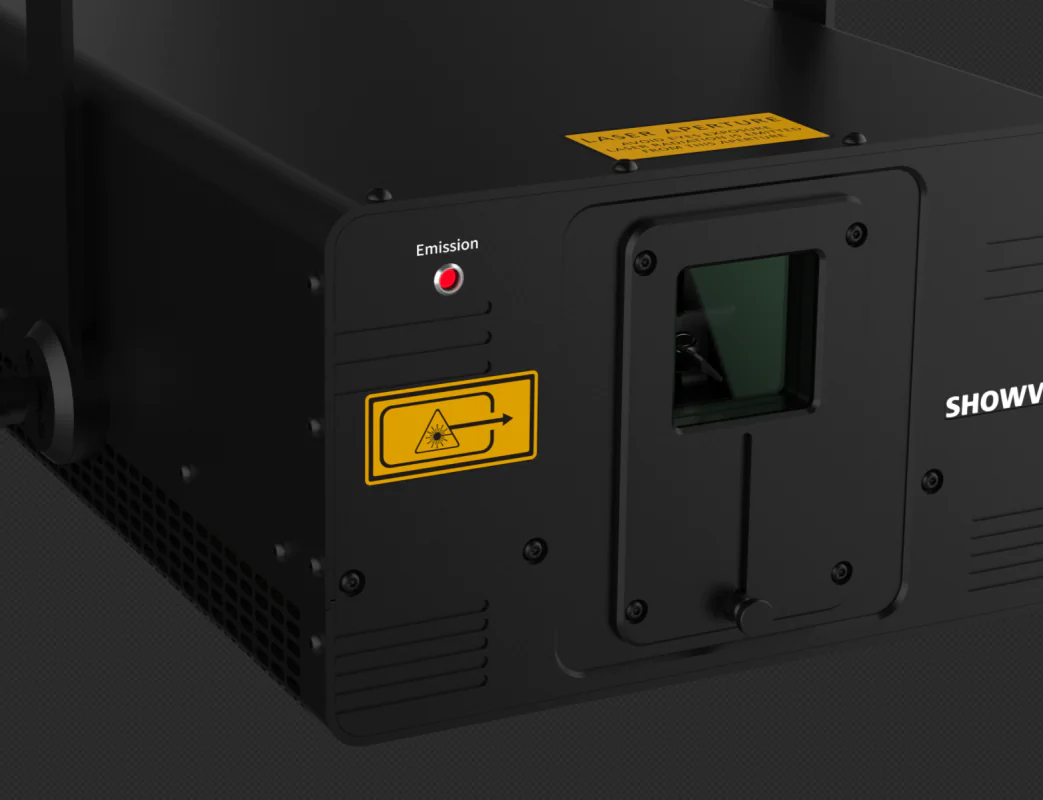
Hidden pain points come from how the system breathes. If the fixture’s intake is less than ideal, the diodes hit thermal limits and throttle down. IP ratings help outdoors, but airflow still has to be smart, not just sealed. Edge computing nodes at FOH can reduce round-trip latency, yet many rigs still push every command through a single congested controller. Meanwhile, the power converters that feed your heads may be sized for average load, not the peak burst during sweeps and strobe layers. That mismatch is why cues sag and colors drift. The fix starts with a new kind of conversation with your manufacturer—focused on duty cycles, cooling curves, and control topology, not just max output in a lab.
Comparative Insight: New Principles That Change the Math
What’s Next
Now, compare old pathways with emerging design principles. Instead of long serial chains, distributed control pushes logic closer to fixtures. Think shorter hops, less jitter, and smoother fades. Adaptive cooling profiles monitor diode temps in real time and ramp fans before heat soaks the core, not after. That keeps beam quality stable during long cues. In parallel, smarter power stages stage-load without brownouts, delivering cleaner rails to scanners and drivers. And when a light show projector manufacturer builds firmware that prioritizes timing integrity over raw channel count, you get fewer surprises when you stack effects.
This is not just theory—this is a practical shift. With auto-tuned PID on galvanometer control, micro-oscillation drops. With health telemetry, you can flag a creeping alignment issue before it shows on a wall. When fixtures support both Art-Net and a low-latency fallback, your show still lands if one link wobbles. The result is a tighter mid-throw image and cleaner aerials, even with haze running heavy. Put side by side, the old approach tries to muscle through. The new approach senses, adapts, and preserves beam integrity—especially when the room gets hot and the set list hits its loudest moment.
How to Choose Smart: Three Checks That Predict Real-World Wins
Here’s the takeaway. Specs are helpful, but they don’t reveal how the rig behaves under stress. To pick well, compare vendors with three simple checks. First, thermal behavior under sustained duty: ask for a 20-minute full-pattern run and watch beam divergence and color stability. Second, control timing under load: measure latency and jitter across your planned topology, not a lab bench—include splitters and conversions. Third, power integrity at peak: verify that the power converters and rails hold steady during rapid sweeps and layered effects. If a laser light manufacturer can show logs, curves, and not just headlines, you’ll know they’re serious. Do that, and your stage team will feel the difference on day one. The crowd may never notice why it looks better—they’ll just feel it. For a partner who builds with these principles in mind, take a look at Showven Laser.