
Introduction — a small scene, some numbers, and a question
I once sat in a clinic room watching someone rub their knee and say, “Nothing seems to help.” That stuck with me because I see that scene a lot — busy people, sore bodies, short patience. Advanced red light technology shows promise; studies report pain reductions of 30–60% for some conditions when parameters are right. (I mean—who wouldn’t want less ache and more life?) So here’s the question I kept asking: why do some devices actually help while others feel like expensive nightlights?
I’ll walk you through what commonly breaks down, what users quietly complain about, and which technical details matter — in plain language. Stick with me; we’ll get practical fast and then look ahead to better designs.
Where the usual fixes fail: deeper flaws and hidden user pain
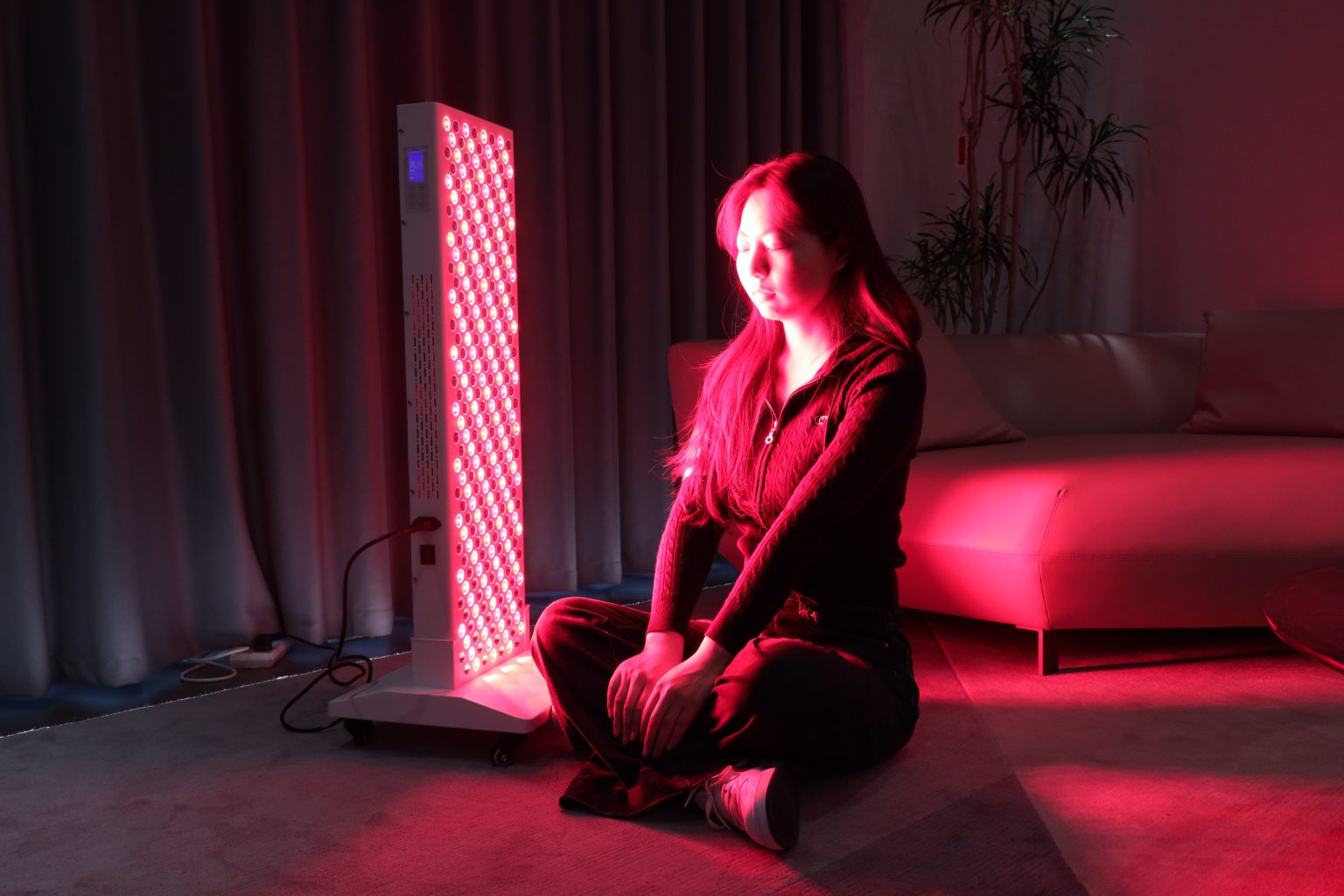
red light therapy technology often gets sold as a simple fix: point light at the sore spot and wait. But reality is messier. Devices with weak optical irradiance, poor wavelength specificity, or flaky power converters can’t deliver therapeutic doses. Photobiomodulation needs a mix of correct wavelength, sufficient irradiance, and treatment duration. When one of those is off, results vanish. Look, it’s simpler than you think — if those specs are correct, the therapy works more reliably.
Why do devices underperform?
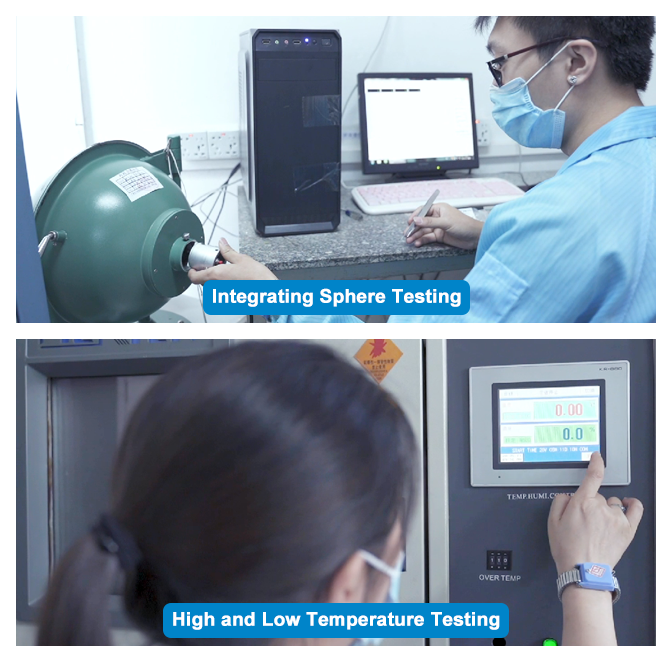
Two main troublemakers show up: inconsistent output and bad user feedback. Many units lack real-time sensors or edge computing nodes to adjust for heat and drop in intensity over time. The user sets a timer, but light output drifts. People notice this as “it didn’t work for me” — and they stop trying. I’ve also seen cases where makers focus on fancy styling instead of durable LEDs and thermal management. That’s a design failure, not a therapy failure.
Looking forward: principles for better devices and what to check next
What should come next? I want to sketch clear principles — not buzzwords — that engineers and buyers can use. First, standardize dose delivery: devices should report optical irradiance and cumulative energy. Second, match wavelength specificity to target tissue (for example, near-infrared vs. red light differences). Third, add smart control so power converters and thermal systems keep output stable. These are practical steps. — funny how that works, right?
What’s Next?
Here’s a short checklist to compare solutions: 1) verified irradiance at treatment distance, 2) stated wavelength ranges with measurement, and 3) thermal stability and safety cutoffs. If a product misses one or more, it’s a red flag. I’d also watch for honest user interfaces — simple readouts beat mysterious flashing lights every time.
To pick the right tool, evaluate three core metrics: effective irradiance (mW/cm²), wavelength match for your goal (nm), and delivered energy per session (J/cm²). Measure those against clinical guidelines, and you’ll separate hype from hardware. I say this as someone who’s tested a dozen devices: the numbers matter more than the brochure.
Closing thoughts — practical takeaways and how I’d choose
I’ve seen pain turn into motion when the tech is right. The lesson is basic: demand clear specs, stable output, and honest feedback from the device. Don’t be swayed by looks or promises alone. Evaluate devices by the three metrics above and by real user reports. If you want my quick pick: a device that reports irradiance, keeps thermal control with reliable power converters, and uses the right wavelength wins more often. In short, be picky — your body is worth it.
Thanks for reading — I’ll keep digging into the tech, and if you’re choosing a device, use the checklist. For reference and further product details, check Magique Power.