
Introduction — A Highland Morning, a Flat Battery, and a Number
I was standing by a single kerbside charger on a rain-swept morn, boots soaked and patience thin, watching a queue of cars circle like sheep. The ev power charging station was busy, and the nearest spare unit sat behind a delivery van. Surveys and local reports put wait times and failed sessions in the dozens of percent range — drivers notice. What can we do to make this simple ritual kinder, quicker, and less fraught? (aye, it nags at you).
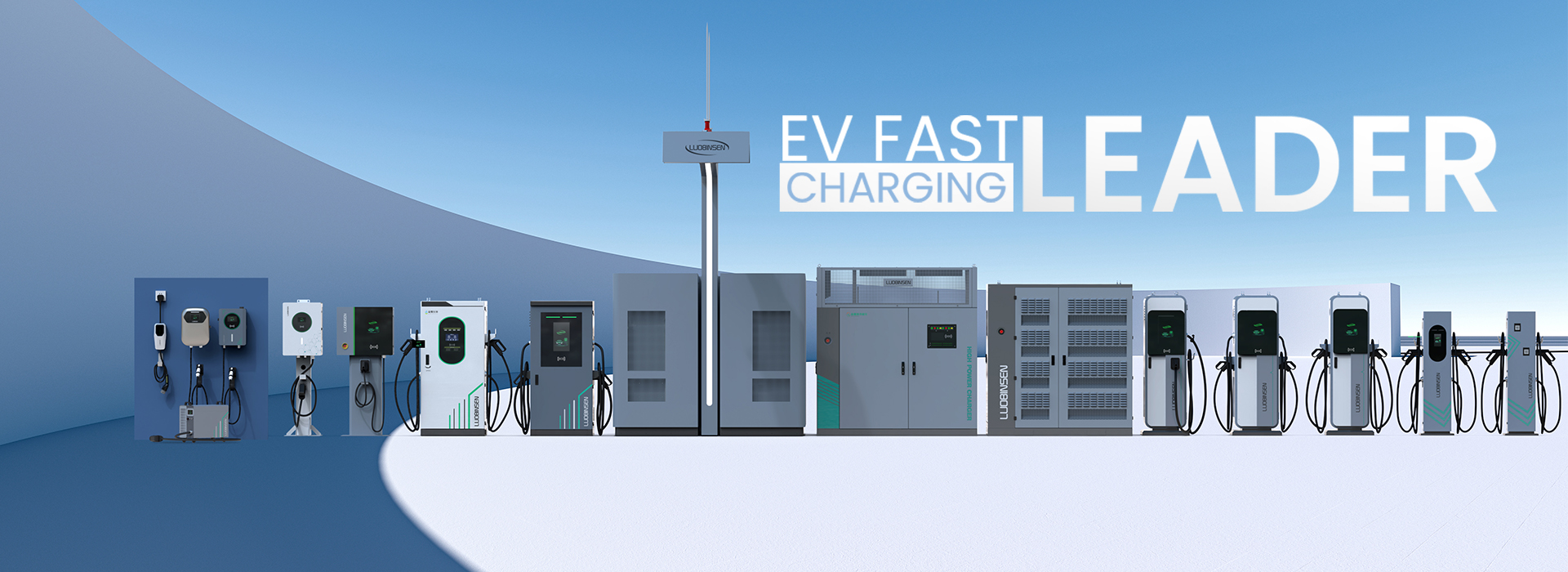
I share this because the scene crops up across towns and trunk roads. About three in ten drivers say charging feels less reliable than filling a tank — that’s not a handful, it’s a pattern. So I ask: how do we translate driver grumbles into sensible design choices and better tech on the ground? I keep returning to that sodden kerbside. Let’s move from that morning to the nuts of the matter — practical fixes ahead.
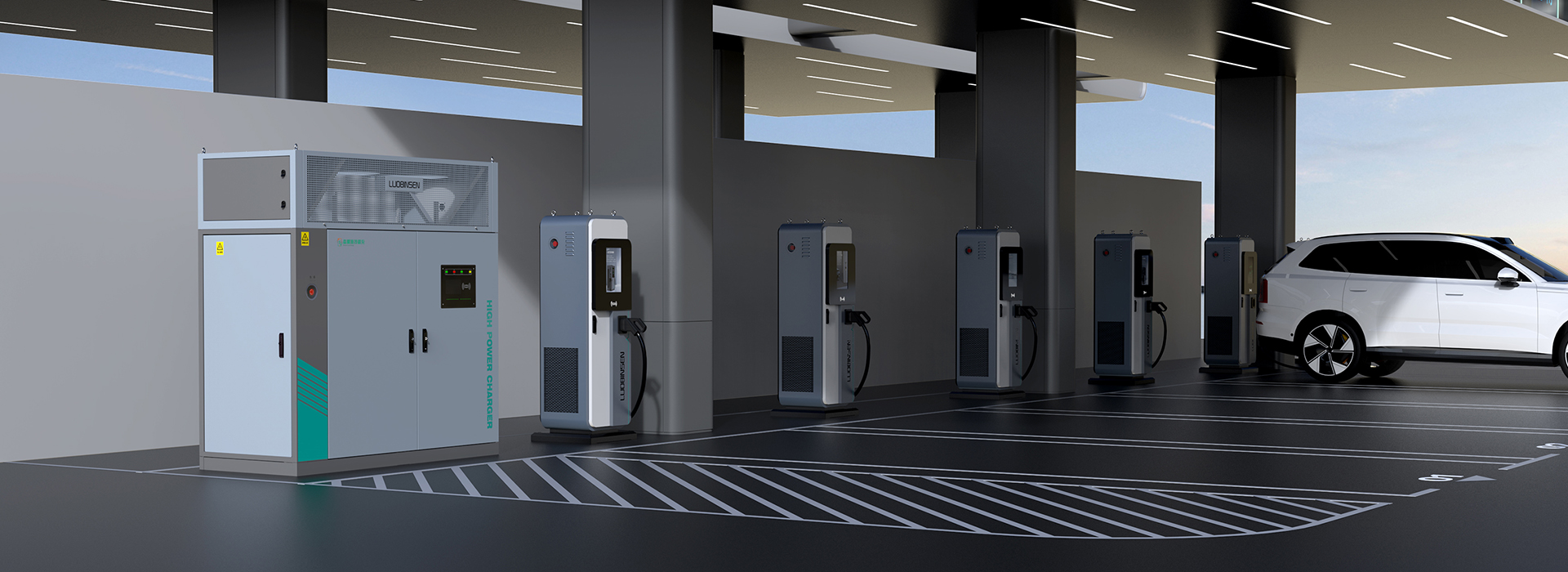
Part 1 — Where Traditional Fixes Fall Short (Deep Dive)
ev charging solution talk often leans on bigger power feeds or more sockets. Those help, but they miss deeper faults. I’ll be blunt: many plans throw hardware at the problem — add more DC fast charging stalls, buy bigger transformers — and hope queues vanish. In truth, system-level flaws and user friction keep the pain alive. Power converters idle, software clashes cause session drops, and poor UI means drivers get confused. Edge computing nodes are underused; they could smooth session handshakes and reduce failed starts. Look, it’s simpler than you think.
Technical missteps are common. Operators often deploy chargers with mismatched firmware or skip robust OCPP setups. That breeds compatibility trouble when new vehicles arrive. Load balancing gets touted, but poorly tuned balancing can choke a site rather than help. I’ve seen controllers ignore real-time demand and let a single high-draw session hog the feed. So the old recipe — more boxes and higher amps — ignores process, communication, and human behaviour. If we fix those, many perceived shortages evaporate. — funny how that works, right?
Why does this still happen?
Because decisions follow procurement cycles, not driver journeys. Teams buy equipment to a spec, then wrestle with the field. We need to reverse that order.
Part 2 — New Principles and Where We Go Next
We must think like drivers and engineers at once. I favour a simple set of principles: intelligent site orchestration, clear user flows, and modular hardware. An ev charger supplier should offer firmware updates, monitoring, and real-time support — not just a box. When chargers report telemetry (temperatures, session logs, error codes) to a central controller, we can use edge computing nodes to triage faults before they cascade. Power converters paired with smart firmware reduce reactive trips and preserve uptime.
What’s next is marrying these principles to real deployments. Case studies show that sites using adaptive load balancing and predictive scheduling cut waits and session failures. We can stagger arrivals, nudge drivers with app prompts, and pre-warm chargers for expected high-rate sessions. The tech is not magic. It’s coordination: software, hardware, and clear UX. I’ve watched small tweaks yield big drops in customer complaints. — small wins that matter.
What’s Next?
Expect tighter integration between roaming networks, clearer charge-point displays, and more resilient back-end orchestration. We’ll see fewer one-off hardware fixes and more systemic upgrades.
Part 3 — Practical Guidance: How to Choose and Test Solutions
I want to leave you with three workable metrics I use when evaluating systems. First: uptime under mixed load. Don’t accept manufacturer figures alone. Test with concurrent sessions, different vehicle types, and peak times. Second: interoperability score. Ensure chargers speak OCPP cleanly across firmware versions and that the platform tolerates updates. Third: operational transparency. You should get clear telemetry, push updates remotely, and see session logs in real time. If your prospective ev charger supplier can’t demonstrate these in a trial, walk away.
We should also weigh user-facing features. Simple displays, clear lamp indicators, and an app that gives honest wait estimates matter. Drivers pick the easiest site. Combine that with on-site diagnostics that route faults to the right technician, and you reduce downtime fast. I’ve sat on both sides of these decisions — procurement and operations — and I laird no illusions: good choices cost a touch more up front, but they pay back in hours saved and reputation kept.
Three quick metrics to carry in your head: real-world uptime, interoperability under load, and operational visibility. Use them as your checklist when you trial systems. And remember to ask for on-site pilots, not glossy slide decks. If you want a partner who lives in the details and helps implement these ideas, consider starting a conversation with Luobisnen. It’s practical, human work — and it makes a real difference.