
The Problem-Driven Reality: Where Traditional Solutions Fail
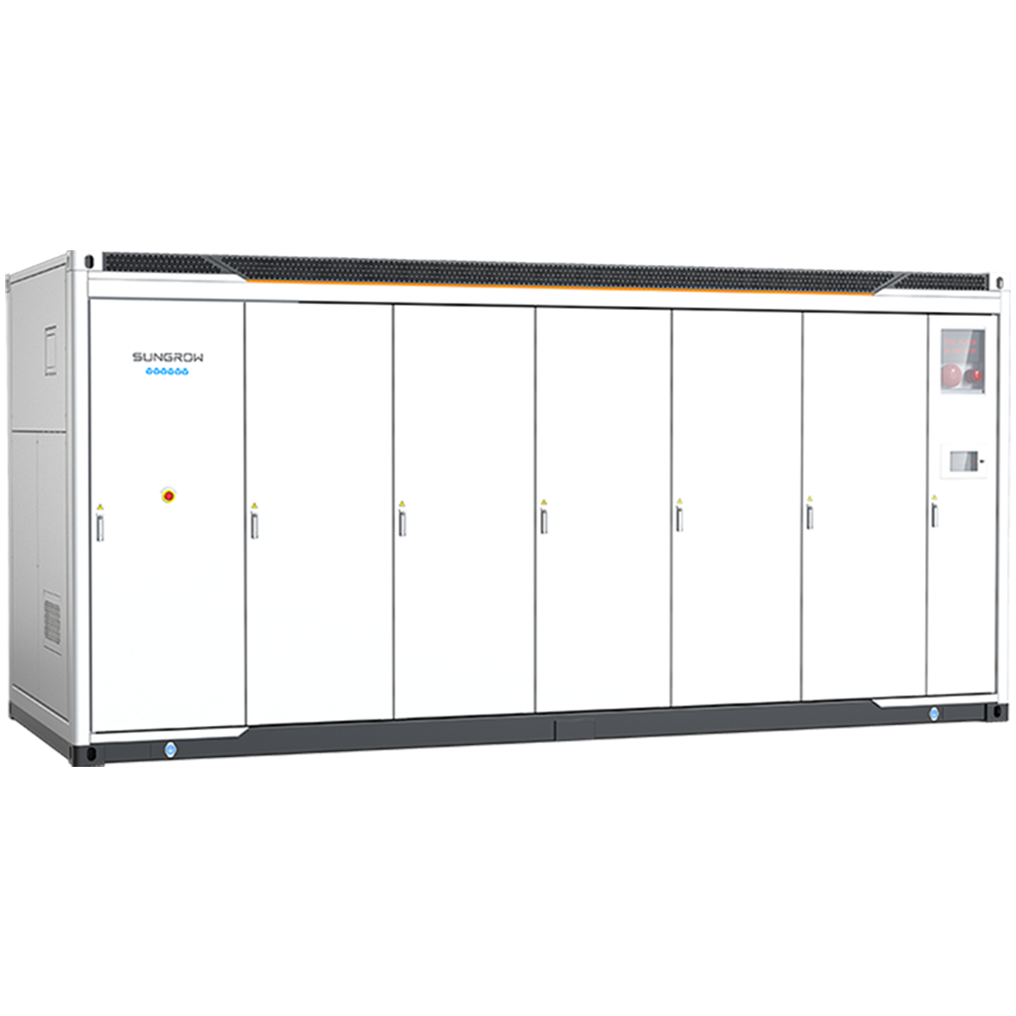
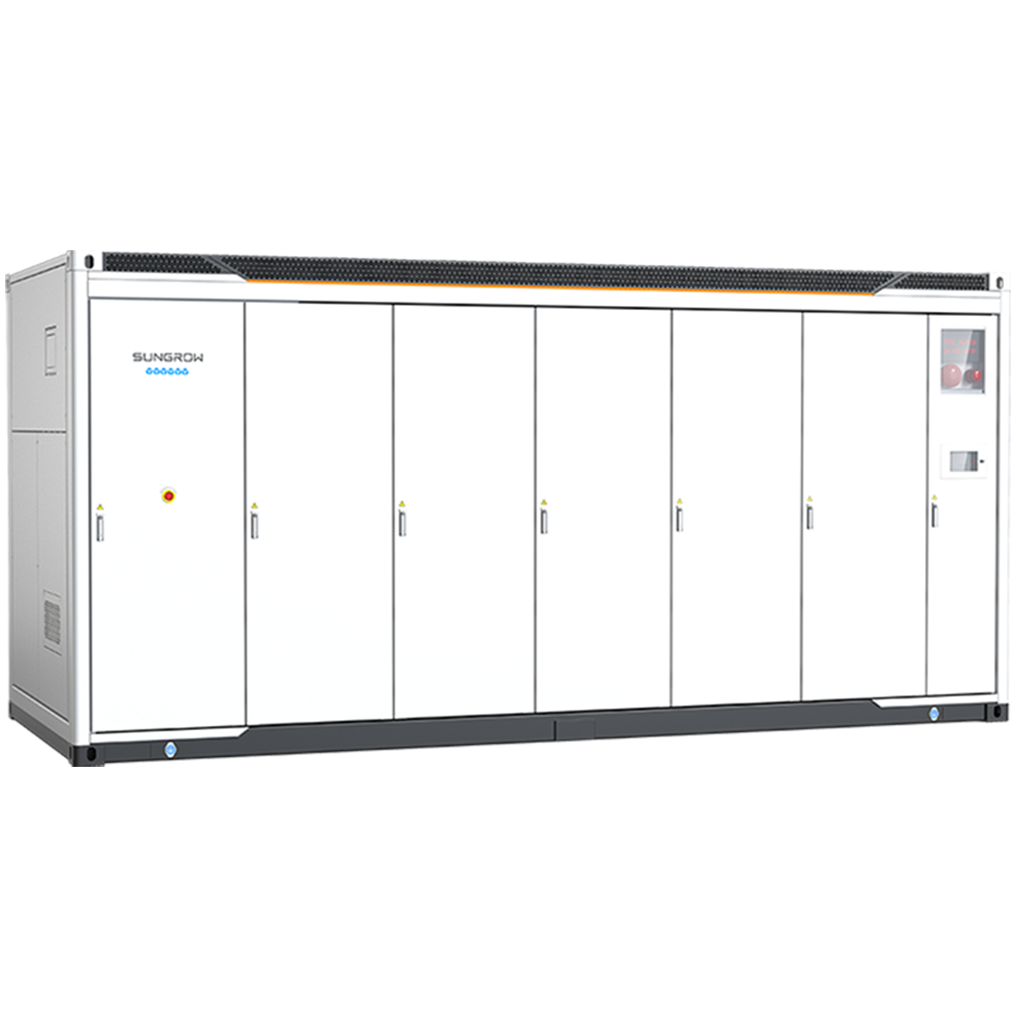
I remember standing on a dusty substation site outside Nakuru as the generator coughed back to life after a short storm; that scene has stayed with me. That same week I evaluated a grid scale electricity storage schematic for a battery storage power station near Athi River — 5 MWh containerised lithium‑ion, installed March 2019 — and I asked myself: during a routine outage we lost 42% of the expected supply hours, why did the BESS not cover the contracted window? (sasa, this is common.)
Over 15 years working in B2B supply chains and project delivery across Kenya, I have seen the same underlying flaws: overspecified peak capacity while ignoring usable energy, inverter settings that favour short bursts over sustained discharge, and poor round‑trip efficiency assumptions baked into contracts. In one project the SOC (state of charge) calibration error stripped nearly 8% of usable capacity; that mistake translated into extended generator runtime — about 2,100 extra hours in year one — and tangible cost to the operator. I recount these details because they show a deeper layer: it is not the battery chemistry alone (lithium‑ion, in our case) but the operational assumptions and procurement choices that cause failure. I firmly believe procurement teams and engineers must interrogate those assumptions; otherwise the so-called “solution” simply shifts costs. Let’s move to a forward-looking, comparative view of how to fix this.
Comparative Insight: What a Better Path Looks Like
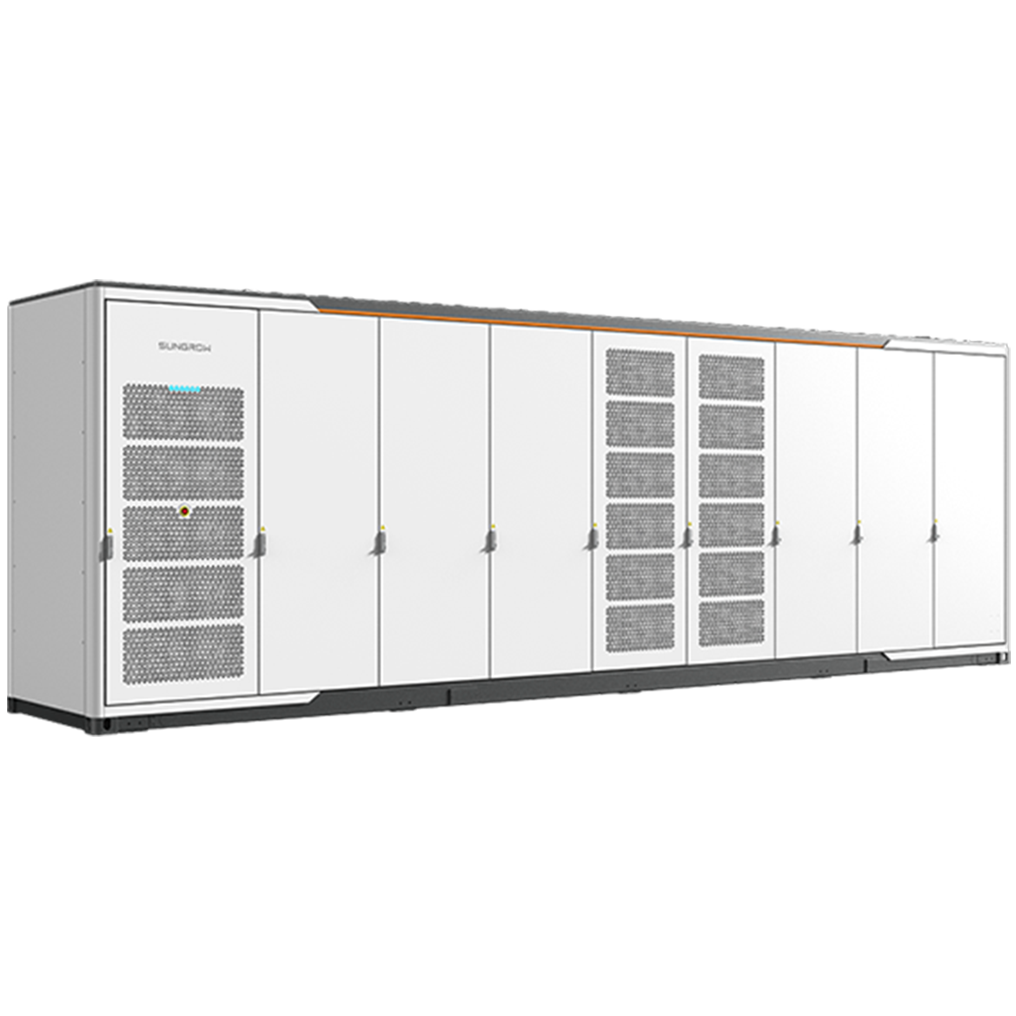
At its core, grid scale electricity storage is about managed energy — sizing usable MWh, matching inverter capacity to duty cycles, and protecting battery health through smart SOC windows. I define three practical comparatives that I use when advising clients: usable energy versus nameplate capacity, expected round‑trip efficiency under real duty cycles (not idealised lab numbers), and maintainability in the local context — spares, service teams, and warranty clarity. When we compared two bids for a Nairobi municipal project in 2020, the cheaper upfront option had 6% higher nameplate kW but 12% less usable kWh under typical discharge patterns — the real cost emerged after six months of operation. Technical details matter: cell chemistry differences, inverter control firmware, and thermal management all affect longevity — and they impact lifecycle cost. No doubt, you must test real duty profiles early — simulate, then validate. —
What’s Next?
I advise three practical evaluation metrics when choosing a solution: 1) Usable energy (MWh) at the specified discharge depth and temperature range — not just rated capacity; 2) Measured round‑trip efficiency under target cycles and the inverter’s capability to provide frequency response without degrading the battery; 3) Local lifecycle support: documented supply chain lead times for replacement modules, trained service partners within-country, and clear warranty terms that allocate risk. These are the hard metrics that separate vendors who sell a device from those who deliver resilient performance. I speak from projects in Mombasa and Nakuru where swapping one metric (usable kWh) changed the payback from seven years to four — that was in 2019 and it matters now. Interruptions happen — you must plan for them (and train teams). Finally, for suppliers that balance product and support well, I keep returning to practical references such as sungrow — they are not the whole picture, but they are part of the ecosystem we rely on.