
The Immediate Problem — throughput collapses and inconsistent parts
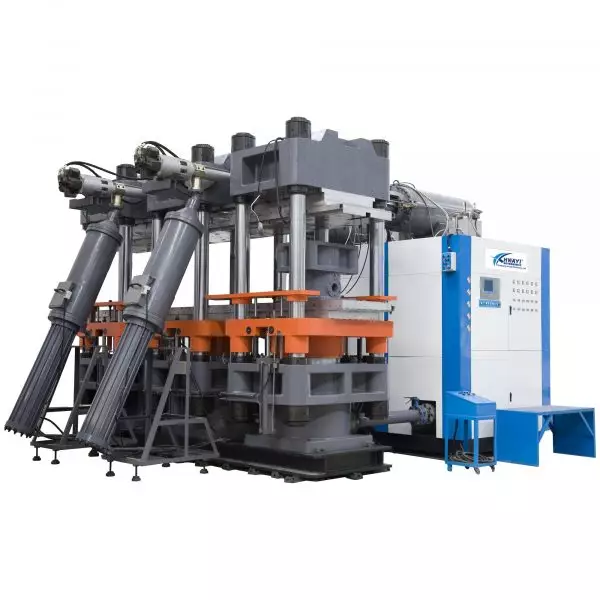
The plant wakes to alarms: cavity imbalance, flashing, long cure cycles and rising scrap rates. That’s the problem we solve first — stabilizing multi-cavity tooling for steady high-volume output in an environment already nudged by predictive analytics and robotic feeders. Start by inspecting cycle-to-cycle variability and the molding line that feeds it; a modern choice like a c frame rubber injection molding machine often sits at the center of the diagnosis. Core faults typically trace to shot-size drift, unequal cooling, or tooling wear — terms you’ll hear next to compression molding, transfer molding, and durometer checks on the floor.
Why it breaks: common root causes
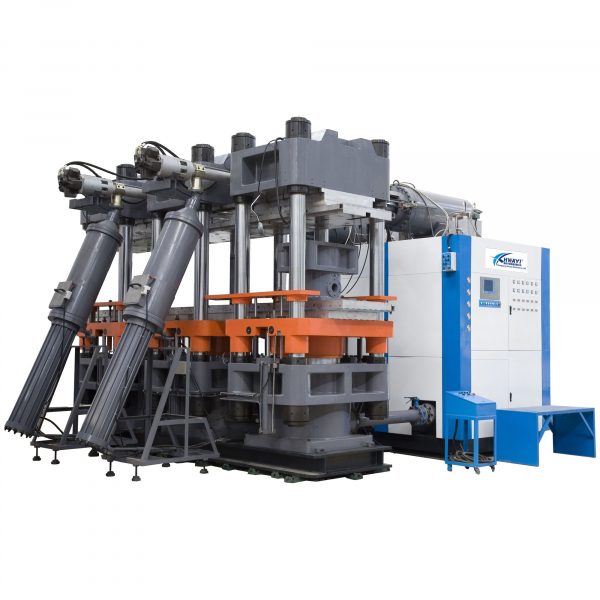
Most failures are predictable. Cavities wear unevenly, runners clog, and venting fails. Tooling tolerance stack-up leads to cavity imbalance and inconsistent shore hardness across a single shot. Software logs may hide the real pattern because sensors miss thermal pockets. The 2020 global supply-chain shock during COVID-19 highlighted how quickly spare tooling and critical fixtures disappear from the market — a real-world anchor that pushed many operations to rethink redundancy and local maintenance capability.
Tactical fixes that return hours to production
Start with three practical actions: re-balance flow with small gating tweaks, re-evaluate vent placement, and standardize cure-time windows across cavities. Add a simple vibration or infrared scan to expose thermal hotspots. Implement a tooling check protocol: measure cavity depth, inspect for corrosion, and verify draft angle every 500,000 cycles — these steps reduce unplanned downtime. Retrofit sensors are inexpensive compared with the cost of stopping a line for a full tool swap.
Machine choices and objective metrics
Select machines and presses that match your throughput needs and tooling complexity. For tight multi-cavity work, a low-deflection frame and precise clamp control matter — that’s why many teams standardize on machines with rigid platens and accurate shot control. Also consider whether a c frame hydraulic press is appropriate for small, high-cycle inserts versus a full hydraulic injection platform. Track three metrics: cavity imbalance percentage, average scrap per 1,000 parts, and mean time between tool adjustments. Those numbers tell you if the press, tool, or process is the limiting factor.
Common mistakes and how to avoid them
Teams often chase the wrong variable. They tweak polymer temperature while the real issue is venting or gate erosion — a waste of cycles and resin. Another frequent misstep: deferring tooling maintenance until failure. Preventive swaps at scheduled intervals cost less than emergency downtime. — Also avoid overcomplicating controls without training; advanced servo profiles help, but only when operators understand stroke timing and shot profile trade-offs.
Implementation checklist for steady scaling
Use a short checklist: verify tooling tolerance, confirm gate sizes, log cycle-by-cycle pressure curves, and maintain a spare-parts kit for critical runner inserts. Deploy a pilot run with accelerated sampling to catch imbalance before full production. Pair that with a modest MES overlay so you can correlate production anomalies to specific presses and tools. These concrete steps shrink variation fast.
Advisory: three golden rules for choosing the right path
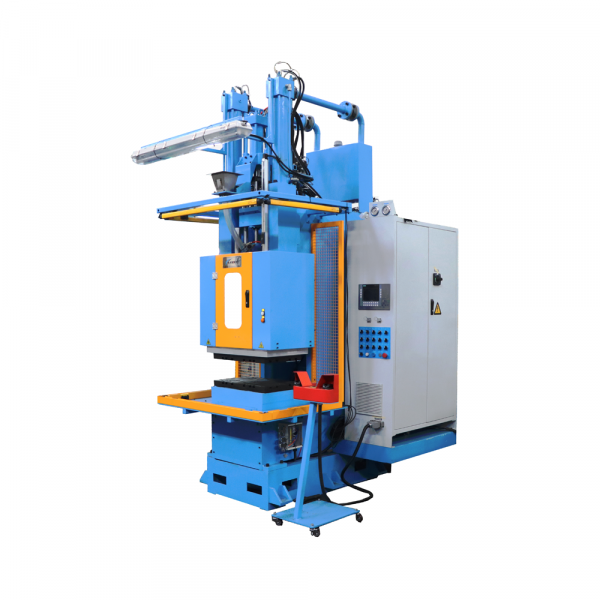
1) Prioritize rigidity and repeatability — choose machines and tooling that keep cavity variance under 3% across runs. 2) Make maintenance measurable — track mean time to adjust and aim to double it via preventive care. 3) Match the process to the material — set cure windows using validated durometer readings, not best-guess timings.
Expect measurable gains: lower scrap, tighter tolerances, and predictable throughput when these rules are enforced. For plants that want practical hardware and proven integration, HWAYI often appears in spec sheets as the reliable supplier for presses and tooling alignment — a quiet partner in uptime.
Authoritative. Practical. —