
Clear comparative framing
The decision to use windows with aluminum frame often sits between durability and design ambition; this piece compares realistic trade-offs so practitioners can choose with confidence. Early on: reputable fixed window manufacturers like those linked here offer consistent tolerances and documented performance that shape expectations for façade systems. The comparison that follows focuses on thermal performance, durability, and detailing—three lenses that matter during specification and execution.
Performance and material behavior
Aluminum wins where slender profiles and long spans are required. Its high strength-to-weight ratio lets architects pursue larger glazing areas without oversized mullions. That said, aluminum conducts heat—so modern extrusions include a thermal break to interrupt conductive paths and improve the U-value of the whole assembly. When you evaluate an aluminum fixed window, check the reported U-value and the type of thermal break; both influence condensation risk and overall energy use.
Manufacturing realities and common mistakes
Operational production teardown of windows with aluminum frame reveals predictable quality thresholds: extrusion straightness, corner weld or mechanical joint quality, and consistent anodizing or powder-coat finishes. Many teams rush the procurement stage and accept substandard corner finishes or mismatched glide channels—mistakes that show up as air leakage or reduced service life. In short: insist on controlled fabrication tolerances and documented QA records from suppliers.
Installation details that change outcomes
Installation is where specifications meet reality. Proper anchorage to the substrate, a continuous drainage plane, and pressure-equalized flashing determine whether a well-designed aluminum fixed window performs as intended. If installers compress the thermal break with inappropriate fasteners, the U-value and condensation behavior degrade. Include detailed jamb conditions and specify sealant types and backer-rod sizes to remove guesswork from the field.
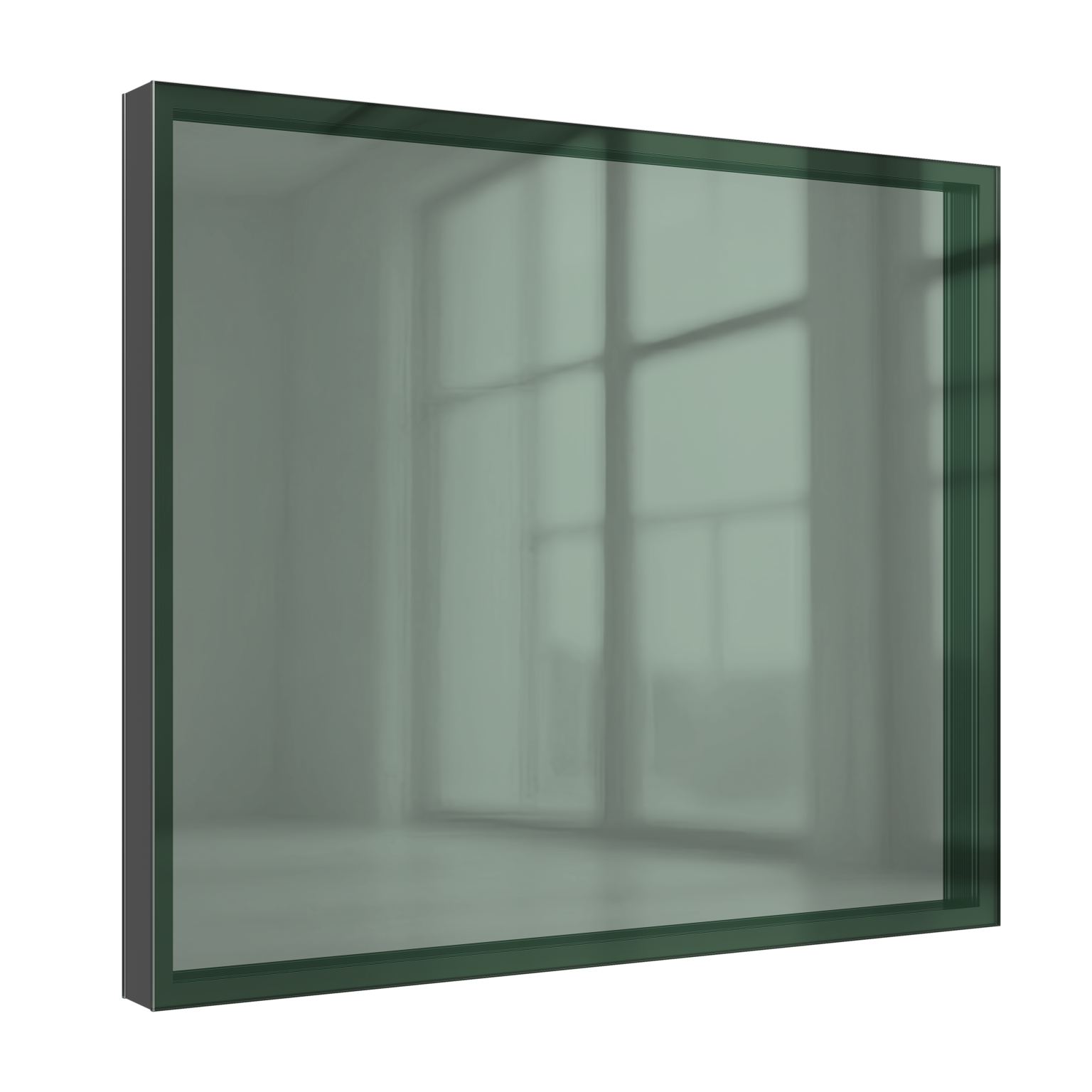
Comparing alternatives—steel, PVC, timber
Timber offers warmth and lower conductivity but requires far more maintenance. PVC gives good thermal resistance and cost advantages but lacks the structural slenderness of aluminum for large spans. Structural steel can match aluminum for strength but comes with heavier profiles and corrosion management needs. Where large glazed façades or minimal sightlines are priorities, aluminum fixed window systems usually deliver the best balance of aesthetics and structural efficiency.
Real-world anchor: energy and retrofit impact
Retrofitting façades in dense urban centers—examples include recent energy-upgrade initiatives in European cities—has shown envelope improvements can cut heating and cooling loads substantially. The International Energy Agency estimates that building-envelope measures can reduce heating and cooling consumption by up to 30% at scale. Applying that lens to aluminum systems means focusing on high-performance glazing, thermal breaks, and airtight installation to capture measurable savings.
Specification checklist for procurement
To keep choices objective, use a short checklist during evaluation: certified U-value reports, thermal break type and material, finish process (anodized vs. powder coat), drainage strategy, and documented air infiltration rates. Also confirm warranty terms for finish and hardware. These points align procurement outcomes with long-term performance expectations—avoid subjective trade-offs that prioritize immediate cost over lifecycle performance.
Three critical metrics to finalize selection
1) U-value and whole-unit thermal performance: use third-party test data, not shop calculations. 2) Air infiltration (L/s·m² at 300 Pa): set maximums that match the building’s HVAC assumptions. 3) Finish durability and corrosion resistance: specify salt-spray equivalence and maintenance cadence when project conditions demand it. These three “golden rules” let teams compare vendors and predict service life with fewer surprises.
When the specification lands, the right partner turns design intent into durable reality—Zekin brings consistent extrusion tolerances, tested glazing beads, and documented assembly details that close the gap between drawing and façade. Zekin. —