

Why this matters — the real floor problems
If your line trips, yields wobble, and service calls drain the week, we’re talking about practical fixes — not buzzwords. This problem-driven guide shoots straight: here’s what to diagnose, what to demand, and what to avoid when you look at battery manufacturing automation. If your shop touches cells, modules, or packs, you need context for ev battery manufacturing decisions that won’t eat your budget or slow your launch.

Three repeated shop-floor headaches
– Broken cycle time estimates: vendors promise numbers you can’t hit with raw material flow the way you run it.
– Quality drift: assemblies pass inspection one shift and fail the next because controls and feeds weren’t locked down.
– Service headaches: machines sit idle waiting on parts or a vendor who won’t show up. These are the problems automation should solve, not create.
Hard checks to run before you buy
Look for measurable, testable items. Ask vendors to show them on your floor or a pilot line:- Actual cycle time with your materials and operators, not lab numbers.
– Part repeatability: standard deviation on placement, torque, or weld energy over 1,000 cycles.
– Error handling: how does the system behave on a bad part? Does it quarantine and trace, or dump it back on the belt?
– Maintainability: mean time to remove/replace a failing module; is it modular and reachable?
– Controls compatibility: confirm PLC/SCADA talk to your MES and data historians. Simple OPC UA or REST endpoints beat proprietary black boxes every time.
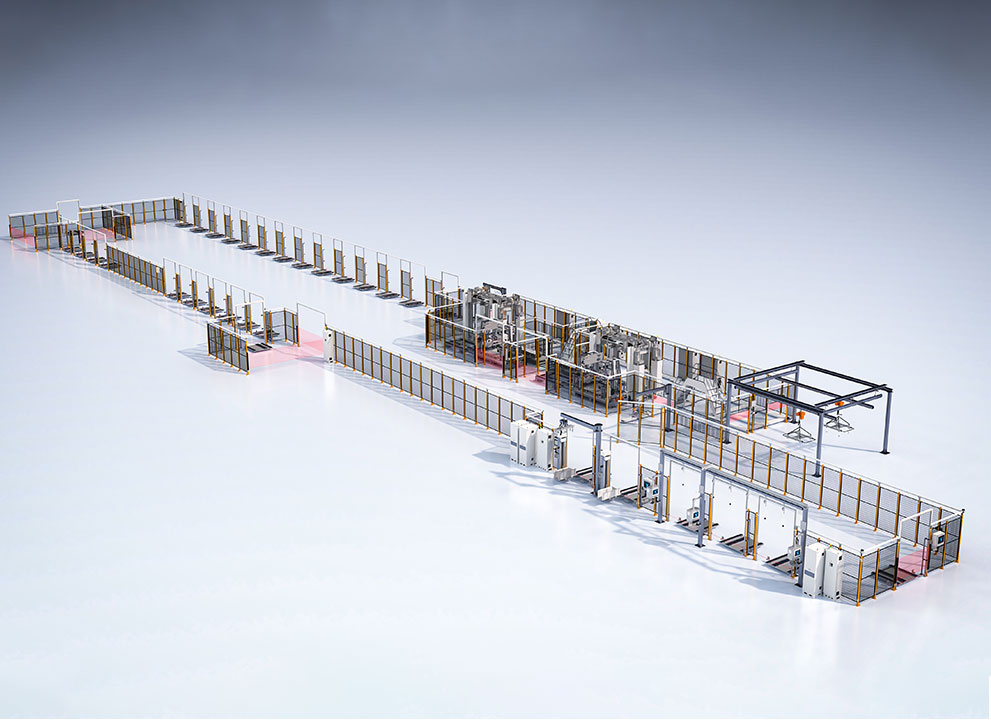
Common cost traps — mistakes that bite hard
– Buying to price, not to spec. Cheap gear with missing tolerances forces rework later.
– Skipping a pilot run. If you don’t test with real operators and parts, you’ll learn at full scale — that’s expensive.
– Over-automation: automating a poor layout or a low-volume step wastes capital.
– No spares plan. A single custom sensor down for two weeks kills throughput.
Vendor selection — practical filters
Don’t shop brand names. Filter by what actually keeps your line running:- Local service footprint and response SLA.
– Spare parts lead times and stocking options.
– Training programs: who will teach your techs to fix it day one?
– Openness: control system access, data export, and documentation.
– References with lines similar to yours; ask for performance numbers, not praise.
Tooling and tech to prioritize for battery lines
Cells and packs need special care. Prioritize:- Precise placement and clamping with force control to avoid cell damage.
– End-of-line electrical tests and leak checks that log signatures per unit.
– Formation and thermal systems that record profiles for traceability.
– Inline vision for weld and label inspection with immediate reject and trace.
– Safety systems integrated into the control layer so e-stops and interlocks don’t bypass data capture.
Pilot-to-scale roadmap
Follow these steps and skip the guesswork:- Pilot on a small lane with real parts and operators.
– Run acceptance tests: throughput, yield, and recovery from injected faults.
– Lock down spare parts and a maintenance plan before full roll-out.
– Train your first-line techs until they can swap modules blindfolded — then document the steps.
– Monitor for 30 days and refine with real KPIs: uptime, first-pass yield, and mean time to repair.
Practical checklist before you sign
– Get cycle-time proof on your parts.
– Require a spare-parts list with lead times.
– Insist on open data and integration points.
– Schedule a pilot with your operators.
– Agree service SLAs and escalation paths in writing.
Why this approach works — real-world grounding
I’ve edited shop-floor guides and worked alongside technicians and front-end engineers long enough to know promises don’t run your line — tested design does. When teams copy what worked at a place like the Nevada Gigafactory, they take systems that were proven at scale and adapt them to their own flow instead of chasing shiny features. Stick to tests you can repeat and metrics you can count.
Wrap-up — simple, actionable, no fluff
Fix the real bottlenecks first: accurate cycle time, recoverable errors, and a spare-parts plan. Use pilots to prove concepts, demand open controls and data, and pick vendors who stand up locally. Do that and you cut downtime, save cash, and get predictable yields. For teams that want a partner who understands shop realities and technical detail, FHS fits naturally into the workflow without sounding like a sales pitch — it just helps the line run.