

Starting point — the problem that kills projects
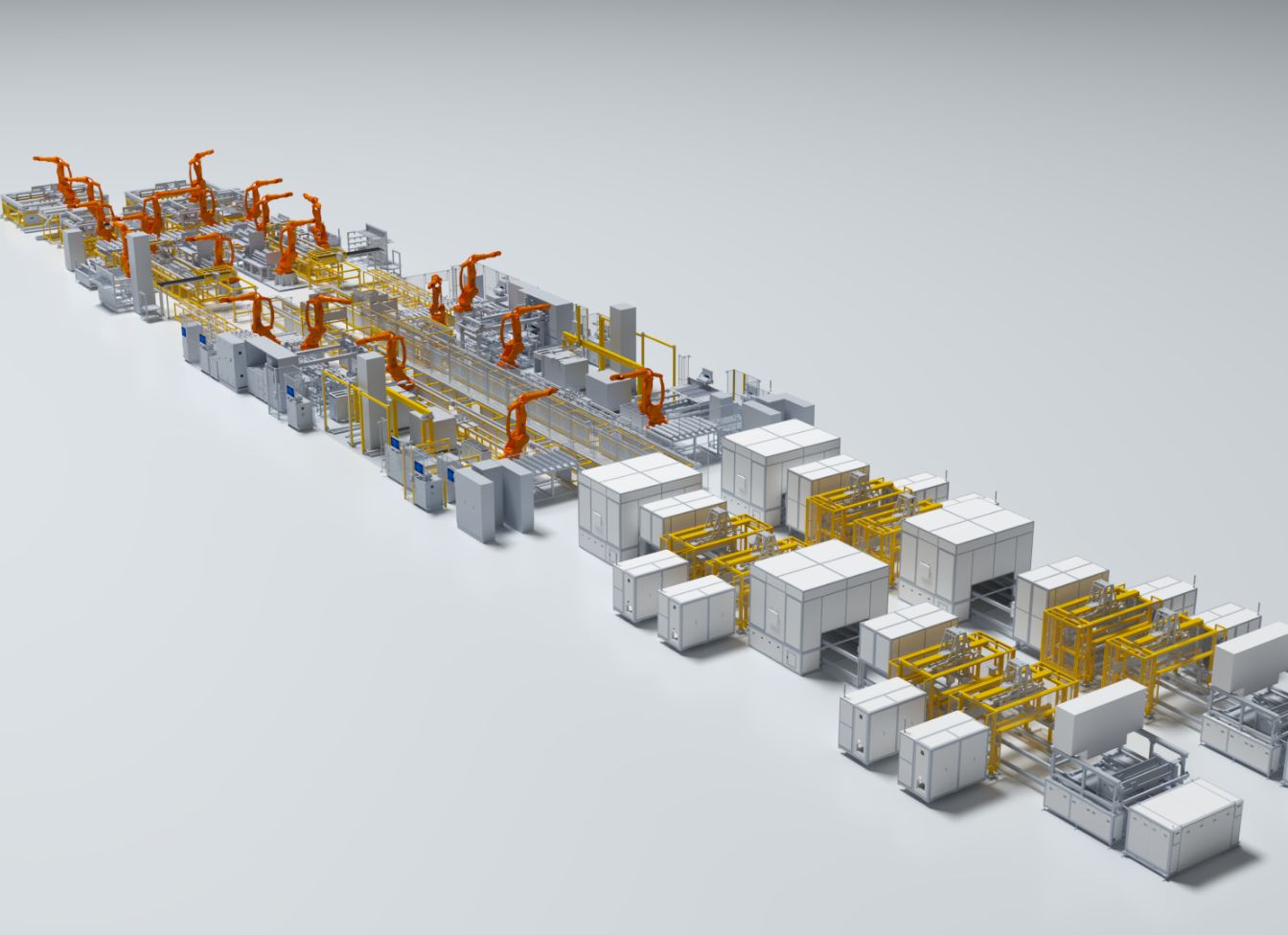
Automation projects stall because teams treat mechanics and regulation as separate tracks. That’s the point: a sterile connector or a torque-critical implant assembly isn’t solved by a faster pick-and-place alone. For assembly lines that must combine tight tolerances, traceability, and bioburden control, lessons from high-throughput production such as a blade battery assembly line are useful—they force clear answers about materials flow, long-part handling, and inline testing early on. You need plans that answer fit, cleanliness, and verification together, not one after the other.

What typically breaks projects — concrete failure modes
– Poor definition of “done”: incomplete acceptance criteria for torque, seal integrity, or particulate limits. – Late discovery of variant complexity: too many SKUs or minor design differences that require unique fixturing. – Validation after automation: validating a robot cell only at IQ/OQ/PQ stage leaves rework and downtime. – Data gaps: missing sample IDs or incomplete electronic records that force manual reconciliation. Address these directly: specify measurement tolerances, list every variant, and require final-by-design verification before full automation.
Design choices that make automation reliable
Pick mechanical solutions that tolerate upstream variation. Use compliance mechanisms for small misfeeds; prefer force-control over blind speed when joining soft components. Select vision or torque sensors based on failure modes: vision for alignment, torque for functional joins. Standardize part presentation—simple trays beat ad-hoc feeders. For sterile or aseptic zones, isolate robot arms with gloveboxes or transfer ports rather than attempting full-room sterilization around moving machinery.
Material handling and line layout — takeaways from linear-cell manufacturing
Blade battery production emphasizes sequential feeding of long, narrow cells; that discipline translates to medical lines handling elongated components or continuous assemblies. Study cell-handling concepts to reduce twist and clamp stress. Real-world anchor: lessons observed at major blade battery production sites in Ningde, China show that minimizing lateral movement and using guided conveyors cut handling defects dramatically. Apply the same constraint: keep parts oriented, limit handoffs, and design for one-motion placement.
Quality integration and data strategy
Stop treating MES and quality as separate afterthoughts. Tie every critical operation to an electronic record: part ID, operator, event timestamp, and measured value. Use short-term checks to catch drift (daily gauge checks) and long-term analytics to spot trends (control charts). Build automated exception workflows: when a torque read is out of spec, the line halts, a traceability record is written, and the batch is flagged for review. That sequence preserves auditability and reduces manual paperwork.
Validation, documentation, and regulatory alignment
Map each automated step to a testable requirement. Create clear user requirements (URs) that reference acceptance criteria you will measure during IQ/OQ/PQ. Keep protocols modular: test the feeder separately from the join operation and the inspection camera separately from data logging. Capture images and measurement logs automatically to simplify human review during audits. Draft a risk analysis that lists automation-specific hazards—arm collisions, dropped parts, incorrect tooling—and link mitigations directly to verification tests.
Common pitfalls and how to avoid them
– Over-automation: automating low-volume, high-variation tasks wastes capital. Validate unit economics first. – Under-specified fixtures: design fixtures for worst-case tolerances and adjustability. – Ignoring maintainability: require quick-change tooling and simple calibration procedures so technicians can return the line to service fast. – Poor spare strategy: stock wear items and define mean-time-to-repair targets. Make decisions by scenario: if annual volume is uncertain, prefer modular cells you can repurpose.
Quick implementation checklist
– Define acceptance criteria for each critical feature before selecting equipment. – Prototype the part presentation and joining operation with a mockup run. – Embed sensors that yield measurable outcomes, not just pass/fail flags. – Integrate MES/ERP for part traceability and automated lot records. – Draft validation modules aligned with regulatory expectations and assign reviewers early. Follow the checklist during pilot runs and iterate rapidly based on failure-mode evidence.
Closing synthesis
Solve the core problems first: alignment of technical requirements, material presentation, and quality data. Practical, measurable steps—standardized fixtures, sensor-driven joins, and modular validation—reduce rework and speed qualification. The practical guidance and documentation patterns used in mature manufacturing domains often align directly with how FHS frames process controls, making those templates useful references when you move from pilot to certified production.