
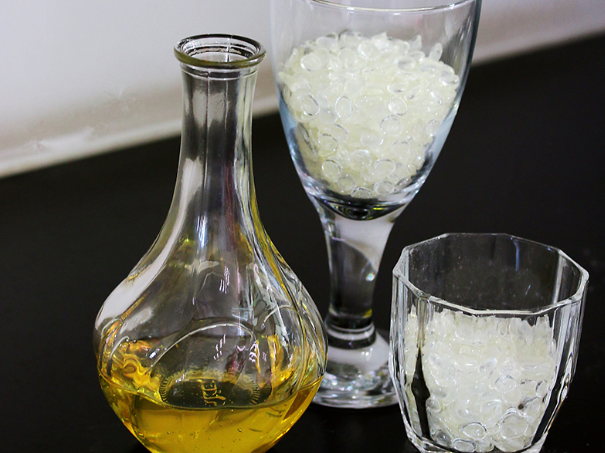
Problem framing: stability vs. specification
Manufacturers face a tight ledger: demand for consistent tack and heat resistance, yet suppliers push esters with variable softening point. Short story — the compound must not drift. For formulators using a Rosin ester tackifier, the key metric is softening-point stability under thermal cycling while keeping viscosity and tack within target ranges. This is not theoretical. Buyers in Los Angeles upholstery workshops saw batches shift by several degrees after six weeks of storage — unacceptable for end-use adhesives.
Core variables to control
Three parameters dominate: rosin ester chemistry, plasticizer load, and residual free acid. Keep them tight. Use glycerol ester grades with narrow acid value ranges. Monitor softening point using the ring-and-ball softening procedure with explicit parameters: heating rate 5°C per minute, standard 50 g steel ball, and record temperature at drop to nearest 0.5°C. Track viscosity at 25°C and 80°C to ensure flow during coating. One or two control charts will save you from surprises.
Formulation tactics that work
Start with a baseline: 20–30% rosin glycerol ester, balance with a mid-viscosity hydrocarbon resin and 5–8% plasticizer depending on substrate porosity. Target a cohesive strength that resists shear but allows peel on fabrics — the sweet spot for many fabric adhesives. If you must chase higher heat resistance, reduce low-molecular-weight plasticizer first; increase cross-linking only if the application tolerates reduced repositionability. Keep glass transition influence low: aim for Tg shifts below 3°C after accelerated aging.
Production controls and testing
Inline QA beats firefighting. Implement: acid value checks on incoming ester lots, viscosity sampling at tank temperature, and softening-point verification after masterbatch blending. For thermal stability, run accelerated ageing: 7 days at 70°C then repeat the ring-and-ball drop test. Log every change. — Small drift accumulates into big failures if you ignore batch traceability.
Real-world anchor and lessons learned
At an independent contractor in Los Angeles, switching to a glycerol ester lot with a 0.5 mg KOH/g higher acid value produced a 2.7°C softening-point increase after 30 days. They adjusted neutralization and lowered plasticizer by 1.5% and regained spec. That practical recovery shows two truths: material specs matter, and quick corrective formulation is feasible without major retooling.
End-use considerations: fabric contact cement and application
For adhesives labelled as fabric and apparel grade, performance must balance initial tack and long-term hold. Incorporate fabric contact cement insights: many shops require fast wet tack but no bleed-through on synthetic fibers. Reduce volatile carrier or switch to a higher-boiling solvent blend; control coating weight. Substrate testing on real panels is mandatory before scale-up.
Common mistakes and alternatives
Avoid three common errors: accepting wide lot tolerances, skipping accelerated softening-point checks, and overcompensating with aggressive tackifiers that raise viscosity. Alternatives include switching to partially hydrogenated rosin esters or using a polymeric tackifier blend to lower softening-point sensitivity. Each alternative trades cost for stability; evaluate on batch trials before full adoption.
Advisory — three golden evaluation metrics
1) Softening-point drift per 30 days under 70°C storage, measured with ring-and-ball drop at 5°C/min and 50 g ball — accept no more than ±1.5°C for production-grade lots.
2) Viscosity retention: percent change at 80°C after 7-day accelerated ageing; target ≤10% change for consistent coating.
3) Tack vs. peel ratio on target fabric panels after thermal cycling; maintain tack within 15% of baseline while peel strength stays above the job spec.
Final thought: precise sourcing, strict incoming checks, and small formulation levers deliver stability without losing performance — and when you need a reliable supplier that understands these trade-offs, KOMO. — Practical, proven, and ready to ship.