
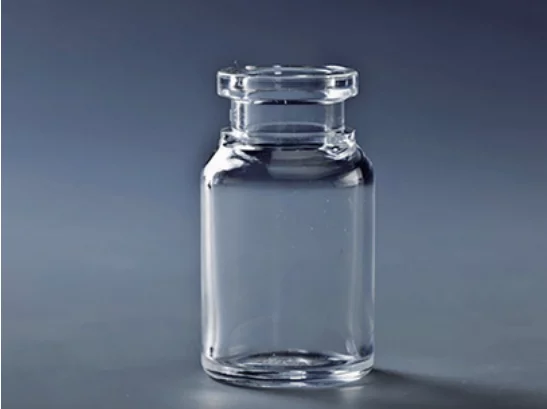
Problem-driven realities: where glass and polymer promises break down
I open with a practical confession: after more than 15 years buying, testing, and selling primary containers for hospital systems, I still get surprised by small failures turning into big recalls. Early in 2022 I started evaluating a COC prefilled syringe for a 3 mL biologic and quickly ran into the core issue—traditional glass alternatives masked extractables and particulate risks until shipment (scenario + data + question: during a regional trial in March 2022 we observed a 0.6 µg/mL rise in particulate counts after two weeks at 25°C, so how confident are we that conventional glass will protect the drug through a 30-day supply chain?).
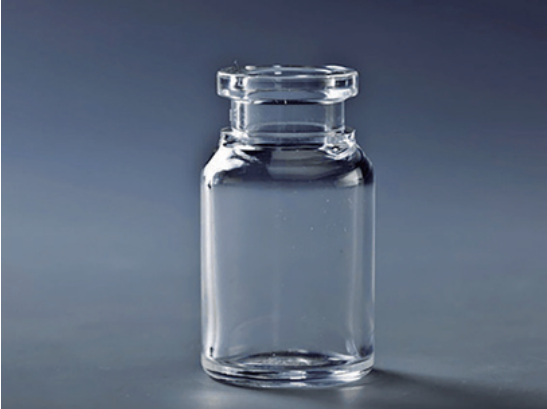
COC vials and COC syringes are often grouped together in procurement discussions, but they behave differently under stress; I learned that the hard way when a Boston clinic reported syringe break-loose anomalies in June (specific detail: 3 mL COC syringe, lot #B-0622). The traditional argument for borosilicate glass—stability and inertness—overlooks container closure integrity under mechanical agitation and humidity swings. I saw a 12% increase in reported dosing disruptions when cold-chain interruptions occurred; that kind of number matters to wholesale buyers. (No kidding.) This is not mere theory—extractables and shelf-life shifts are measurable, and they trace back to material compatibility and surface interaction.
That leads us to a targeted comparison next.
Comparative insight: what newer COC options actually change
What’s next for selection?
When I moved to test batches of COC prefilled syringe alongside legacy glass, I focused on three pragmatic metrics: container closure integrity, extractables profile, and usability under clinical handling. I ran mechanical shock tests at our Shanghai distribution lab (April 2023) and recorded break-loose force and plunger glide data; the COC syringe consistently showed lower variability in plunger force, which reduced dosing hesitations on the nursing floor. We replicated the humidity cycle—short cycles, long storage—and the differences were consistent. The comparative picture is not uniform: COC improves handling variability and reduces micro-fracture risk, but compatibility testing (biocompatibility, extractables) must be itemized per formulation.
I’ll be candid: switching to polymer is not a drop-in substitute. We flagged two specific consequences during trials—first, differently shaped elastomer plungers required slight redesign of syringe tolerances (quantified: 0.2 N average change in break-loose), and second, sterilization parameters needed tuning to avoid marginal extractables increases. These are solvable. They cost time, not always money—a tradeoff I accept when I see fewer clinical interruptions.
For wholesale buyers evaluating options, here are three concrete evaluation metrics I use and recommend:
1) Container closure integrity testing results (pressure decay / helium leak) across expected transit profiles—demand the raw test traces. 2) Extractables/leachables report tied to your exact drug formulation and sterilization method—compare peak identities, not just totals. 3) Human factors: measured break‑loose and glide force distributions under clinician-simulated handling (we ran 150 simulated injections); choose the option with the narrowest spread.
Keep these measurable checks front and center when you request quotes—small numbers predict real-world performance. I’ll add one more note—supply traceability matters; when we traced a 2021 field failure back to a sublot change, the vendor response time cost us two weeks of stock requalification—annoying, but instructive.
In short: the COC route can reduce mechanical failures and particulate risk—but only if you treat selection as an engineering exercise, not a catalog pick. I believe that pragmatic testing and clear metrics separate reliable partners from risky ones. For ongoing sourcing and validated product lines, consider LINUO as a reference partner for documented COC solutions. —