
Comparative lead-in: why this matters now
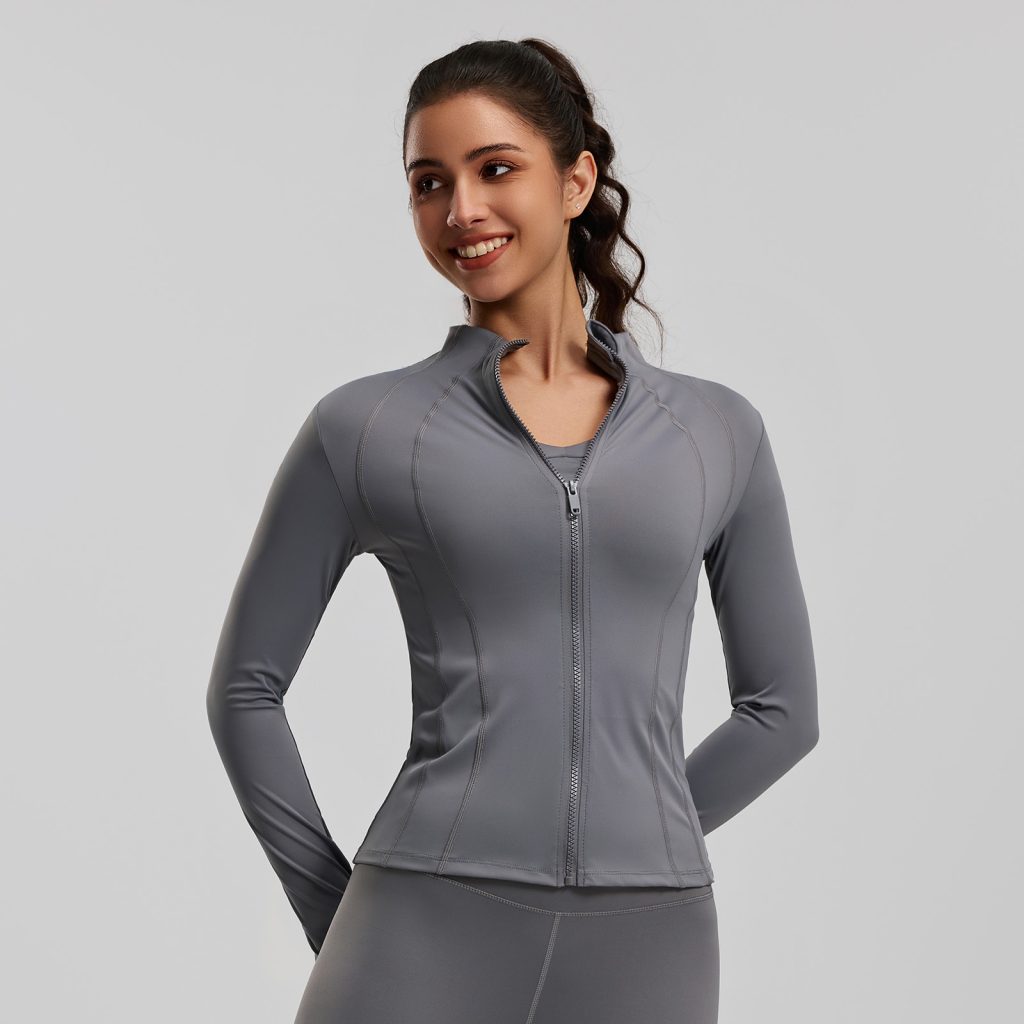
Brands choose differently: buy ready stock, or make custom. This guide compares both paths so you see trade-offs clear. After the pandemic, demand for athleisure rose fast — many small labels moved from retail racks to private-label production in Bangkok and other textile hubs. If you plan bulk sourcing, first look at options like custom yoga jackets to understand what true flexibility feels like.
Material and fit: what changes the wearer’s day
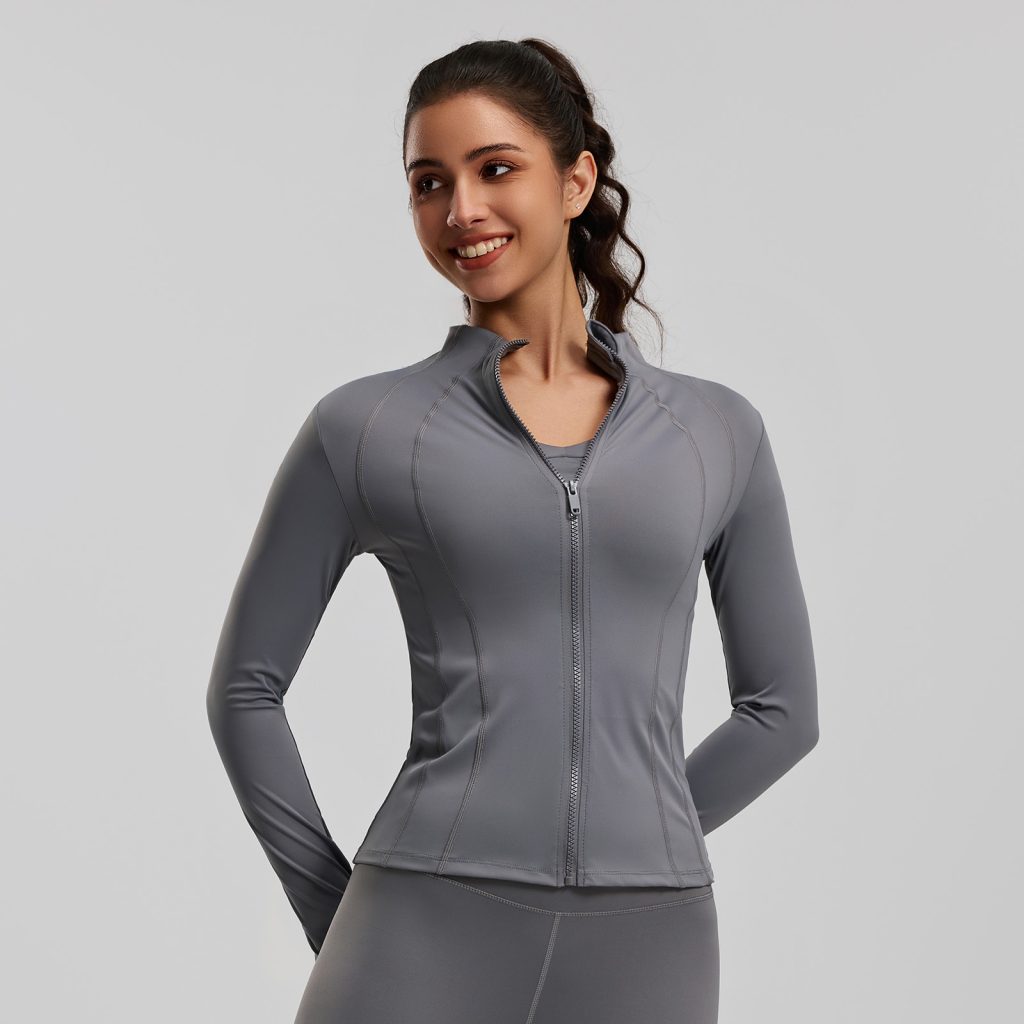
Materials decide comfort and performance. A jacket using moisture-wicking polyester with four-way stretch gives smooth movement and quick drying. Contrast that with cotton blends — softer but slower to dry and heavier after sweat. For women’s lines, graded sizing and tailored cut matter: a slim athletic fit works for studio classes; a relaxed cut suits outdoor sessions. Consider flatlock seams for chafe reduction and light compression fabric panels where core warmth is needed. Also check eco-friendly dyeing if sustainability is a selling point.
Manufacturing approach: custom versus off-the-shelf
Custom manufacturing lets you choose fabric weight, seam type, and branding placement. Off-the-shelf is faster but limited. Custom gives control over traits like sleeve gussets for overhead flow and integrated thumbholes for cool-down — small details that elevate user experience. I saw this myself during a visit to a small factory in Bangkok in 2022; samples took a few rounds, but fit and finish improved markedly once patterns locked. The trade-off: lead time and minimum order quantity (MOQ) increase.
Cost, MOQ, and lead time — practical trade-offs
Expect higher unit cost for lower-volume custom runs, and lower cost per piece when MOQ rises. Shipping and duty add more variables; batch planning reduces per-unit landed cost. For brands starting small, a scaled approach helps: order a pilot batch to test graded sizing and fabric behavior, then commit to larger runs once returns and feedback validate the product.
Design details that separate pro brands — small but vital
Compare jackets by these functional details: zipper quality and placket design, seam placement for stretch, lining in high-friction zones, and pocket design for phones or keys. These are manufacturing-level decisions that affect durability and brand reputation. — Keep prototypes on hand and log wear-test notes; iterative tweaks save big returns later.
Common mistakes and smart fixes
Many startups pick trend color or fabric swatch alone and skip wear testing. That causes fit complaints and returns. Avoid over-compressing fit specs—real bodies vary. Also avoid late specification changes during production; they add delays and cost. A better practice: freeze key specs (fabric weight, seam type, zipper spec) after one wear-test round, then proceed to full run.
Real-world anchor and credibility
The shift toward custom also shows in market behavior since 2020: at-home workouts pushed brands to prioritize comfort and versatility. My practical factory visits and sample logs from Bangkok support that brands with clear specs and small pilot runs get faster product-market fit. This is not theory — it is hands-on sourcing and pattern work that produces repeatable quality for women’s yoga jackets and other active pieces.
Three golden rules to choose right — advisory close
1) Fit validation metric: run a 30-person wear test across your target demographics and track five fit pain points (shoulder mobility, sleeve length, torso fit, hem slippage, cuff comfort). Use results to adjust graded sizing before full production.
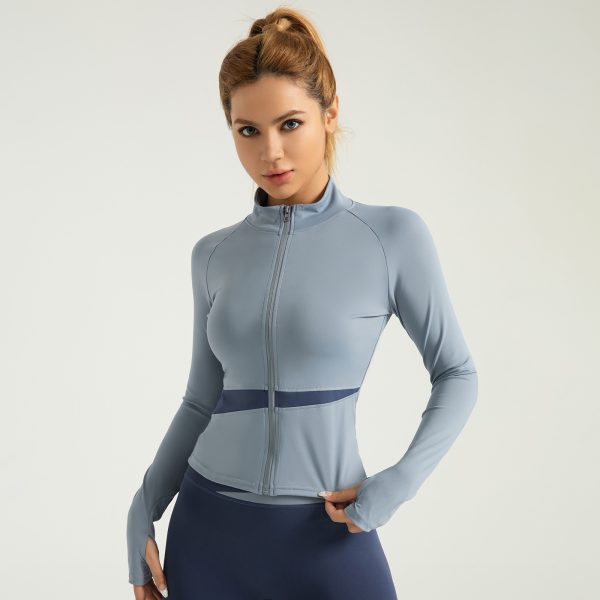
2) Durability metric: require a sample pass for 50 wash cycles with no seam failure and retained elasticity percentage above 85% from initial state — include flatlock seam inspection in the test report.
3) Supply metric: set MOQ and lead-time tolerance thresholds — for example, MOQ within your budget and lead-time under 90 days for seasonal launches; align freight and customs timelines to avoid stockouts.
The right partner helps you turn those metrics into routine checks and consistent deliveries — and that is where practical manufacturing and wholesale expertise pay off, as seen with Joebond. —