
Spot the problem first
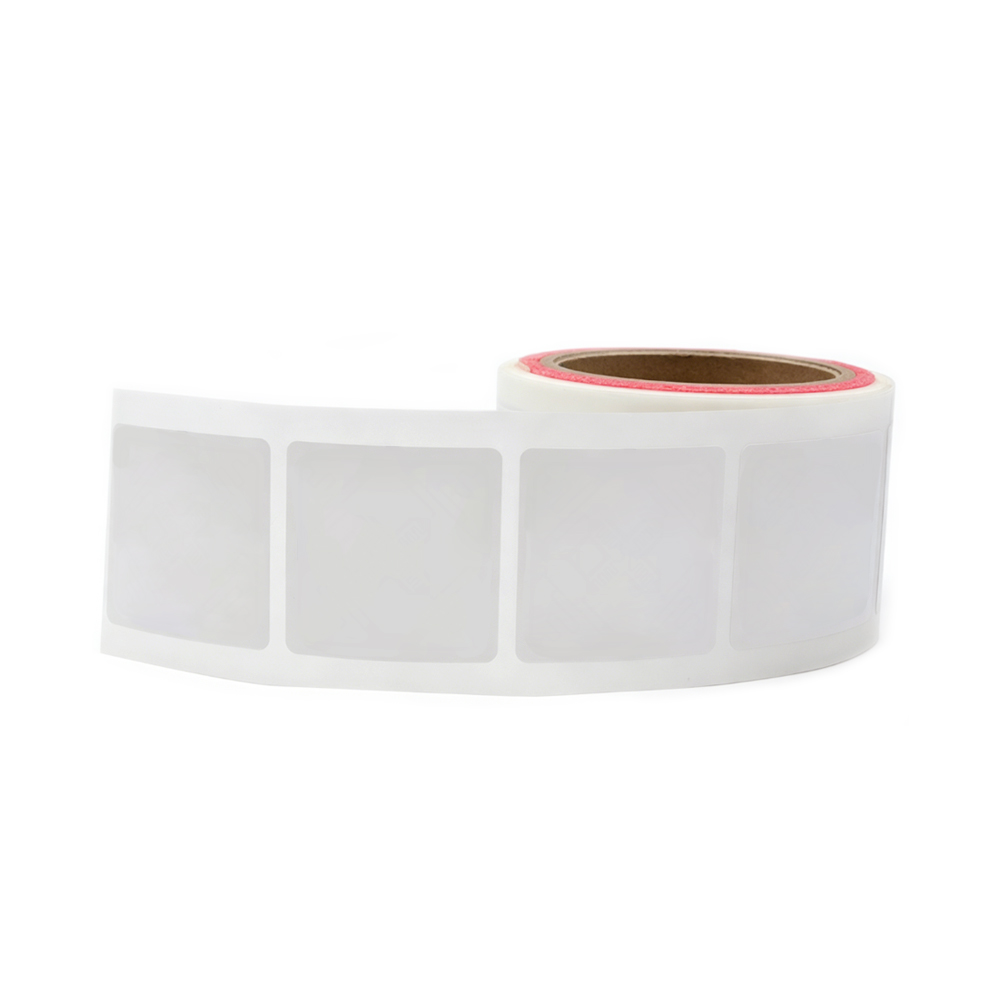
Buyers often expect active RFID tags to just work, then find read gaps, dead batteries, or unpredictable behavior on the floor. Start by treating these as solvable problems: inconsistent read range, battery degradation, protocol mismatch, and environmental stress are the usual suspects. If you’re sizing tags for pallets, handheld scans, or long-range tracking, check sample packs and label types early—brands often list options under RFID Labels, which can hint at form-factor and mounting choices before you commit.
Define the real requirement
Decide the exact question you need an answer to. Do you need continuous heartbeat reporting, motion wake, or simply long read range? Set measurable criteria: minimum read distance, reporting interval, battery life, and environmental ratings (IP and operating temperature). Write those numbers down; they become your acceptance test and stop vendors from offering vague promises.
Lab checks you can run right away
Take three controlled tests before any field rollout. 1) Read-range sweep: measure maximum consistent reads with your intended reader and antenna in a signal-controlled space. 2) Battery endurance: run tags at your planned reporting interval until the battery drops below spec or fails. 3) Interference test: place tags near metal, liquids, and common RF sources. Record failures and build a simple pass/fail scorecard that mirrors your operation.
Field trials that reveal real problems
Short lab tests miss practical faults. Run a week-long pilot on an actual workflow: loading docks, forklifts, and delivery trucks. Watch for dropped packets during movement, tags that mis-report position, or those that confuse nearby tags. Use multiple readers and antenna angles to mimic real coverage. Collect logs and compare to your acceptance criteria; if a tag fails more than one critical metric, send it back.
Common pitfalls and how to avoid them
Buyers repeatedly miss a few simple things. Don’t trust manufacturer range numbers without your reader and antenna. Avoid buying the cheapest tag thinking you’ll replace failures later—the logistics cost is higher. Expect battery capacity to fall faster in cold storage and high-frequency reporting. Finally, ignore shiny features you don’t need; added sensors and long-life modes often increase cost without solving core reliability problems.
When passive, semi-passive, or active is the right call
Active tags give range and frequent updates; passive tags suit short-range inventory reads; semi-passive (battery-assisted) sits between. Choose active when you need tracking across large yards or where continuous location is essential. Pick passive for item-level retail. If you need intermittent wake-on-motion reporting with longer battery life, test semi-passive units against your use-case and score them the same way as actives.
Trust signals: what to verify with suppliers
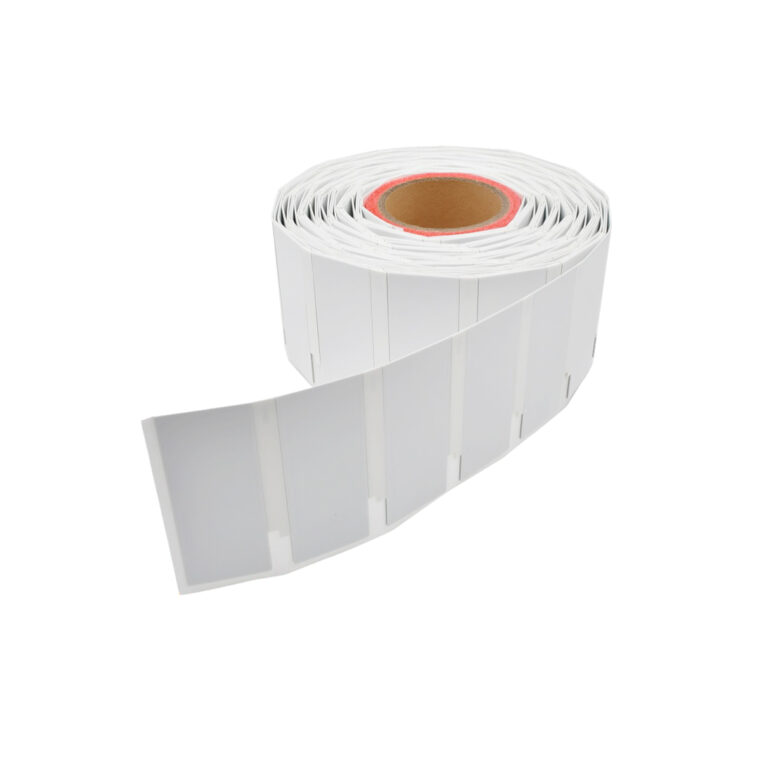
Ask for real test data, warranty terms, and failure rates from similar deployments. Look for third-party compliance with frequency and protocol standards and clear replacement policies. I’ve audited cold-chain and warehouse pilots where tags behaved differently on metal racks versus wooden pallets; firms that publish field-test summaries and offer clear return windows usually perform better. Major retail rollouts like Walmart’s RFID initiatives also show how label choice affects supply-chain outcomes, so compare vendor claims against those documented industry lessons and inspect sample rfid chip labels as part of your verification.
Final guidance you can act on
Keep tests simple, insist on measurable pass/fail criteria, and pilot in real conditions. Don’t let marketing replace data: verified read-range numbers, battery endurance at your reporting rate, and documented field failures matter more than glossy brochures. When the choice narrows to suppliers who share transparent test results and stand behind their product, you’ll have the consistent performance you need—and that pragmatic approach is why many teams trust RSTC resources when matching tag types to operational reality.