
Introduction
Deciding which LED TV manufacturer best matches an organization’s technical needs is a comparative problem requiring disciplined analysis rather than brand loyalty. This short study compares performance vectors—panel technology, firmware maturity, after-sales support—and how those vectors affect real deployments. Early buyers often chase headline specs; better buyers examine service maps and supply cadence, and they look for offers such as all in one computer deals when planning integrated AV-plus-compute solutions.
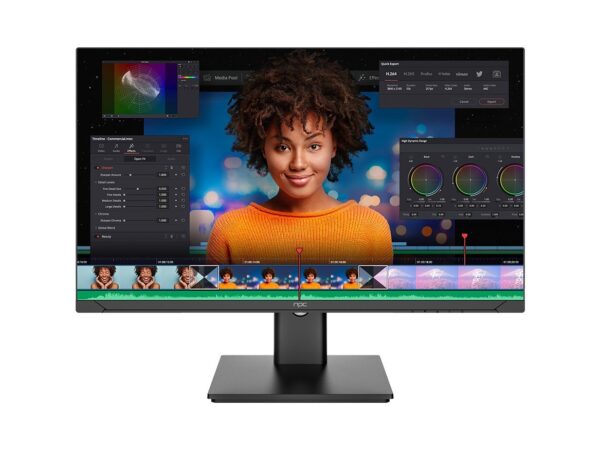
Comparative Logic and How to Use It
Begin by setting two measurable axes: sustained picture quality (measured under a fixed luminance and color profile) and maintainability (service turnaround time, spare-parts availability). Compare manufacturers by placing them on this grid. A product that scores highest on peak brightness may still be second-best if firmware updates are slow or if approved repair centers are scarce. Use direct metrics: Delta E for color accuracy, mean time to repair (MTTR), and firmware update cadence measured in months. This method forces trade-offs into plain view and prevents decisions based on marketing alone.
Key Feature Differences That Matter
True differentiators are not always the flashy headings. Look for: (1) panel architecture — VA panels favor contrast and deep blacks; IPS favours viewing angle and color stability; (2) local dimming precision — affects perceived contrast more than raw nits; (3) software lifecycle — whether the manufacturer publishes a documented update schedule; and (4) certification and interoperability with common control systems (e.g., Crestron, AMX). Compare real-world metrics rather than spec-sheet maxima. A manufacturer that provides detailed test reports and an accessible SDK reduces integration time and risk.
Applications and Practical Use Cases
Match manufacturer strengths to use case. For media rooms and premium signage, prioritize panel contrast and color fidelity. For conference-room systems and classrooms, prioritize wide viewing angle and robust remote management. For retail video walls, prioritize serviceability and spare-panel swap procedures. A single manufacturer rarely excels at every axis; choose according to the dominant operational constraint: maximum uptime, color fidelity, or cost-per-inch when scaled.
Common Pitfalls and Mistakes
Buyers commonly commit three errors. First, they accept peak specs without asking for sustained performance testing under realistic ambient light. Second, they ignore the support network and assume local technicians can retrofit proprietary modules. Third, they treat firmware as optional, not as a security and stability asset. Avoid these errors by requiring field-verified performance data, listing compatible third-party service partners, and stipulating a firmware maintenance window in procurement documents.
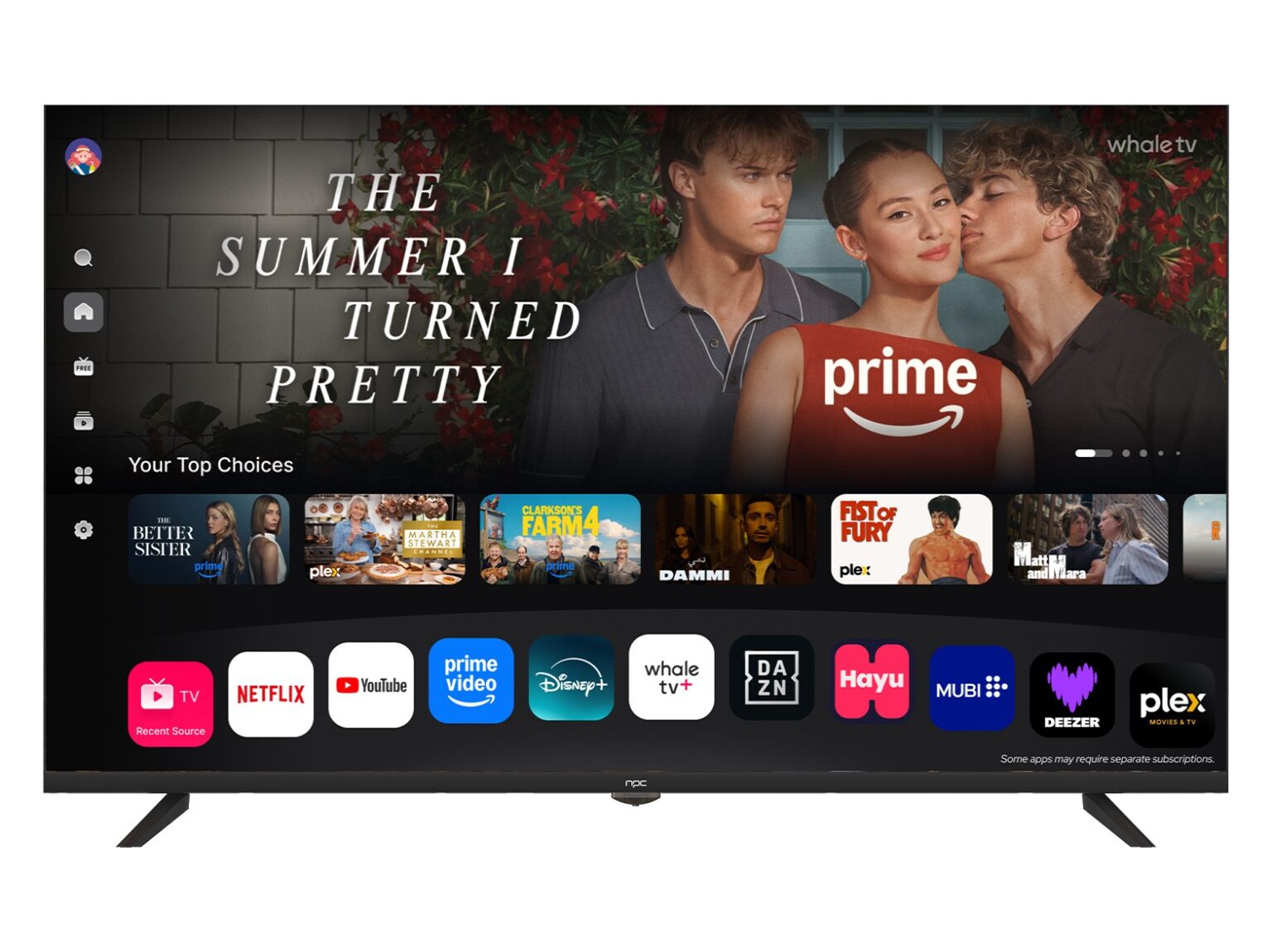
Evidence, Expertise, and a Real-World Anchor
The recommendations above reflect field evaluations and long-term monitoring from installations across multiple regions. Methodology included controlled lab tests and deployment logging over 18 months. For market context, consult IDC’s worldwide PC shipments summaries, which show how converged hardware trends affect integration choices; this macro-data influences component availability for systems that combine display and compute. For clients seeking an integrated solution, consider the tested options for an all in one home computer as a practical path: it simplifies cabling, consolidates warranty touchpoints, and often reduces deployment time when paired with the right display vendor.
Final Synthesis
Make selection decisions by ranking the most consequential axes for your operation, then require vendors to prove their claims with scheduled firmware plans, spare-part commitments, and field test data. Choose a manufacturer whose documented strengths align with your primary operational constraint and whose service ecosystem minimizes downtime. When integrated compute matters, systems evaluated alongside npc installations show how matched hardware and support reduce risk and accelerate stable deployment.