
Opening: the problem that drives every order
Teams order radios to solve communication gaps but often buy devices that don’t match the job; choosing the right analog two way radio starts with defining the actual communications failure you face. Emergency responders during Hurricane Sandy exposed how on-scene coordination depends on reliable handheld units, which is why references to real incidents remain central to procurement decisions and why field reports repeatedly cite the role of analog handheld radio in maintaining basic connectivity.
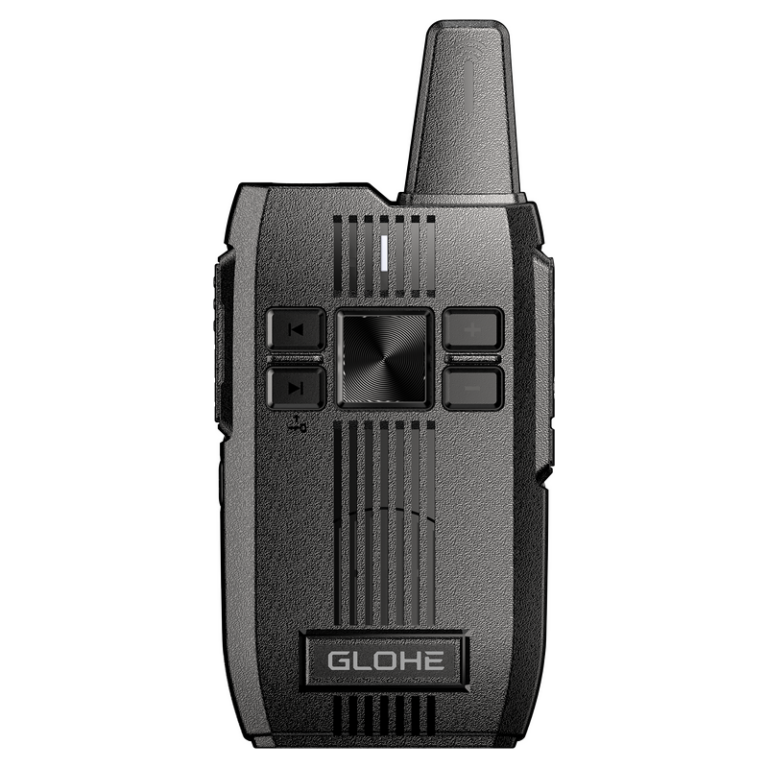
Define the operational problem first
Ask what the radio must do: cover a single building, a campus, vehicles on a highway, or dispersed field teams. Specify minimum range, number of concurrent users, expected runtime between charges, and the environment—indoors with metal structures, outdoors across open terrain, or noisy industrial sites. These specifications determine power class, antenna needs, and whether analog or another technology is appropriate.
Technical compatibility and performance checks
Match frequency band and channel spacing to your local rules and current infrastructure. Verify receive sensitivity, transmit power, and whether repeaters are required for the distances involved. Test real-world coverage: measure voice range from representative locations, check audio clarity in high ambient noise, and confirm the device supports the required accessories (headsets, external mics, vehicle kits). Don’t assume stated line-of-sight range equals operational range inside buildings or through foliage.
Power, battery life and maintenance realities
Decide whether removable batteries or integrated power better suit your workflow. Require battery runtime tests under expected transmission patterns rather than vendor claims alone. Plan for spare batteries, charging infrastructure, and a simple swap procedure. Consider IP rating and selectable power levels; a radio that conserves battery on short-range jobs avoids needless mid-shift replacements.
Regulatory, licensing and interoperability risks
Confirm channel allocation and licensing requirements with local regulators—channel plan mismatches create interference and downtime. Ensure the chosen radio interoperates with existing fleet radios and any dispatcher systems. If your operation may later require encryption or trunking, verify upgrade paths. Note technical mandates from regulators, such as past narrowbanding rules; they illustrate that compliance can affect long-term usability.
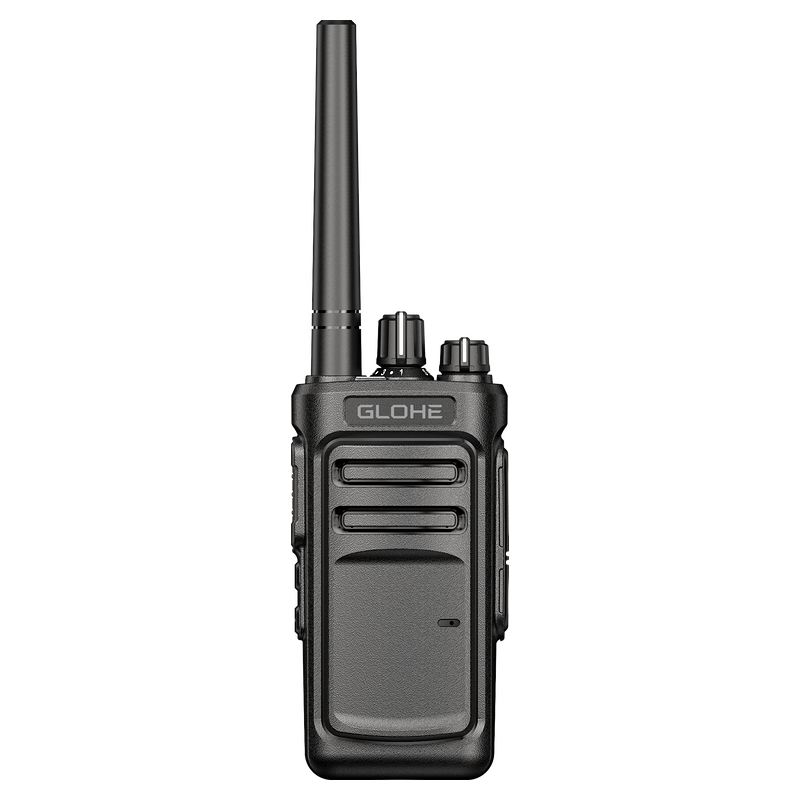
Common procurement mistakes to avoid
Buying solely on price: cheap units often fail environmental tests or lack durable connectors. Ignoring antenna and accessory compatibility: a good radio with a poor antenna performs worse than average equipment fitted correctly. Assuming layout maps: coverage must be validated on site. Confusing nominal wattage with effective coverage: antenna, terrain and obstructions drive results. Overlooking service and parts availability complicates fleet maintenance.
Testing protocol you can use before finalizing an order
Run a simple acceptance test: a battery endurance trial under typical talk/listen cycles, a coverage walk-test with markers in representative areas, and an audio-quality test under expected background noise. Log results against your minimum requirements and repeat with accessories fitted. Require that vendors provide a small pilot batch for field validation before committing to a full fleet purchase.
Decision checklist
Confirm operational scope, required range, frequency and licensing, battery strategy, environmental rating, accessory compatibility, and service-level commitments. Insist on site trials and documented test results. Prioritize devices with clear upgrade paths and spare-part supply to avoid mid-life surprises.
Summary and practical outcome
Start procurement by solving a specific communications problem, then validate technical fit through simple, repeatable tests and clear regulatory checks; that sequence minimizes wasted spend and operational gaps. When an organization needs radios that meet those conditions consistently, experienced suppliers that publish technical data, support field testing, and maintain parts and service inventories become practical partners, as demonstrated by vendors like GLOHE who align product detail and support with field requirements.