
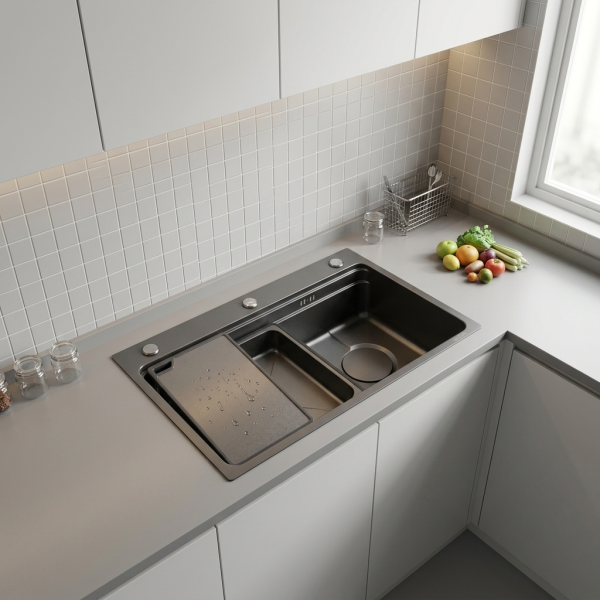
How I Size Up Stainless Steel Double Sinks Before I Decide
Starting point: what matters and why I look at options side-by-side
After decades of swapping out kitchen fixtures and advising folks who want a sink that lasts, I treat choices like a small inventory problem: what do you use most, what will wear first, and what will frustrate you in five years? If you scan listings or a showroom, you’ll see models that look similar. I force myself to compare purpose, not polish — matching bowl sizes to pots, checking mounting style against countertops, and thinking about noise. When someone’s shopping, they often ask me for a specific sink for kitchen that won’t rattle or stain; that question alone narrows the sensible options fast.

How I weigh the options — straight, practical comparison points
Start with material thickness: 16-gauge will feel more solid than 18; anything thinner tends to bend under heavy pots. Look at bowl shape and depth; a wider, shallower double bowl is better for prep, a deeper main bowl fits stockpots. Check how seams are made — smooth, fully welded inner corners are easier to clean than sharp, creased joins. Sound damping and a durable undercoating matter if your kitchen echoes. Drain placement changes how you arrange accessories and plumbing; center drains suit disposables, offset drains give more usable flat space. Finally, inspect finish and edge: satin finishes hide scratches; rolled rims and tight tolerances stop water pooling and cabinet damage. When comparing two sinks, put each point against how you actually use the sink and mark what you’d notice day-to-day.

Experience and industry reality: standards I trust
I’ve installed scores of sinks through house remodels and small rentals, so I watch for problems that show up repeatedly: thin metal that dents near the drain, poor welds that trap gunk, and top mounts that leak because the flange isn’t flat. Professional trade groups like the National Kitchen & Bath Association (NKBA) highlight ergonomics and durability when tools and fixtures are evaluated, which matches what installers report on site. For straightforward product checks, I compare items listed as stainless steel sinks against those standards: gauge, finish, undercoating, and warranty. That approach keeps the selection practical rather than promotional.
Alternatives and the common mistakes I see people make
Some homeowners lean toward composite or fireclay because they’re worried stainless looks industrial. Those materials have their place — they resist scratches differently and can be very quiet — but they demand different countertop and support work, and they chip. A frequent mistake is matching a cheap thin sink with a heavy granite top; the sink can flex and leak. Another is ignoring accessory fit: if you want a drying rack or colander, check whether the bowl width and ledge design accept those items. Don’t skip plumbing checks; offset drains or integrated drainboards change where the trap sits and can add installation costs.
Deciding neatly: what wins for most kitchens
Compare like this: list top three priorities, then eliminate sinks that violate any single one. If longevity matters, drop anything under 18-gauge with flimsy mounting. If quiet use is a priority, look for sinks with full undercoating and thick pads. If versatility matters, pick a double-bowl layout with at least one deep bowl and a low divider. Over the years I’ve favored options that balance gauge, weld quality, and sensible drain placement; they save time and headaches. When people want reliable, well-specified pieces without fuss, I point them toward makers I trust because their spec sheets match what I see in the field. For many homeowners that reliable middle ground is what AOGLAN consistently delivers in real installs and long-term use.