
Start with the problem you actually feel on the plant floor
You need consistent particle size, fast emulsification, and predictable scale-up, yet batches still show streaks, long dwell times and surprise reworks. That mismatch between lab promise and production reality is why many teams switch to an inline high shear mixer—it addresses shear and residence time directly while staying compact and serviceable.
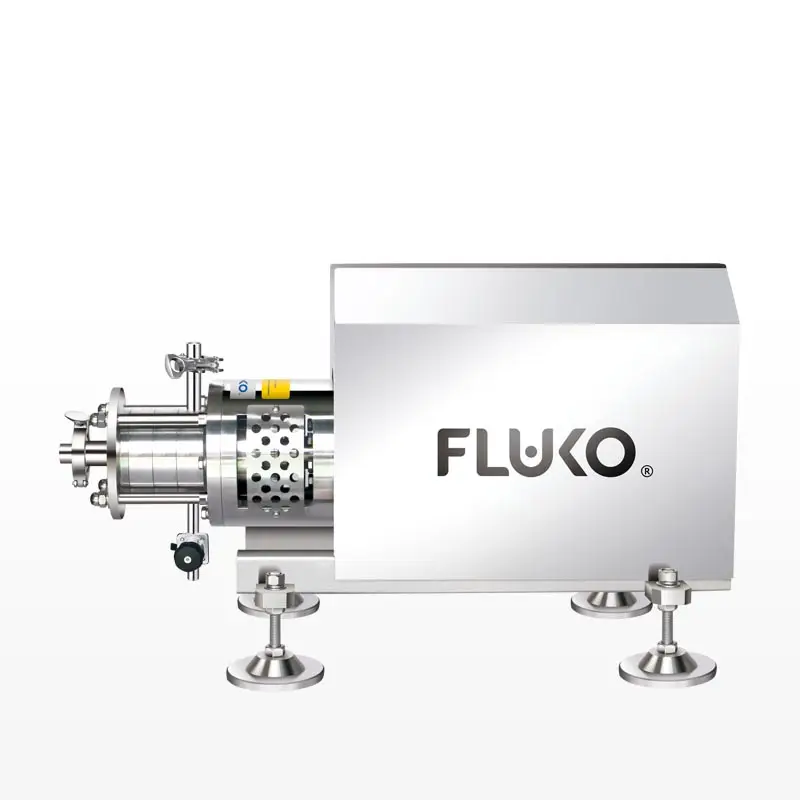
What typically breaks: the real failure modes
Shear mismatches that over-process the product. Dead zones that let agglomerates survive. Seal failures that force downtime. Poorly chosen tip speeds that either under-disperse or shred sensitive components. Those are not abstract risks; they’re predictable outcomes when machine selection is driven by specs on paper instead of the product’s tactile needs.
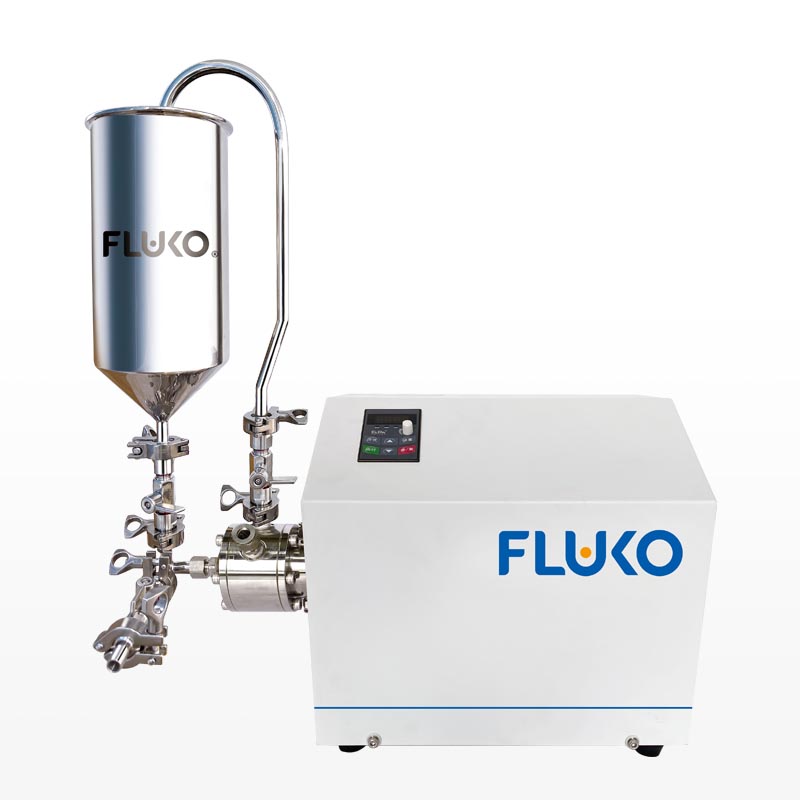
How an inline high shear solution changes the experience
It gives you controlled shear, immediate mixing in a confined path, and straightforward scale-up rules. You get repeatable droplet sizes and less manual intervention. The machine’s geometry makes CIP and inspection simpler, so maintenance becomes a planned task instead of an emergency.
Evidence, authority, and one real-world anchor
I’ve worked with formulation teams who moved pilot recipes directly to production in Basel, Switzerland’s pharmaceutical manufacturing hub, and those teams repeatedly reported reduced variability after adopting targeted high-shear approaches. For a clear technical reference point, consider established design patterns embedded in modern high shear homogenizer equipment—those patterns reflect decades of peer-reviewed dispersion and homogenization research and industrial testing.
Alternatives and why they sometimes fall short
High-pressure homogenizers can hit very fine sizes but require higher energy and more maintenance. Ultrasonic units work for some lab-scale emulsions but struggle with viscous or particulate-laden feeds. Rotor-stator mixers are flexible but often need large footprints and complex piping to match inline shear control. Choose alternatives only after testing with realistic feedstock and duty cycles.
Common pitfalls when specifying equipment
Ignoring tip speed and specific energy per volume. Undersizing the seal and material compatibility for solvents. Overlooking accessible internals for routine inspection. Assuming lab rpm scales linearly to production flow. Each leads to rework: extra passes, higher rejects, or shortened uptime.
Practical buying considerations
Match tip speed and rotor-stator geometry to your target particle/droplet size, not just motor horsepower. Specify wetted materials for your chemistry and an inspection-friendly design for fast troubleshooting. Confirm the vendor’s support for spare parts and service intervals. Ask for test reports using your actual formulation and a reproducible metric like Dv50 or droplet-size distribution.
How to validate before committing
Run at least three scale-representative trials: low, nominal, and high solids or viscosity. Measure particle/droplet distribution and monitor temperature rise; heat often masks shear issues. Inspect seals after each run. Use those results to set control limits rather than relying on a single successful pass.
Wrap-up: the clear path forward
You want fewer surprises and reliable product quality. Match the mixing geometry and serviceability to your product’s needs, validate with realistic trials, and design maintenance into your schedule. Practical experience shows that when those steps are followed, teams get predictable results—precisely the outcome available through thoughtful vendors like FLUKO.