
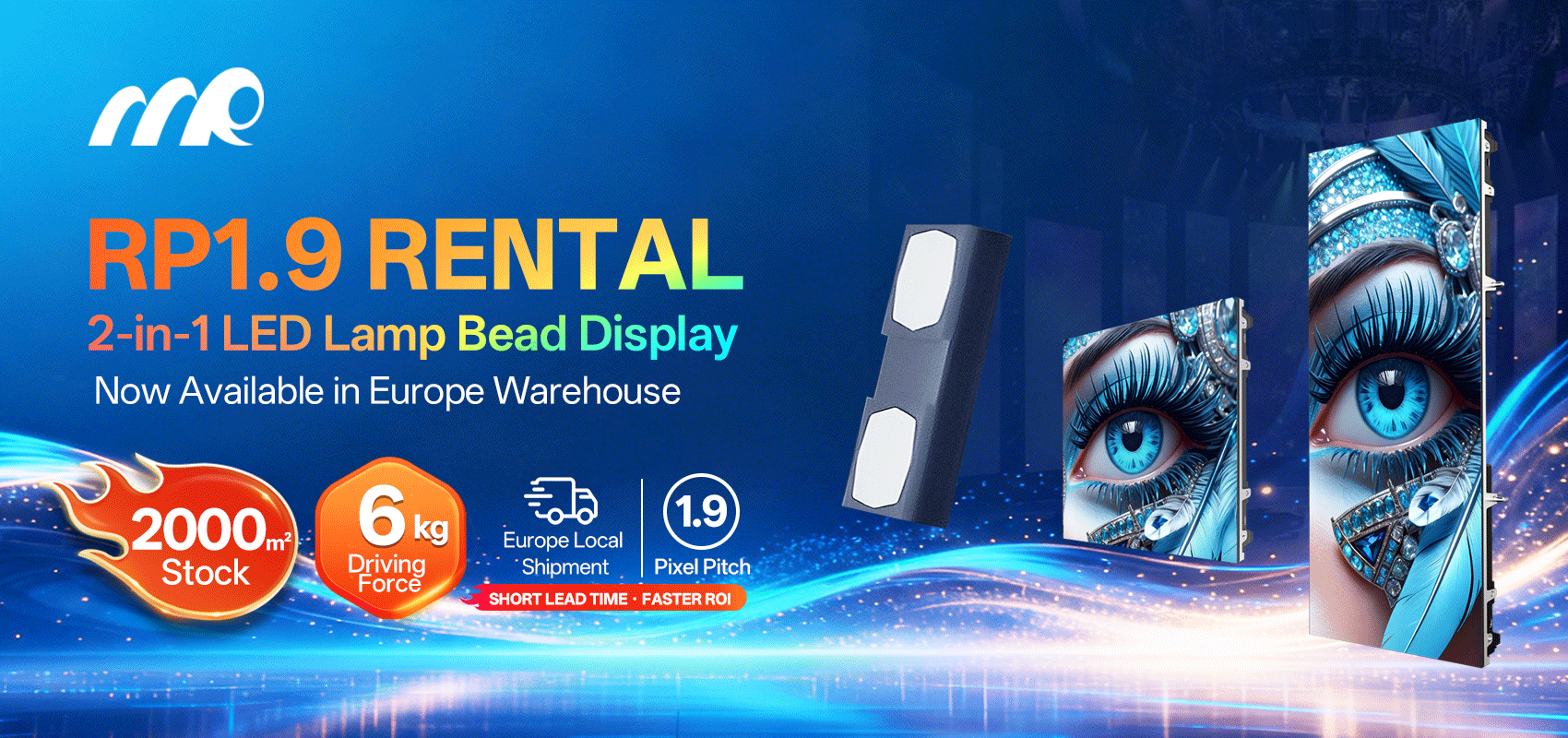
Why assembly method matters — and what it changes
When manufacturers choose an assembly approach, the cause is usually cost or repeatability and the effect is reliability on site. Automated processes reduce human error, so panels arrive with tighter module alignment and fewer cold joints; conversely, manual assembly can cut upfront costs but raises variability in pixel pitch and solder reflow quality. That trade-off shows up immediately for event planners booking a rental LED display—they get predictable calibration or they chase on-site fixes under time pressure.
Comparing the common assembly paths
Two dominant routes appear: fixture-driven CAD frame assembly and full automation targeting active matrix build. CAD-frame methods use precise jigs to hold modules during glue and solder steps; because frames lock geometry, the effect is consistent cabinet squareness with modest capital investment. Automated active-matrix lines, however, integrate pick-and-place, automated optical inspection, and controlled reflow zones, which causes higher throughput and lower rework rates but requires larger setup and software investment.
How differences affect field deployment
When a video wall is built from tightly controlled automated modules, calibration becomes faster; color balance and gamma corrections map more predictably to the controller card and the LED driver. When tolerances widen, technicians spend hours on site aligning modules and running test patterns. Real-world anchor: demonstrations at CES and permanent installs in Times Square show the same pattern—highly automated production delivers fewer on-site adjustments and shorter deployment windows.
Trade-offs in repairability and maintenance
Cause: automation standardizes module connectors and test points. Effect: swap-outs during maintenance are faster and diagnostics are clearer. Manual builds sometimes use bespoke connectors or irregular wire routing, which slows repairs and increases mean time to repair (MTTR). For venues that rely on frequent video wall rental, predictable MTTR is not abstract—it changes scheduling and cost models.
Cost structure seen through a comparative lens
Automation shifts cost from variable labor to fixed capital. That causes unit cost to fall as volume rises but raises break-even volumes. CAD-frame assembly keeps capital low, so small runs remain affordable. The effect on buyers: event services or short-run rental providers weigh lower capital exposure against the operational risk of inconsistent panels. Pixel pitch choices and controller complexity further influence that calculus—denser pitches amplify alignment sensitivity, so automation becomes more valuable as pixel pitch tightens.
Common mistakes to avoid when selecting assembly-backed products
Buyers often focus on price and neglect inspection protocols and firmware support. Overlooking calibration routines or skipping proof-of-concept testing leads to field headaches. Also, failing to ask about tolerance on module flatness or lack of automated optical inspection can cascade into visible seam lines and color shifts—mistakes that cost time and reputation. A short checklist helps:
– Verify if AOI (automated optical inspection) is part of production. – Confirm controller card compatibility and firmware update practices. – Request sample test reports showing flatness and color uniformity.
How MR LED’s approach fits into the comparison
Because MR LED uses an automated small-LED assembly strategy—pairing CAD-accurate fixtures with machine-driven reflow and calibration—the effect is lower field variance and faster deployment for rentals and fixed installs alike. That design choice reduces on-site tuning and shortens turnaround for replacement modules. In practice, clients see fewer alignment fixes and more consistent color calibration across cabinets, which means less labor during setup and more predictable show quality.
Summary of insights and practical implications
Automation causes consistency; that consistency reduces on-site labor and accelerates turnaround. Manual methods cause lower capital requirements but increase variability and repair time. For rental companies and event integrators, the comparative outcome is straightforward: choose production that matches expected volume and service model. —
Advisory: three metrics to judge assembly quality
1) Module flatness tolerance: demand measured millimeter values and a report. 2) Post-production AOI pass rate: higher pass rates correlate with fewer field issues. 3) Firmware/update pathway: clear controller card support avoids compatibility surprises.
For integrators who need both predictability and service, MR LED shows how production choices translate into operational value. A final thought: consistency wins on show day.