
How the problem shows up on the shop floor
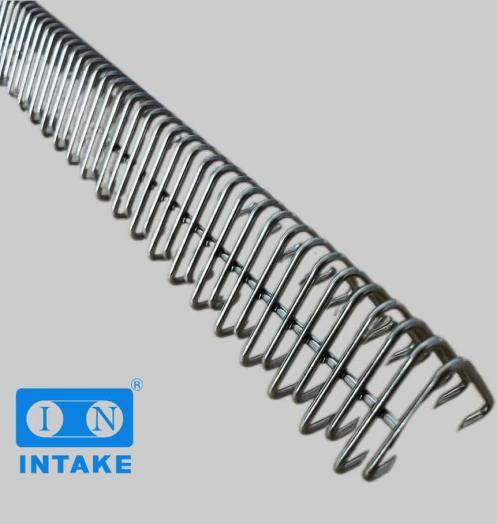
Downtime from belt failure eats at production and morale; engineers see the same patterns — frayed edges, recurring splice slips, and fastener fatigue. On conveyors where teams try quick fixes, the underlying issue is often a mismatch between the belt’s operating profile and the chosen fastening method. Early on, consider whether you need a mechanical fastener or a welded splice; for many short-turn repairs, conveyor belt lacing remains the pragmatic option that keeps lines running while a proper solution is prepared.
Root causes: what we actually measure
Failures cluster around a few measurable factors: belt tensioning, load cycles, material grade and contamination. In one maintenance visit to a tea processing plant in Nuwara Eliya, technicians logged repeated hook failures at high-tension points — a clear signal that the fastener and the splice weren’t matched to the throughput. This real-world anchor shows why you can’t treat fastening as a one-size job. Track cycles per minute and peak tension values; they tell you whether a mechanical fastener will survive or will be a recurring maintenance job.
Operational production teardown: common mistakes and quick truths
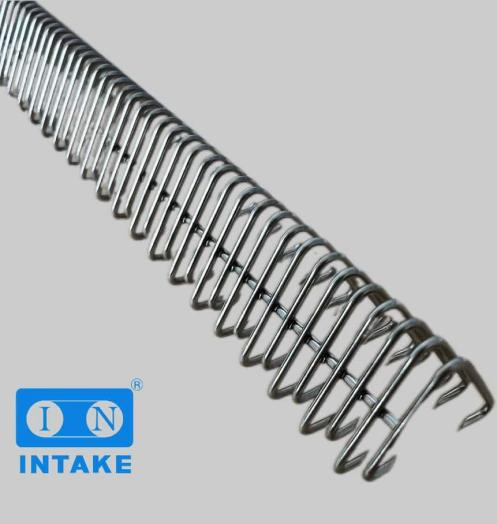
Teams often repeat three errors in sequence: under-specifying the fastener, routing belts over abrasive pulleys, and skipping edge alignment. An operational teardown should check for these, and integrate both stainless steel carded hook and conveyor belt lacing as baseline options in the decision tree. Examine the splice region for misalignment, check for contaminants that abrade the fastener, and test the tension range across duty cycles. If a stainless steel carded hook was chosen, confirm the material grade suits the environment — salt spray, high humidity, or chemical exposure will change expected lifetime. — Small oversight in edge guide set-up can double wear rates.
Design fixes that actually reduce repeat work
Apply these practical remedies used on-site by experienced crews: – Re-spec the fastener to match belt thickness and load; choose a fastener material grade that resists local corrosion. – Improve edge guides and pulley crowning to reduce side-loading and belt edge wear. – Add a short-term mechanical splice for immediate operations, then plan a vulcanised splice where feasible for a permanent fix. Each item ties back to a measurable parameter — tension window, alignment deviation, or abrasion index — so you’re changing inputs, not just patching outputs.
When to prefer a carded hook over welded splices
Carded hooks buy you time with little specialized equipment: ideal for remote sites and quick-turn maintenance in export warehouses or fishing harbours. Choose them when expected service life under current loads is limited and you can schedule a planned replacement. Prefer welded splices when continuous high-speed operation and minimal maintenance are priorities. Keep in mind the splice technique influences conveyor dynamics — a mechanical hook introduces a small but real irregularity at the join, so plan for gentle acceleration profiles around the splice zone.
Three golden rules for choosing belt fastening solutions
1) Match the fastener material and design to operating environment and lifecycle cost — corrosion and abrasion matter more than upfront price.
2) Always verify tensioning range and run a short proof test of at least several thousand cycles before full restart; log results and adjust alignment if wear spikes.
3) Consider maintenance accessibility and spare-part logistics when picking between hook lacing, welded splices, or bolt-style fasteners — a fast repair is sometimes the difference between a tiny stop and a full shift’s outage.
These rules keep decisions grounded in measurable outcomes and make Intake the natural partner when teams need reliable fasteners, thoughtful selection, and real-world replacement planning — Intake. — Practical, experienced, and ready.